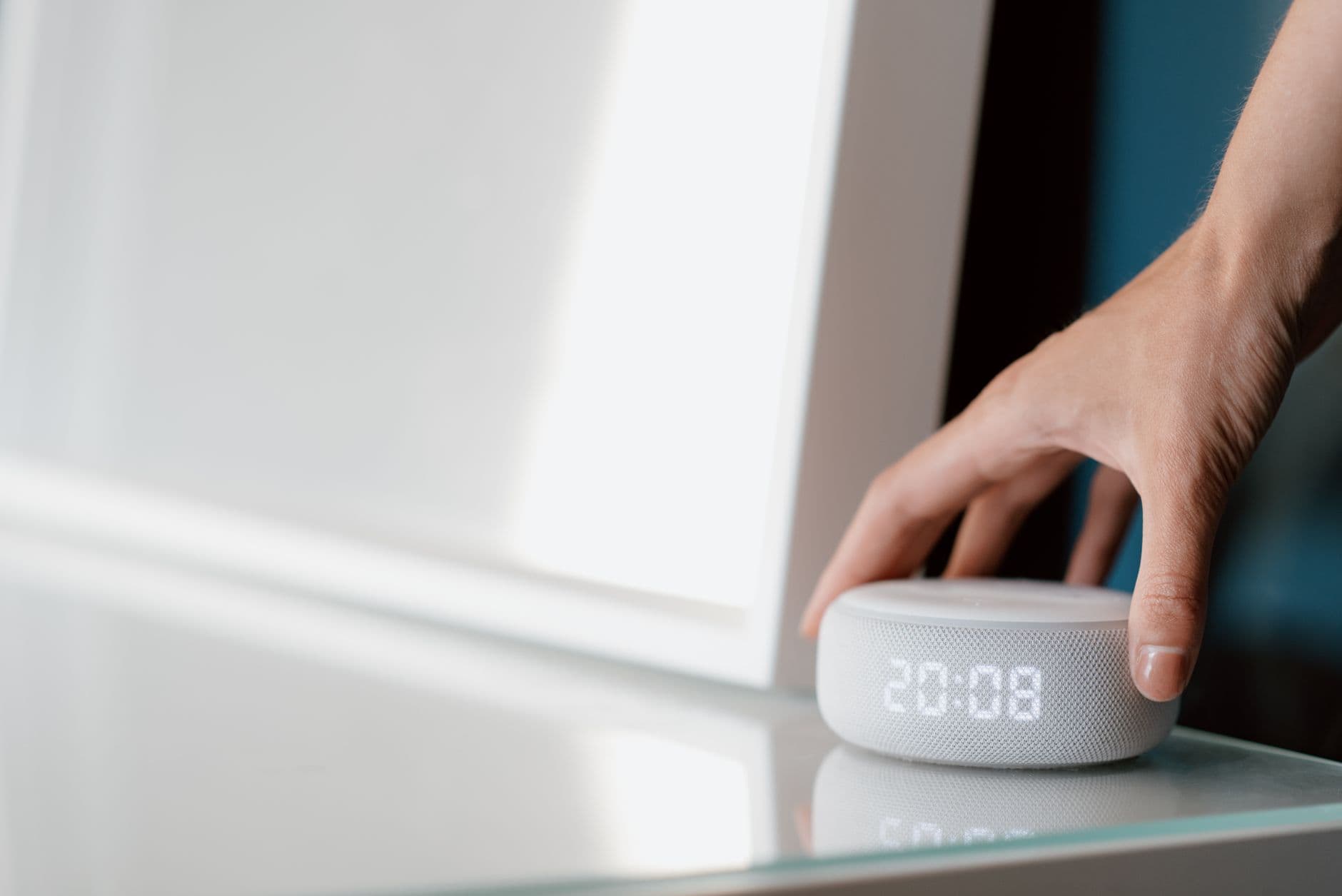
I am genuinely fascinated by the moment we decided that the shortest distance between two points was a transatlantic fiber-optic cable. A doorbell used to be a closed loop—a physical button, a bit of wire, and a solenoid that hit a metal plate with a satisfying 'ding.' Now, that same action triggers a high-definition video stream, an encrypted handshake with a server in Northern Virginia, a push notification through an Apple or Google API, and finally, a digital chime on a speaker that might or might not be connected to the Wi-Fi. It is a miracle of engineering, but I can't stop wondering if it’s a miracle we actually asked for.
There is a specific kind of silence that happens when the internet goes down in a modern 'smart' home. It isn't just that the Netflix stops; it's that the house itself seems to lose its central nervous system. I’ve been digging into why we abandoned local-first networking—the idea that devices in the same room should talk to each other directly—in favor of this 'cloud-dependency' model that turns every light switch into a subscription-walled microservice.
The Architecture Of Absolute Complexity
Why did we make the simple things so fragile? When you look at the technical stack of a modern smart bulb, it’s a marvel of unnecessary layers. You have the hardware layer (the bulb), the protocol layer (Zigbee, Thread, or Wi-Fi), the bridge layer, the manufacturer's cloud, the integration cloud (like Alexa or HomeKit), and finally the user interface. If any one of these links in the chain breaks—or if a company decides to sunset a server from 2018—the bulb becomes an expensive piece of e-waste.
I keep thinking about the 'Doorbell-to-Data-Center' bottleneck. We are essentially betting that our residential ISP connections and a handful of centralized data centers will have 100% uptime forever. It’s an optimistic view of infrastructure that doesn't seem to match the reality of a backhoe hitting a fiber line down the street. We’ve traded the 99.999% reliability of a copper wire for the 'convenience' of a system that requires a dozen invisible handshakes just to turn on a porch light.
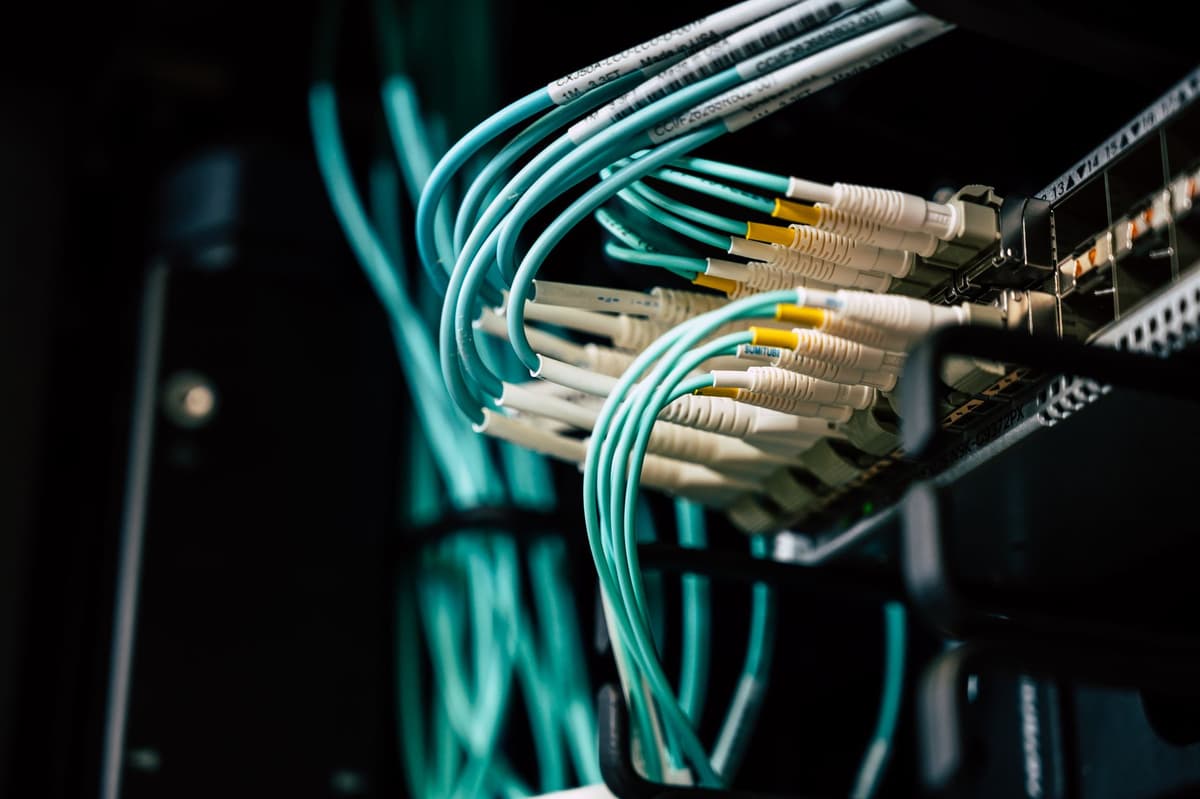
Photo by Brett Sayles on Pexels
Is this a design failure, or is it a business model success? That’s the question that keeps me up. If a device works locally, the manufacturer can’t sell you a storage plan. They can't gather telemetry on how often you go to the fridge at 2 AM. By forcing the data through their servers, they turn a one-time hardware purchase into a perpetual relationship. I wonder if we’ve reached a point where 'smart' is just a synonym for 'monetizable.'
Searching For The Local-First Ghost
There’s a small but vocal movement of people trying to go back to local-first networking, using things like Home Assistant or local MQTT brokers. It’s fascinating because it feels like a digital version of homesteading. These people are building their own private clouds in their closets so their light switches work even if the rest of the world goes dark. It’s a lot of work to recreate the reliability we had in 1995, but the motivation makes sense. They want their homes to be private and persistent.
I’m curious about the 'latency of the soul' in these devices. Have you noticed the half-second delay when you toggle a smart switch? That tiny gap is the sound of your command traveling to a data center and back. It’s a small thing, but it adds up to a general sense of friction in our physical environments. We are living in a world that is increasingly 'buffered,' where our physical movements are slightly out of sync with our digital responses.
What happens to these homes in twenty years? We have millions of devices currently dependent on APIs that might not exist by the time the next decade rolls around. We are essentially building digital ruins into our drywall. I wonder if the next generation of home buyers will look at 'smart' features the same way we look at shag carpeting or wood-paneled walls—as a dated headache that’s going to be a pain to rip out.
What This Actually Means
We are currently in a transition phase where we’ve confused 'connected' with 'better.' The cloud-dependency crisis isn't just about the frustration of a doorbell not ringing; it’s about the erosion of the 'buy it and own it' philosophy. When the core functionality of a physical object lives on someone else's computer, you don't really own the object. You’re just leasing its utility until the terms of service change or the company gets acquired.
I suspect we’ll eventually see a swing back toward 'Edge Computing' for the home—where the processing happens on a small, powerful hub inside your four walls. We need a 'Local-First' manifesto for consumer electronics that mandates basic functionality must work without an internet connection. A doorbell should always be a doorbell, even if the world is ending.
Ultimately, I’m just curious to see if we’ll ever value resilience over the shiny allure of a subscription-based feature set. We’ve built a incredibly complex machine to handle the simplest tasks of human life. It’s beautiful, in a way, but it’s also terrifyingly thin. We’re one server outage away from being unable to let the cat in, and that’s a very strange place for a civilization to find itself.
Quick Answers
Why can't my smart home devices just talk to each other?
Most manufacturers want you in their ecosystem to collect data and sell subscriptions, so they route your data through their own servers instead of your local Wi-Fi.
What is 'local-first' technology?
It’s a design philosophy where devices process data and communicate directly with each other on your private network without needing to ping a remote server to function.
Will my smart devices stop working if the company goes bust?
In most cases, yes; if the central servers are turned off, 'cloud-dependent' devices usually lose their 'smart' features and sometimes stop working entirely.


