
The Great Carapace Gaslight
We have officially reached the 'Desperate Rebranding' phase of the climate apocalypse. After years of trying to convince us that cricket flour tastes like 'nutty almond'—which is a lie, it tastes like the floor of a PetSmart—the insect industry has pivoted. They’ve looked at the biology textbook, noticed that shrimp and grasshoppers are both arthropods, and decided to treat us like toddlers who won't eat their broccoli unless we call it 'dinosaur trees.' Welcome to the era of Land-Shrimp. It’s the same creepy-crawly that ruined your 2014 picnic, but now it has a French accent and a $45 price point.
Let’s be honest about what’s happening here. This isn't a culinary breakthrough; it’s a legal loophole for our souls. We’ve spent centuries collectively deciding that if an animal lives in the ocean and looks like a wet alien, it’s a delicacy, but if it lives under your porch and looks like a dry alien, it’s a reason to call an exterminator. The industry is betting that if they lean into the genetic similarity between a lobster and a locust, you’ll forget that one of them is usually associated with butter and the other is associated with a plague in the Book of Exodus.
Evolution is Just a Suggestion
Technically, the science is on their side, which is the most annoying part of this whole charade. Insects and crustaceans both belong to the phylum Arthropoda. They both have exoskeletons. They both have jointed limbs. If you squint hard enough at a prawn, it really is just a cockroach that learned how to swim and developed a better PR team. The industry is now leveraging this 'taxonomic proximity' to bypass the 'ick factor' that has plagued insect startups since they first tried to make us eat mealworm granola bars in 2012.
- The Shellfish Defense: 'If you can eat a crab, which is basically a giant seafaring spider with armor, you can eat this cricket!'
- The Butter Strategy: Everything tastes like a five-star meal if you submerge it in enough garlic and clarified butter.
- The Visual Bait-and-Switch: Removing the wings and legs so the insect looks less like an organism and more like a 'protein pellet' or a 'terrestrial nugget.'
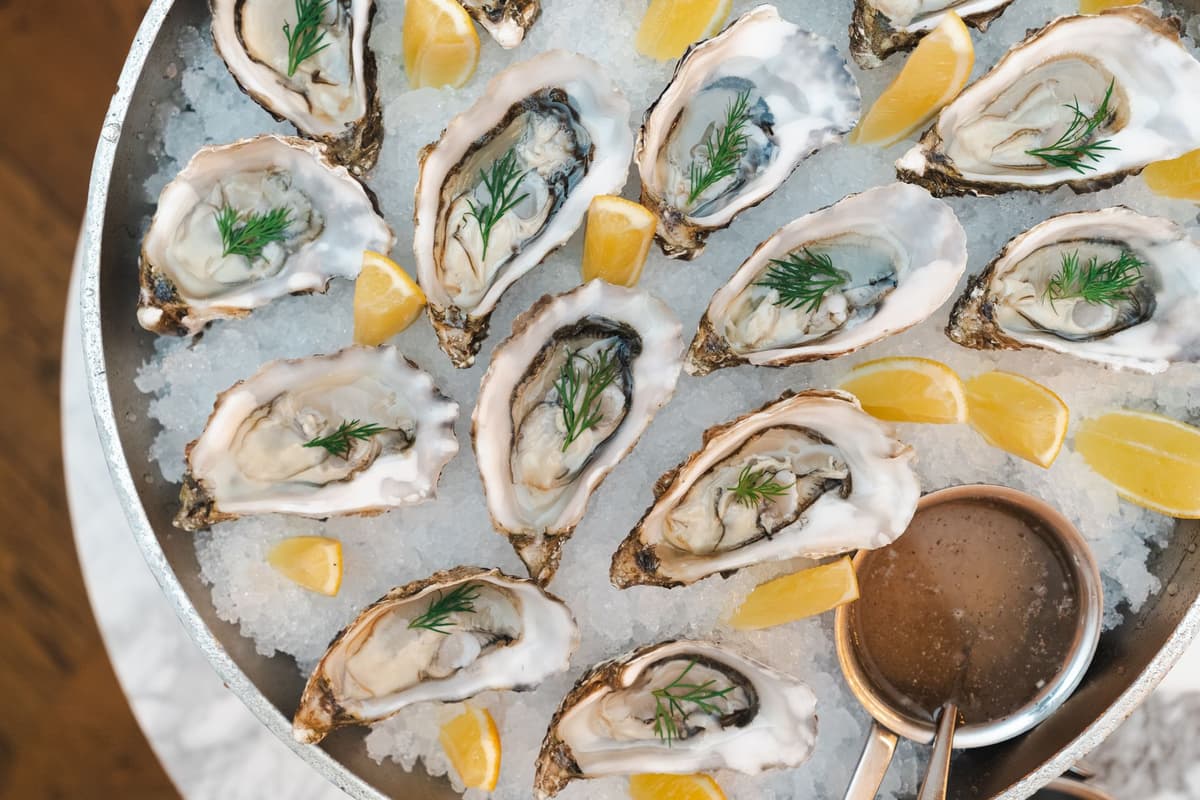
Photo by Alari Tammsalu on Pexels
I recently saw a pitch for 'miniature terrestrial lobsters' that were just deep-fried cicadas. It’s bold. It’s audacious. It’s the kind of marketing genius that normally involves selling a monorail to a small town in Oregon. They aren't selling food; they’re selling a vibe shift. They want you to feel like a sophisticated global citizen for eating something that a bird usually considers a light snack.
The Supply Chain of My Nightmares
Traditional livestock is a logistical disaster. Cows are huge, they fart methane, and they require thousands of gallons of water just to produce a single steak. Insects, on the other hand, are the efficiency experts of the animal kingdom. You can grow 100 pounds of crickets in a space the size of a coat closet using nothing but potato peels and a positive attitude. By 2030, the global insect protein market is projected to hit $9.6 billion. That is a lot of money being spent on things that jump when you try to step on them.
But the real pivot isn't just efficiency; it's the bypass. By positioning insects as 'gourmet land-crustaceans,' these companies are jumping over the 'poor man’s food' stigma. They don't want to be the cheap alternative to beef; they want to be the expensive alternative to shrimp. It’s brilliant. If you sell a bag of bugs for $2, people think you're a weirdo. If you sell a 'Micro-Arthropod Tasting Flight' for $85, you get a glowing review in a magazine that smells like expensive perfume.

Photo by MAG Photography on Pexels
We are essentially being tricked into eating the bottom of the food chain by people who realized that 'Sustainability' is a boring word, but 'Artisan' is a word that makes people open their wallets. I’m waiting for the day I go to a steakhouse and the waiter asks if I want my Land-Shrimp 'scampi-style' or if I want the 'Wood-Fired Weevil Tartare.' At that point, I’m just going to start eating the decorative moss on the table out of spite.
What This Actually Means
The 'Land-Shrimp' rebrand is the ultimate test of human vanity. We are so obsessed with status and labels that we will literally eat a bug if you tell us it’s related to a shrimp. It’s the 'Patagonian Toothfish' strategy all over again. Nobody wanted to eat something called a Toothfish, but the second they renamed it 'Chilean Sea Bass,' it became the most popular dish on every menu in North America. We are suckers for a good name change.
Ultimately, this is about the normalization of the absurd. We’ve managed to make fermented cabbage (kimchi) and raw fish (sushi) mainstream, so the insect guys figure they have a shot. They just need to stop talking about 'saving the planet' and start talking about 'crunchy umami flavor profiles.' People don't want to save the world during dinner; they want to feel like they're eating something special that someone else can't afford.
So, prepare yourselves. Within five years, you will be at a wedding, and a server will offer you a 'Terrestrial Prawn Crostini.' You will eat it. You will like it. And only then will you realize that you just paid a premium to eat the thing that’s currently living inside your crawl space. The gaslighting is working, and honestly? As long as there’s enough dipping sauce, I might just let it happen.
Quick Answers
Do insects actually taste like shrimp?
Only if you have never actually tasted a shrimp and are currently suffering from a severe head cold. They taste like crispy nothingness with a hint of 'earthy' dirt.
Are they safe to eat if I have a shellfish allergy?
Actually, no! Because they are so genetically similar, people with shellfish allergies can have the same reaction to insects. It’s the one time the rebranding is actually scientifically honest.
Will this really replace beef?
Not until someone figures out how to make a 12-ounce ribeye out of 40,000 compressed mealworms that doesn't scream when you put it on the grill.


