The Latency of a Lettuce Leaf
I spent my morning thinking about the sheer speed of a decision. When a tractor rolls over a field at five miles per hour, the distance between a healthy head of Romaine and a nutrient-stealing thistle is measured in milliseconds. For decades, the solution to this speed problem was simple and brutal: spray everything. We turned our fields into chemical kill-zones because computers weren't fast enough to tell the difference between a crop and a weed while bouncing on a metal frame in the middle of a dusty Iowa afternoon.
Now, we have models like DeepSeek-v4-flash-vision hitting sub-50ms inference times on hardware that costs less than a high-end smartphone. It makes me wonder if we’ve spent so much time worrying about AI taking over the world that we missed it quietly taking over the dirt. This isn't about some god-like intelligence; it's about a very specific, very fast kind of sight that doesn't need a cloud connection to function. It is a 'Millisecond Agronomist' that lives on a rusted tractor rail.
Why Cheap Hardware Changes the Ethics
Usually, high-tech farming is a playground for the ultra-wealthy. You buy the $600,000 autonomous rig and pay a monthly subscription to a conglomerate just to keep the software running. But the shift toward lightweight, open-source vision models feels different because it’s democratizing the 'brain' of the machine. When the model is small enough to run on an edge device—basically a ruggedized laptop—the barrier to entry for pesticide-free farming drops through the floor.
I find it fascinating that the biggest threat to a multi-billion-dollar herbicide patent isn't a new chemical; it's a 1s-and-0s recognition pattern. If a robot can see a weed and zap it with a high-powered laser or a precision mechanical hoe in 40 milliseconds, the need for a $200-per-gallon chemical disappears. We are moving from a world of chemistry to a world of computation. It makes me wonder what happens to those massive agrochemical giants when their entire business model is bypassed by an open-source library on GitHub.

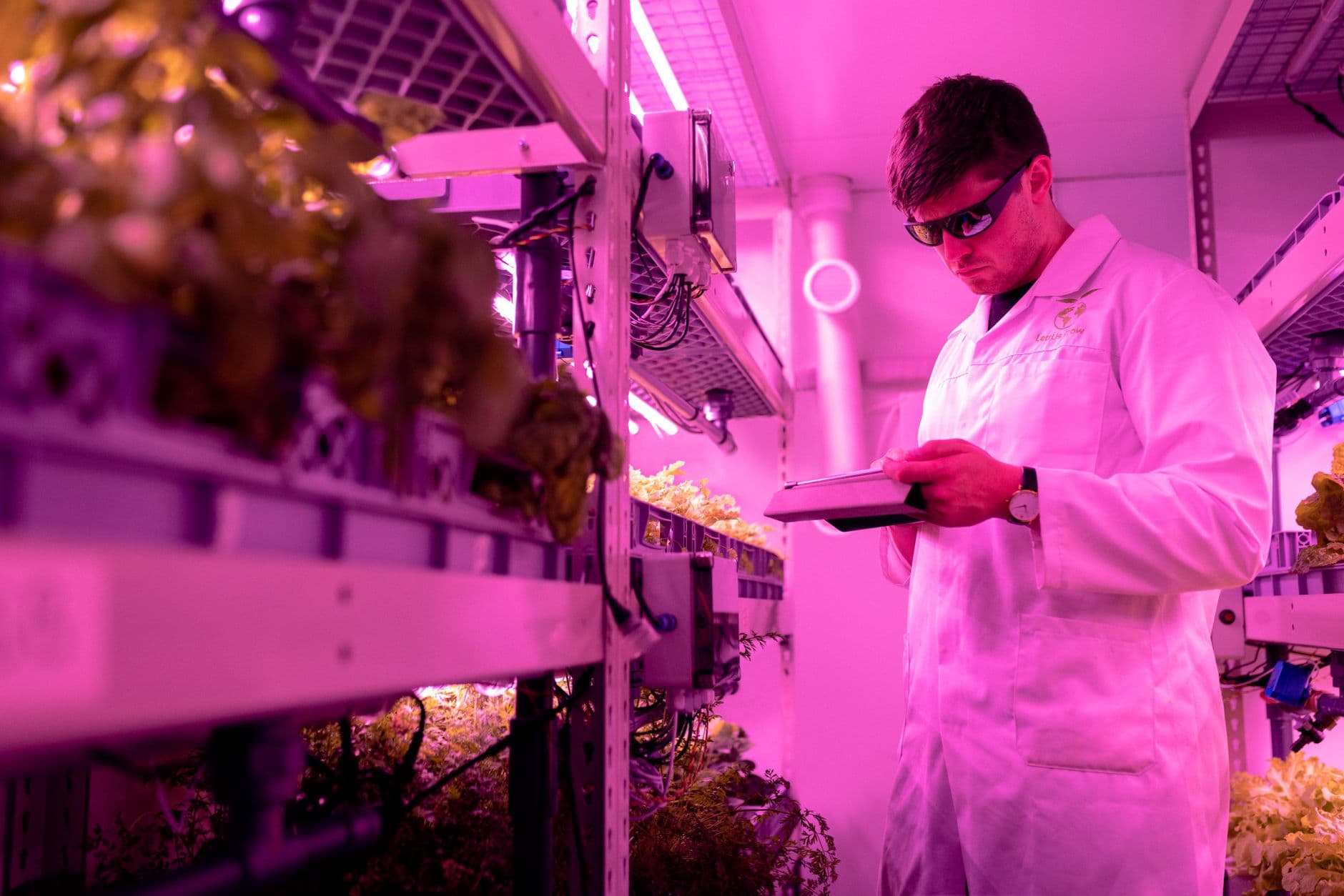
Photo by Akil Mazumder on Pexels
The Complexity of a Single Weed
How does a machine actually 'know' what a weed is? In a lab, it's easy. In a field with shifting shadows, mud-splattered lenses, and overlapping leaves, it’s a miracle. These flash-vision models are trained on millions of images, learning the subtle geometry of a leaf's edge. The curiosity here lies in the edge cases. What happens when a new invasive species shows up? Does the robot ignore it, or does it learn on the fly?
- Localized processing means no data lag from the cloud.
- Sub-50ms speeds allow for higher tractor velocities, matching traditional spraying speeds.
- Low power draw means these systems can run on electric batteries rather than heavy diesel engines.
There is something almost poetic about the idea of a robot delicately weeding a field. It’s the antithesis of the industrial revolution’s 'bigger is better' mantra. We are seeing a return to the meticulous care of a human gardener, but performed at a scale and speed that no human could ever sustain. It's micro-management at a biological level.
What This Actually Means
This technology suggests we are approaching a 'post-chemical' baseline for food. If the cost of the robot is offset by the savings on herbicides within two seasons, the transition isn't just an environmental choice—it’s an economic inevitability. We’ve spent seventy years trying to solve hunger through industrial chemistry, and it turns out the answer might have been better eyes all along.
I’m left wondering how this changes our relationship with the land. If we stop carpet-bombing fields with toxins, does the soil biome recover in five years? Ten? We are about to run a massive, global experiment in ecological restoration, powered by tiny silicon chips that don't know they're saving the world—they just know they've seen a weed.
Quick Answers
Does this make food cheaper?
Eventually, yes, by removing the massive overhead of patented chemical inputs and reducing the need for manual labor, though the initial hardware investment is still high for small farms.
Is it really pesticide-free?
It can be. These robots can use lasers, electricity, or mechanical pluckers to kill weeds, eliminating the need for any chemical application in the weeding process.
What about the 'Flash' models?
They are optimized for speed over deep reasoning. They don't need to know the history of the plant; they just need to recognize its shape instantly to trigger a mechanical response.


