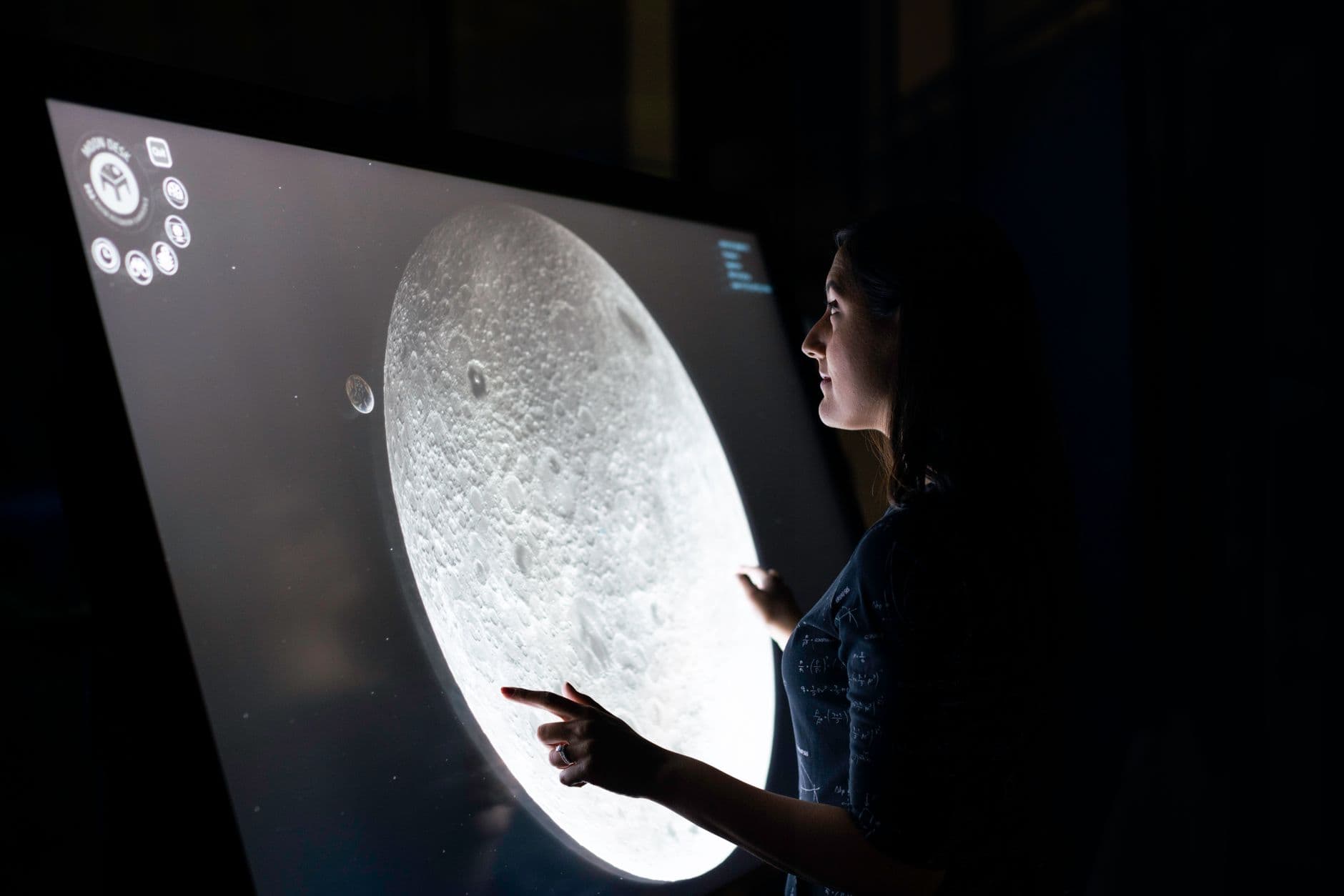
We are systematically blinding ourselves to the visual cosmos, wrapping our planet in a dense, reflective shell of industrial hardware. As optical astronomy suffocates under tens of thousands of low-Earth orbit satellites, backyard scientists are retreating into the invisible spectrum, fighting for the last quiet frequencies in the sky. This is not a hobbyist fad; it is a tactical retreat to save observational science at the grassroots level.
Over 10,000 active satellites currently orbit Earth, with commercial filings projecting that number to exceed 100,000 before 2035. For over four centuries, optical astronomy was the democratic frontier of discovery—anyone with a four-inch glass refractor and a dark field could track comets, chart variable stars, and witness the unvarnished universe. Today, long-exposure astrophotography frames are regularly ruined by blazing streaks of reflected sunlight from commercial broadband trains. The pristine dark sky is disappearing, replaced by an artificial, moving grid.
The Migration from Glass to Copper
The response to this orbital crowding is an underground renaissance known among builders as the "Spectral Sanctuary" movement. Rather than abandoning observational astronomy, amateur astronomers are abandoning visible light altogether. They are packing away optical tubes and assembling software-defined radios, low-noise amplifiers, and custom dish arrays built from chicken wire, scrap aluminum, and repurposed telecommunications receivers.
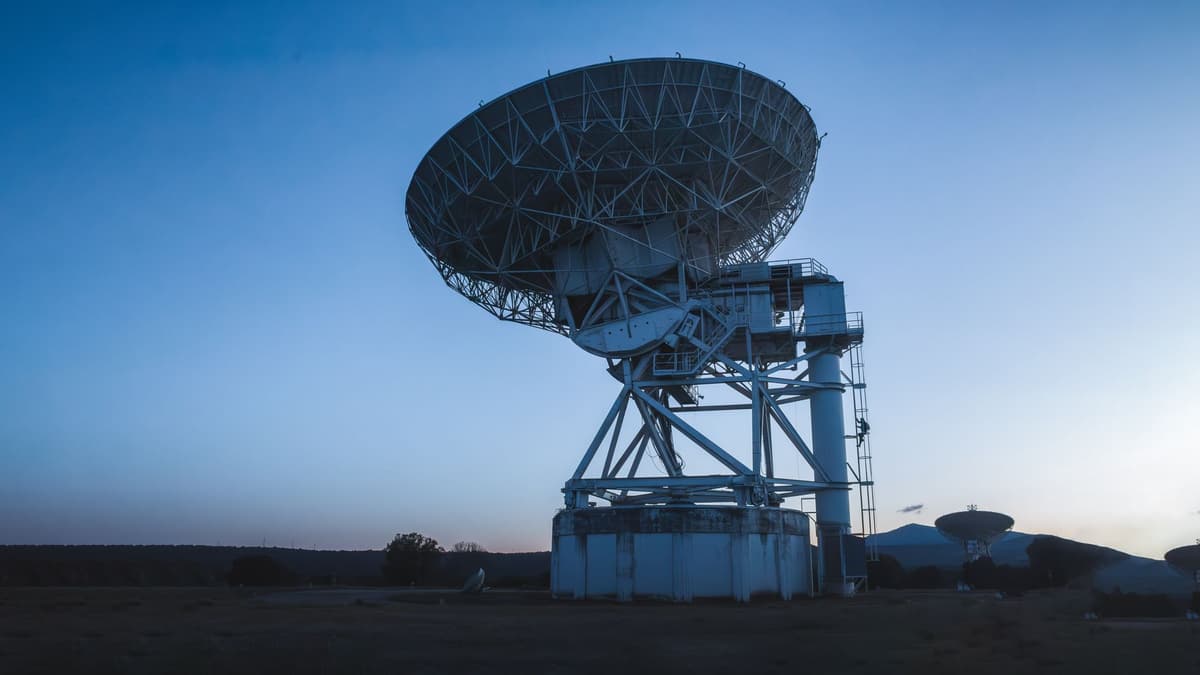
Photo by Alejandro De Roa on Pexels
By shifting their focus from optical wavelengths to the radio spectrum, these backyard researchers bypass the optical photobombing of satellite shells. They are targeting the neutral hydrogen line at 1420 MHz—the chemical heartbeat of the universe—and mapping the spiral arms of our galaxy through pure signal processing. Where light fails, radio frequency (RF) engineering steps in.
This migration requires a fundamentally different mindset. An optical astronomer looks at the sky through an eyepiece; a radio astronomer listens to mathematical voltage fluctuations over time. It turns a quiet suburban garden into a computational signal station, sifting through raw electromagnetic noise to catch the faint whispers of pulsar emissions and solar flares.
The Squeeze on the Silent Spectrum
Radio astronomy has historically offered an unpolluted window into deep time, but this refuge is shrinking rapidly. The very satellite networks that ruin long-exposure photography also generate immense RF spillover. Broadband constellations beam gigabits of data down in the Ku, Ka, and V bands, and the unintended electromagnetic radiation from their onboard electronics bleeds into adjacent, theoretically protected astronomical bands.
Amateur radio astronomers are finding that their local spectrum is becoming as congested as their physical skies. To extract meaningful cosmic data, DIY arrays must now deploy sophisticated filtering techniques:
- Real-time digital signal processing (DSP) to carve out notch filters around high-power terrestrial and satellite downlinks.
- Dual-antenna amateur interferometry, using phase cancellation to actively null out overhead satellite passes.
- Distributed listening networks that cross-correlate time-stamped signals across multiple geographic backyards to verify genuine cosmic events.
This is defensive engineering. Amateurs are no longer simply pointing an antenna at the Milky Way; they are playing an active, complex game of spectral hide-and-seek against multi-billion-dollar commercial networks.
Why Ground-Level Science Matters
It is easy to dismiss this shift as a niche reaction by frustrated tinkerers, but amateur observational science has historically served as a critical early-warning network for professional institutions. Amateurs track near-Earth objects, monitor unexpected stellar variability, and provide continuous, wide-area coverage that billion-dollar observatories simply do not have the operational budget or schedule time to maintain.
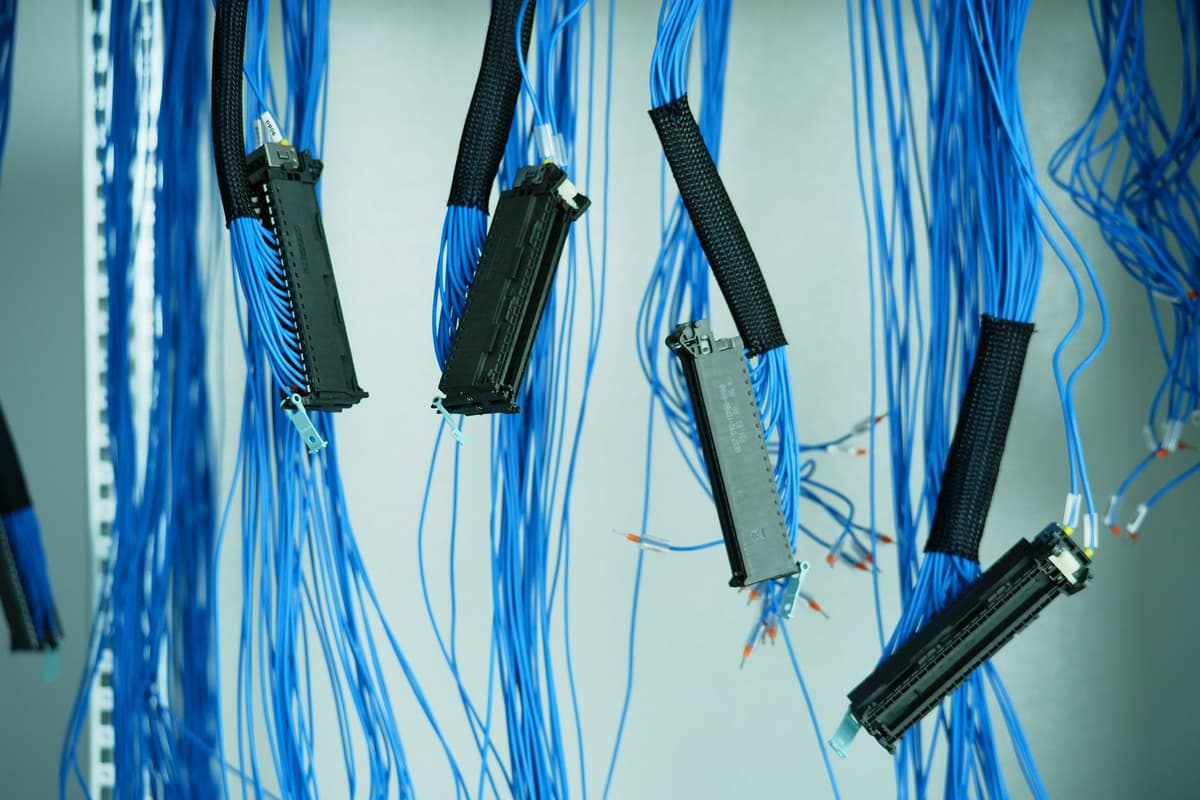
Photo by cnrdmroglu on Pexels
When we privatize and saturate low-Earth orbit, we do not merely inconvenience astrophotographers on social media. We introduce a severe filter on human curiosity. When the barrier to entry shifts from buying an affordable optical scope to engineering custom RF bandpass filters capable of suppressing gigahertz-band interference, we exclude the next generation of natural observers. Science becomes the exclusive domain of institutional mega-projects like the James Webb Space Telescope or the Square Kilometre Array, isolating ordinary people from direct contact with the sky.
What This Actually Means
The industrialization of low-Earth orbit is an irreversible ecological shift in our relationship with the cosmos. We have treated the night sky as an infinite, unowned resource, deploying massive infrastructure with minimal international consensus on electromagnetic and visual preservation. The sky is no longer a natural commons; it is an industrial corridor.
The backyard radio astronomers building interferometers out of scrap metal and open-source software are staging an important act of scientific preservation. They are proving that direct inquiry into the cosmos can survive commercial saturation, provided we are willing to adapt our instruments. But their need to build these technological workarounds in the first place is an indictment of how recklessly we have managed the space above our heads.
If we lose the ability to see and hear the universe from our own soil without corporate permission or computational de-noising, we lose a foundational human experience. The Spectral Sanctuary movement is not just a clever hardware subculture; it is the final line of defense for open-access astronomy.
Quick Answers
Can satellites completely block cosmic radio signals?
Direct physical blockage is rare, but the radio frequency interference from satellite downlinks and electronics can easily drown out faint cosmic signals without aggressive software and hardware filtering.
Why can't astronomers just rely entirely on space telescopes?
Space telescopes are extraordinarily expensive, have limited operational lifespans, and can only observe tiny fractions of the sky at any given time, making ground-based wide-field monitoring indispensable.
What is the 1420 MHz line and why is it important?
It is the precise frequency emitted by neutral hydrogen atoms across the cosmos, allowing radio astronomers to map galactic structures through interstellar dust clouds that optical telescopes cannot penetrate.


