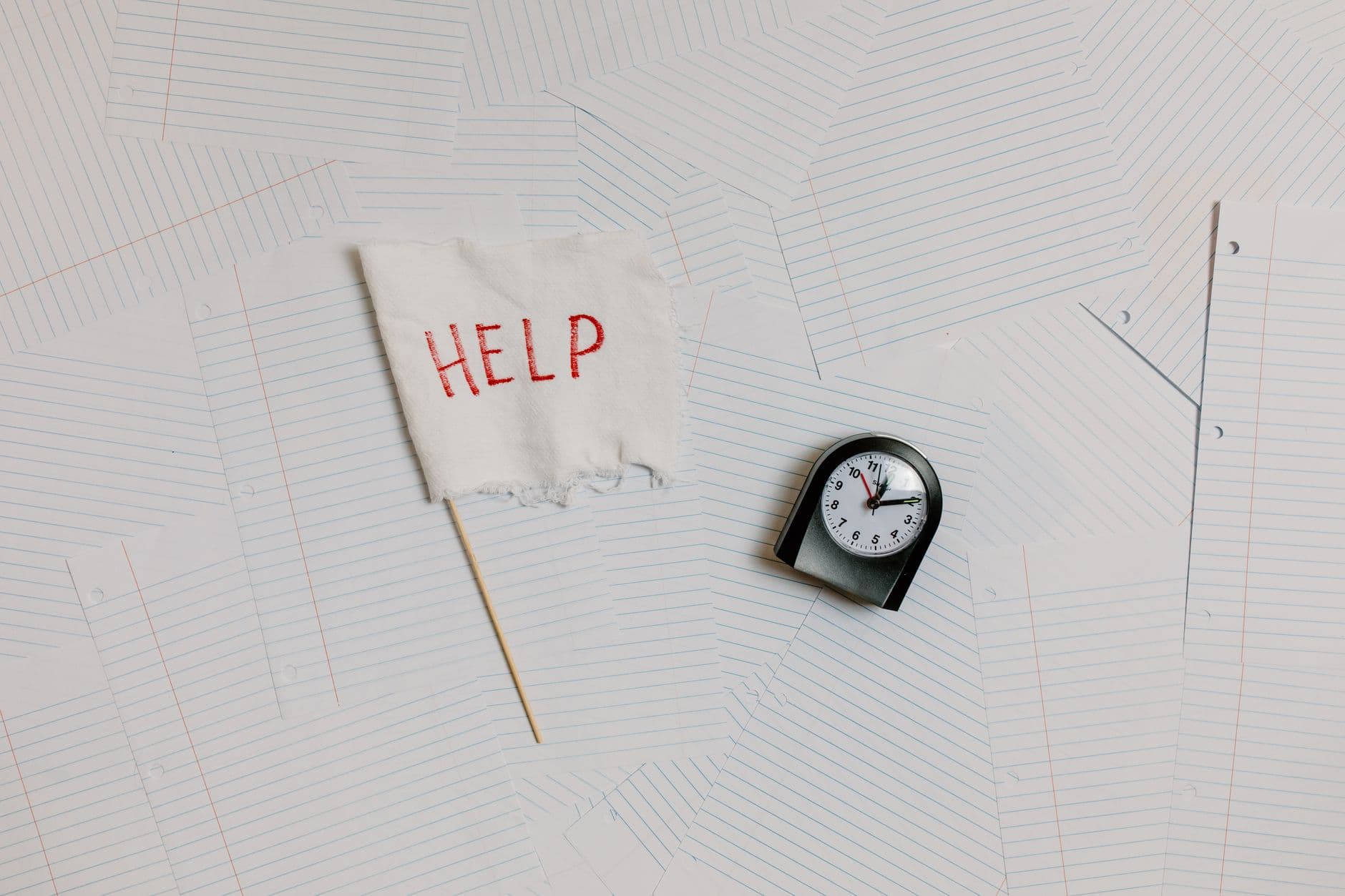
Your Microwave is Laughing at You
We are currently living through a period where the greatest sin a person can commit is taking their time. If you aren't multitasking while you sleep, are you even living? We’ve reached a point where the skip-intro button on Netflix is essentially a liturgical rite, saving us those precious five seconds we desperately need to spend scrolling through a different app while the show plays in the background. It’s a beautiful, frantic cycle of doing absolutely everything at once and remembering exactly none of it.
Efficiency used to be a tool for engineers; now, it’s a personality trait for people who buy $400 titanium water bottles. We’ve turned the act of existing into a high-speed logistics problem. If a website takes more than 2.5 seconds to load, we experience a level of existential rage that our ancestors reserved for plagues or crop failures. We demand the world move at the speed of fiber optics, forgetting that our biological hardware is still running on a Neolithic operating system that just wants to sit by a fire and eat a berry.
The Efficiency Trap is a Masterpiece
The genius of the Acceleration Cult is that it promises us more time while simultaneously ensuring we never have a moment of peace. We bought the dishwashers, the high-speed rail, and the instant pots so we could have "leisure time," but we immediately filled that void with "side hustles" and "content consumption." It turns out that when you save ten minutes, the universe doesn't let you keep them; it just expects you to produce 15% more output in the gap you created.
Consider the modern workplace, where the 2024 metric for success is how quickly you can respond to a Slack message that could have been an email, which could have been a thought that died in silence. We’ve professionalized the twitch response. The faster we move, the more we feel like we’re winning, despite the fact that most of us are just vibrating in place. We are hyper-connected to everything and everyone, yet we have the emotional depth of a 15-second TikTok clip. It’s a miracle of modern engineering that we can feel so busy while doing so little.
Photo by cottonbro studio on Pexels
This isn't just about work, though. We’ve applied the same ruthless optimization to our private lives. We have "speed dating" because getting to know a human being is a drag on our KPIs. We have "10-minute workouts" because who has the temporal budget for a full hour of movement? We’ve even optimized our rest. We wear rings that track our sleep so we can wake up and check a data point to see if we feel refreshed, rather than, you know, actually feeling refreshed. If the app says I slept well, I’m ready to tackle the day; if it says I didn't, I’ll spend the morning optimized for misery.
The High Cost of Moving Nowhere
The result of this constant acceleration isn't a more advanced civilization; it’s a species that is perpetually tired and perpetually bored. We are suffering from temporal exhaustion, a state where the present moment is just a hurdle to get to the next thing. We are so focused on the horizon that we’ve forgotten how to stand still. Paradoxically, the faster we go, the more the world looks the same. Every airport, every co-working space, and every "minimalist" cafe looks identical because they were all designed for maximum throughput and zero friction.
We’ve traded depth for breadth and called it progress. Why read a 400-page book when you can listen to a 12-minute summary at 2x speed while driving to the gym? You get the gist, right? You get the bullet points. You get the "value." What you don't get is the actual experience of thinking. But thinking is slow, and slow is the enemy. In the Church of Acceleration, the only thing worse than being wrong is being late. We’d rather be confidently incorrect at 100 mph than thoughtfully accurate at a walking pace.
What This Actually Means
This obsession with speed has effectively turned us into the very algorithms we’re trying to satisfy. We’ve internalized the logic of the machine, believing that if we just move a little faster, we’ll finally catch up to ourselves. But the finish line is a mirage. There is no point at which the world says, "Okay, you’ve been efficient enough, you can stop now." The reward for finishing your work quickly is simply more work.
We are currently in a race to the bottom of our own attention spans. By treating time as a commodity to be exploited rather than a medium to be lived in, we’ve managed to make life feel both frantic and hollow. We are the most "connected" generation in history, yet we’ve never been more alienated from the actual physical reality of our own lives. We aren't living; we’re just processing data at an ever-increasing clock speed.
Ultimately, the religion of speed is a suicide cult for the soul. It demands everything and gives back nothing but a slightly better quarterly report and a prescription for burnout. If you want to rebel against the system, try doing one thing at a time. Try walking without a podcast. Try waiting for something without checking your phone. It will feel like dying, but that’s just the feeling of your brain remembering how to exist in real-time.
Quick Answers
Is there any way to actually slow down?
Yes, but it involves the terrifying prospect of saying "no" to things and being perceived as "unproductive" by people who are currently vibrating themselves into an early grave.
Won't I fall behind if I don't keep up with the pace?
Fall behind what? The race to see who can have the most impressive LinkedIn profile while having the least amount of actual life experience? Yes, you will definitely lose that race.
Why does everything feel so urgent all the time?
Because urgency is a great way to stop people from asking if what they're doing actually matters. If you're running for your life, you don't stop to ask where you're going.


