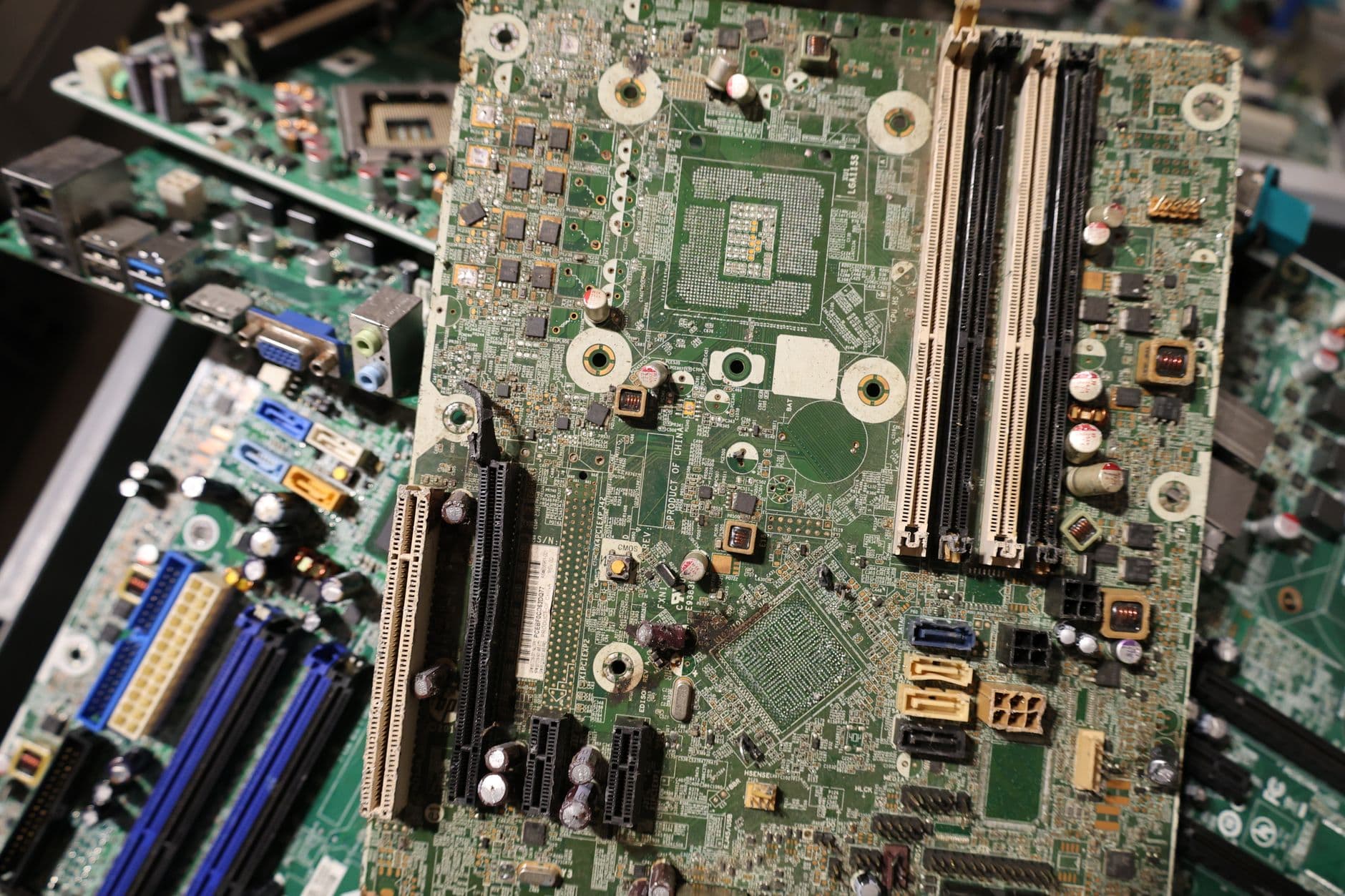
The Sacred Polyvinyl Chloride Knot
There is a specific brand of optimism required to look at a 30-pin iPod connector in the year 2024 and think, "This could be the pivot point for my entire weekend." We are told that the future is wireless, seamless, and living in a nebulous cloud managed by men in Patagonia vests, yet we continue to hoard tangles of copper and plastic like tech-literate crows. It isn't just clutter; it is a profound lack of faith in the corporate promise that things will just work.
Every time you move that box to the top shelf of the closet, you are performing a ritual of infrastructure preservation. You don't know what a SCSI cable does anymore—honestly, you’re not entirely sure you ever did—but the thought of throwing it away feels like deleting a backup of your own personality. In a world where your digital library can be revoked because a licensing agreement expired in Luxembourg, a physical cable is the only thing that doesn't require a Terms of Service update to function.
The Delusion of Wireless Freedom
Apple and Samsung would very much like you to believe that wires are a vestigial organ, like an appendix or a sense of shame. They want us to live in a pristine, Bluetooth-enabled utopia where everything connects through the air via proprietary handshakes. This is a beautiful lie designed to ensure that when your $300 headphones’ battery dies in three years, you have no choice but to buy the next iteration. A cable, however, is a stubborn piece of reality that refuses to participate in planned obsolescence.
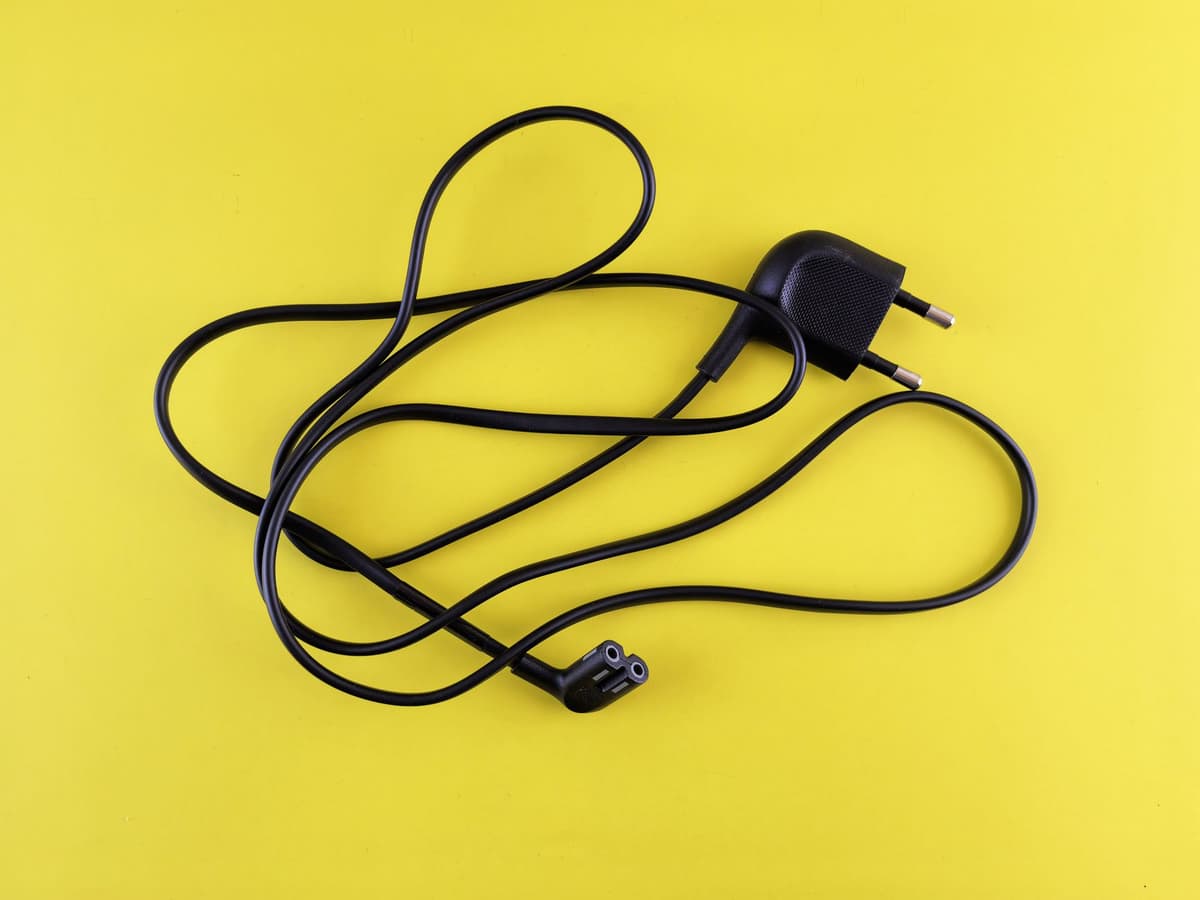
Photo by Andrey Matveev on Pexels
Your box of cables is a museum of broken promises. It contains the charred remains of the Mini-USB era, the awkward teenage years of the proprietary camera charger, and the brief, flickering moment when we thought Thunderbolt 2 was going to change the world. Each one represents a time a trillion-dollar company looked you in the eye and said, "This is the last connector you’ll ever need," right before changing the port shape by two millimeters for the next model. Hoarding them isn't irrational; it's a cold, calculated response to being lied to for two decades.
We have been conditioned to believe that convenience is the highest virtue, but convenience is just another word for "dependency on someone else’s server." When the Wi-Fi drops or the Bluetooth stack decides to have a localized stroke, the man with the physical 3.5mm auxiliary cord is the only one still hearing the music. He looks like a caveman, sure, but he’s a caveman who isn't currently troubleshooting a firmware update for his toaster.
A Cognitive Defense Against the Void
Psychologists might call this hoarding, but let’s be more generous and call it 'Distributed Personal Infrastructure.' By keeping that bin of tangled VGA leads, you are asserting that your hardware belongs to you, not the manufacturer. We are currently living through the 'Great Ephemeralization,' where everything from your word processor to your thermostat is being converted into a monthly bill. The cable box is the only part of your home that isn't currently charging you a $9.99 convenience fee.
There is a specific comfort in the weight of a heavy-gauge power brick. It suggests a world where physics still matters. When you're digging through the box looking for a specific barrel jack, you aren't just looking for a way to power an old external hard drive; you are looking for a tether to a time when you bought a product once and then owned it forever. It is a pathetic, rubberized protest against the subscription economy.
- The 2012 MacBook Charger: A relic from the era when chargers were magnetic and didn't require a $40 dongle to talk to a monitor.
- The Mystery RCA Cable: Red, white, and yellow—the holy trinity of the 1990s, kept 'just in case' you suddenly need to hook a VCR to a 4K OLED TV.
- The Micro-USB Graveyard: Forty-seven identical cables, forty-six of which only provide power and no data, ensuring a fun game of 'Digital Russian Roulette' every time you try to sync a device.
What This Actually Means
The Big Box of Cables is the Lindy Effect in action. The longer a technology has survived in your junk drawer, the more likely it is to outlast the 'revolutionary' wireless standard that tried to replace it. We keep these things because, deep down, we know the cloud is just someone else's computer, and someone else's computer is currently being audited or sold for parts.
Your refusal to throw away a DVI-to-HDMI adapter is a sophisticated cognitive defense. It’s a recognition that the digital world is a fragile layer of glass over an ocean of chaos. When the glass cracks, you’ll be the one in the basement, triumphantly pulling a functional Ethernet cable out of a knot of dead dreams, while everyone else waits for their smart-locks to reconnect to a dead server.
Don't let them tell you it's clutter. It’s a survival kit for the end of the user-friendly era. Hold onto that proprietary Sony Handycam charger like your life depends on it, because one day, the only thing standing between you and total digital erasure will be a piece of copper wrapped in cheap plastic that you haven't touched since 2008.
Quick Answers
Should I actually throw away my old cables?
No. The moment you discard a specific 12V power adapter is the exact moment you will find the device it belongs to, which will then be useless forever.
Is there any way to organize the box?
Technically yes, but the cables are sentient and will re-tangle themselves into a Gordian knot the moment you close the lid to assert their dominance.
Why do I have so many Micro-USB cables?
They reproduce via binary fission in the dark. If you leave two in a drawer for six months, you will return to find a dozen, none of which work with your Kindle.


