
The Great Corn-Based Software Update
I used to think food came from a farm, or at least a very sad factory where a guy named Gary dropped potatoes into a vat of boiling oil. I was wrong. Gary has been replaced by a neural network named 'X-Flavor-9000' that spends its day calculating the exact molecular vibrations required to make you eat an entire family-sized bag of lime-dusted hoops without blinking. We aren't eating agriculture anymore; we are eating a series of hotfixes for a supply chain that decided real ingredients are too expensive for the quarterly earnings call.
Imagine you’re trying to make a cake, but halfway through, the price of eggs goes up by four cents. A normal human says, “Well, I guess I’m paying four cents.” A food-as-code algorithm says, “Initiating Egg-Replacement Protocol 4-B: Deploying industrial-grade soy lecithin, yellow dye #5, and a chemical compound usually found in fire retardants to simulate the 'mouthfeel' of a protein.” It’s not a recipe; it’s a dynamic dependency management system that treats your stomach like a dumping ground for whatever commodity is currently trading at a discount in bulk.
This is why your favorite crackers taste slightly different every six months. It’s not you getting older and more cynical (though that helps). It’s the algorithm realizing that palm oil from a specific region in Malaysia just became $0.002 cheaper per ton, so it rewrote the cracker’s DNA on the fly. You aren't a consumer; you're the end-user of a beta test for a synthetic flavor patch.
The Synthetic Palatability Trap
These companies have figured out how to hack the human brain using something called 'Synthetic Palatability.' This is a fancy way of saying they’ve taught a computer how to lie to your tongue. The algorithm knows that if it hits a very specific ratio of salt, sugar, and fat—the 'Bliss Point'—your brain will send a signal to your hand to keep moving in a piston-like motion until the bag is empty and you are crying in the dark. It’s the biological equivalent of a pop-up ad you can’t close.
Photo by Pachon in Motion on Pexels
The problem is that these 'formulation engines' have severed the link between flavor and nutrition. In the wild, if something tastes like a strawberry, it usually has the vitamins of a strawberry. In the modern supply chain, if something tastes like a strawberry, there is a non-zero chance it started its life as a byproduct of the petroleum industry and was massaged into a fruit-like state by a server farm in Delaware. We are living in a culinary Matrix where the steak isn't real, but the 'beef-adjacent aroma molecules' are definitely being tracked by a spreadsheet.
- Version 1.0: A potato chip made of potatoes and salt.
- Version 4.2: A dehydrated starch-slurry disc optimized for maximum 'crunch-decibel' feedback.
- Version 7.0: A self-replicating flavor-delivery vehicle that bypasses the 'fullness' sensor in your hypothalamus.
Seasons Are For Losers and Farmers
Agriculture used to be about seasons. You ate squash in the fall because that’s when the ground gave you squash. Now, we eat 'Autumnal Spice Profile #92' year-round because an AI calculated that cinnamon-scented sawdust has a 400% profit margin. The concept of 'freshness' has been replaced by 'shelf-stability,' which is corporate-speak for 'this item will survive a nuclear winter and still be 40% air by volume.'
If the price of wheat spikes because of a drought, the algorithm doesn't care. It just swaps out the wheat for a highly processed cellulose-filler that was originally intended to be used in drywall. Because the flavor is synthesized separately from the base material, you can’t even tell. You’re essentially eating a delicious, salty piece of construction debris that has been 'optimized' for your specific demographic's salt-tolerance threshold.
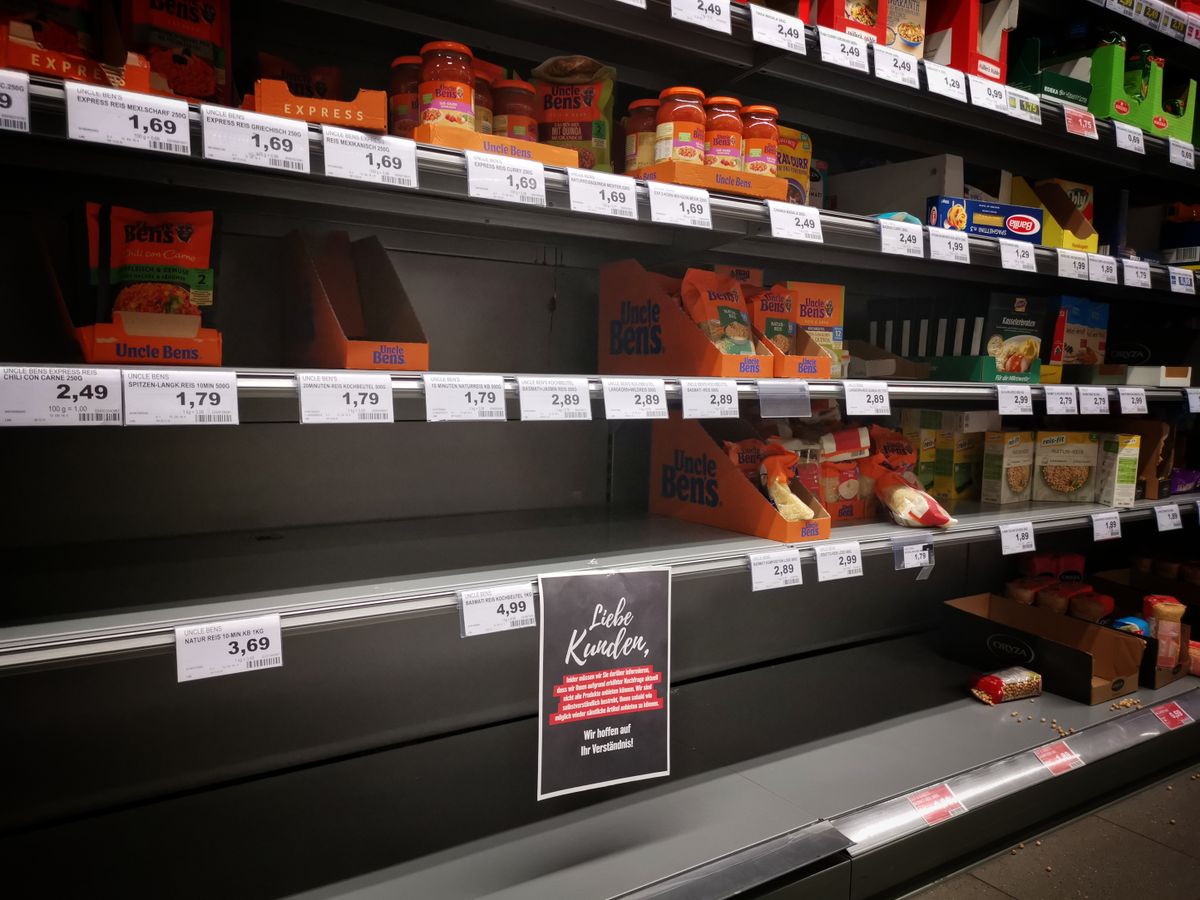
We have reached the point where the food is just a physical substrate for the chemistry. It’s like the food companies are the hardware manufacturers and the flavorists are the software developers. The 'food' is just a thumb drive designed to deliver a payload of dopamine directly to your synapses. If they could figure out how to make us eat literal sand by coating it in enough 'Nacho Zest,' they’d do it tomorrow and call it a 'disruptive fiber-rich snack alternative.'
What This Actually Means
We are losing the ability to know what we are actually putting in our bodies because the 'ingredients' are now just variables in a global optimization equation. When a snack cake has 42 ingredients and 12 of them are 'proprietary blends,' you aren't eating; you're participating in a giant, automated arbitrage trade. The food giants are shorting your health to go long on cheap corn derivatives.
This isn't just about 'junk food' anymore. This logic is creeping into everything. Even your 'healthy' protein bars are basically just compressed tech-debt. They are formulated by the same engines to ensure that even if the price of whey protein triples, the bar will still cost $2.99 and taste like a 'Birthday Cake' that was described to a robot over a very bad phone line.
If we want to fix this, we have to stop treating food like an engineering problem. A tomato shouldn't need a firmware update. The next time you see a snack that boasts 'New and Improved Flavor,' just remember: that's code for 'we found a cheaper way to trick your brain into thinking this isn't cardboard.' Buy a carrot. It hasn't had a patch notes update in four million years, and it works perfectly.
Quick Answers
Is my food actually software now?
Technically no, but functionally yes; your snacks are designed by algorithms that prioritize cost-per-gram over whether you survive to age 70.
Why does everything taste like 'Cool Ranch'?
Because 'Cool Ranch' is a chemical constant in the universe that can be applied to almost any organic matter to make it edible to a bored human.
Can I opt-out of the food-as-code transition?
Yes, it’s called 'cooking from scratch,' but it requires 'time' and 'effort,' which are two things the algorithms have already convinced you that you don't have.

