
The transition to remote work promised a liberation from the clock-punching drudgery of the physical office. We were told that results would finally matter more than the hours spent sitting in a chair. Instead, we have merely swapped the physical cubicle for a digital one, where a tiny green circle on Slack or Microsoft Teams dictates our perceived value. This isn't just a shift in etiquette; it is the institutionalization of digital anxiety.
When visibility becomes the primary proxy for productivity, the work itself suffers. The 'status trap' has created a culture where being away from one's keyboard for fifteen minutes to think, read, or simply breathe feels like a dereliction of duty. We are witnessing the death of deep work in favor of a constant, frantic ping-pong of availability.
The Architecture of False Presence
The technology originally intended to protect our time—the 'Do Not Disturb' toggle or the 'Away' indicator—has been weaponized by a managerial class that cannot lead without seeing. In a 2023 survey, nearly 37% of remote workers admitted to keeping their status active even when they weren't working. This is not laziness. It is a rational response to a system that penalizes silence. When a manager interprets a 'Yellow' status as a sign of slacking rather than a sign of focused, offline labor, the employee has no choice but to engage in theater.
This pressure has birthed an entire industry of 'mouse jigglers' and software scripts designed to keep the cursor moving. These devices, which can be purchased for as little as $15 on Amazon, are the modern equivalent of the factory worker sabotaging the assembly line to catch a breath. It is a desperate attempt to reclaim a right to privacy that should have been inherent to the remote work contract. We are seeing a massive investment of human ingenuity into the task of appearing busy, which is a staggering waste of cognitive capital.
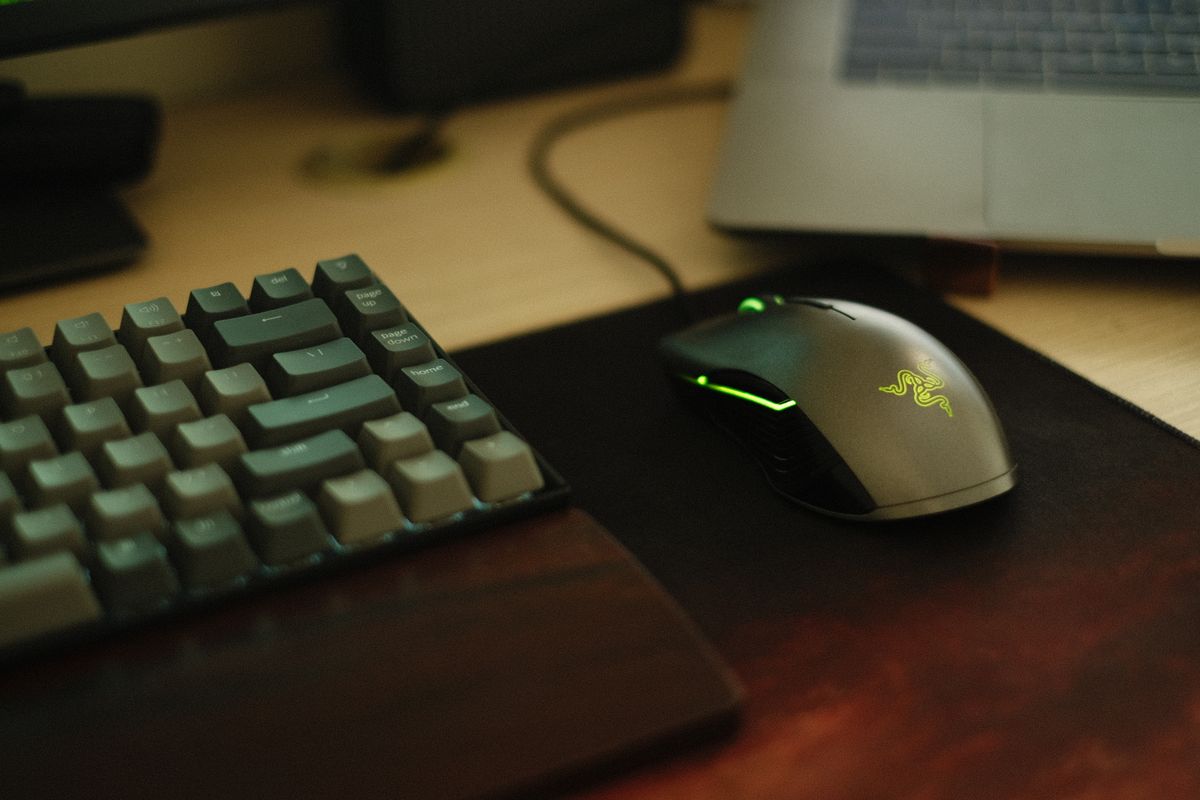
Photo by Pew Nguyen on Pexels
The Erosion of Asynchronous Autonomy
True remote work relies on the strength of asynchronous communication. It assumes that I can send a message at 10:00 AM and you can reply at 2:00 PM after you have finished your core tasks. The status light destroys this grace period. It creates an expectation of immediacy that mirrors the worst aspects of the open-plan office. If the light is green, the expectation is an instant response. This 'instant-reply' culture creates a fragmented workday where no single task receives the undivided attention it deserves.
By forcing employees to remain 'present,' companies are effectively banning the state of flow. Research has shown that it takes an average of 23 minutes to return to a task after an interruption. If an employee is checking their status every ten minutes to ensure they haven't flipped to 'Away,' they are never truly working. They are monitoring their own monitoring. This is a recursive loop of inefficiency that serves no one but the most insecure of supervisors.
The High Cost of Digital Compliance
The psychological toll of this constant surveillance is measurable. Burnout is no longer just about the volume of work; it is about the intensity of the gaze. When an employee feels they are being watched through a digital keyhole, their stress levels spike. The 'status trap' turns the home—once a sanctuary—into a high-pressure surveillance zone. It blurs the line between 'at work' and 'at home' until the distinction vanishes entirely.
Furthermore, this focus on presence disproportionately affects those with caregiving responsibilities or neurodivergent employees who may need unconventional schedules to produce their best work. By mandating a 9-to-5 green light, corporations are filtering for those who can perform presence, not those who can perform excellence. We are prioritizing the appearance of activity over the reality of achievement, and the cost is a workforce that is increasingly cynical and exhausted.
What This Actually Means
The proliferation of hardware jigglers and status-mimicking software is a loud, clear signal that the current remote work model is broken. It is a form of digital resistance against an archaic management style that hasn't evolved since the industrial revolution. If employees feel the need to trick their computers into thinking they are there, the problem isn't the employee's work ethic—it's the employer's metric of success.
We must move toward a culture of radical trust where the status light is viewed as an optional tool for the worker, not a dashboard for the manager. True productivity is measured in output, quality, and goals met, none of which require a green dot to be visible for eight hours straight. Until we decouple 'presence' from 'productivity,' we will continue to inhabit a digital panopticon of our own making.
Quick Answers
Is using a mouse jiggler ethical?
It is a survival tactic in a low-trust environment; the ethics of the surveillance that necessitates them are far more questionable than the devices themselves.
How can managers stop the 'status trap' culture?
Managers should explicitly state that status lights are not monitored and move toward objective-based performance reviews rather than time-tracking.
Does asynchronous work actually work?
Yes, but it requires high-quality documentation and a culture that rewards thoughtful, delayed responses over frantic, immediate ones.

