
Your Refrigerator Is A High-Maintenance Hostage
We have reached the pinnacle of human civilization, a glorious era where a three-second flicker in the power grid turns five hundred dollars of organic groceries into a biohazard. It is a stunning design choice, really. We’ve outsourced our basic survival to a sprawling web of copper wires and aging transformers that can be defeated by a particularly ambitious squirrel. While we wait for the inevitable collapse of the energy sector, the visionaries at Hundred Rabbits are floating around the Pacific on a boat named Pinafore, writing code on computers that run on the energy equivalent of a AAA battery and eating food that hasn't seen a compressor in months.
They aren't just hobbyists; they are the advance guard for a world that might actually have to function without a constant 120-volt umbilical cord. The irony is delicious, unlike the fermented cabbage you’re currently hiding in your pantry. We spent billions perfecting the refrigerator—a humming, heavy box that exists solely to fight the laws of thermodynamics—only to realize that we’re one brownout away from a very expensive pile of rot.
The Thrilling Innovation Of A Hole In The Ground
There is a specific kind of modern hubris in calling the rediscovery of sand-storage an "innovation." In the tech world, when Hundred Rabbits builds an operating system like UXN that requires less processing power than a 1990s calculator, it’s called "resilient computing." In the kitchen, when you bury a carrot in a box of damp sand to keep it crisp for six months, it’s called "being a peasant." But suddenly, the peasants are the only ones with a plan.
Modern agriculture is essentially a massive, energy-intensive heist. We steal nutrients from the soil, turn them into calories, and then spend a fortune in fossil fuels to keep those calories from vibrating into a liquid state before they reach your plate. The "culinary de-electrification" movement is just people admitting that maybe, just maybe, the 4,000 years of human history prior to the invention of the Frigidaire in 1913 actually had a few decent ideas.
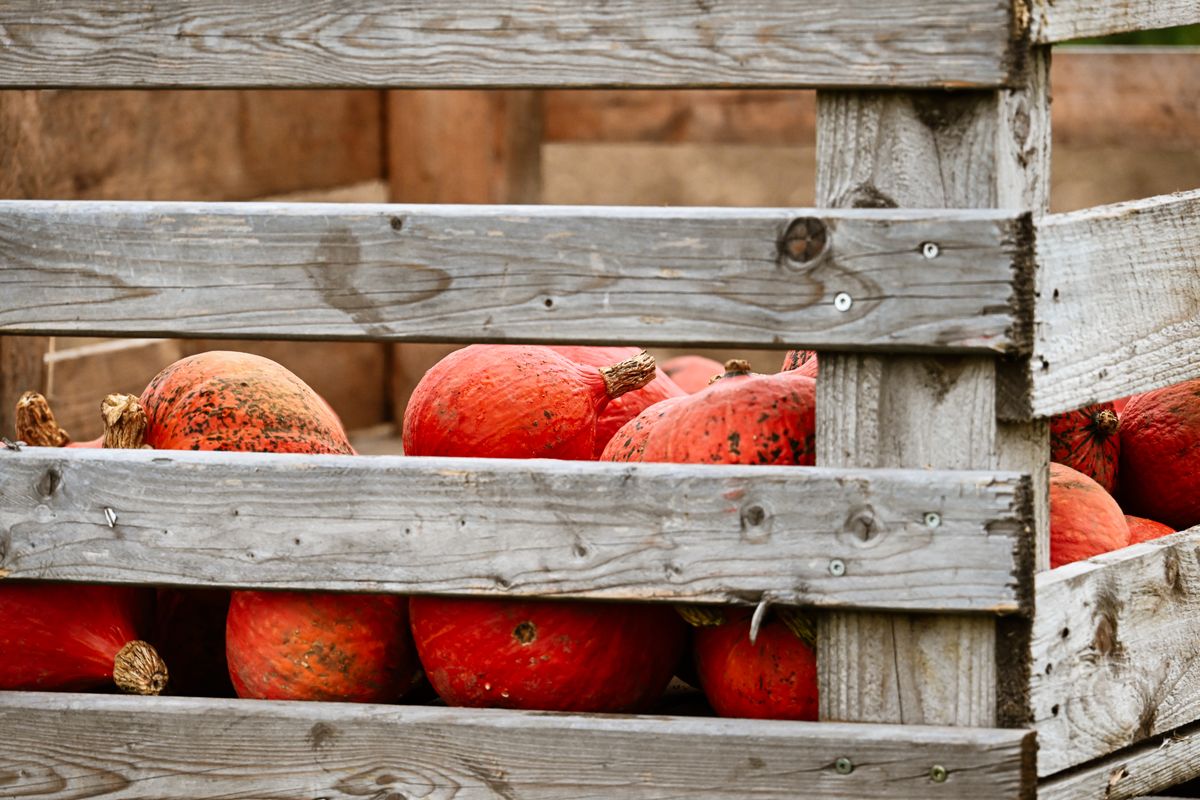
Photo by Alexas Fotos on Pexels
Solar dehydration and fermentation aren't just Pinterest aesthetics for people with too much free time and an obsession with mason jars. They are legitimate ways to decouple your dinner from the fragile, global cold chain that currently requires 24/7 climate control for a head of lettuce. It’s hard to feel like a master of the universe when your ability to eat a salad depends on a complex logistics network involving liquid nitrogen and satellite-tracked semi-trucks.
Coding For The Apocalypse Between Bites Of Kimchi
Hundred Rabbits isn't just about food; they represent a total aesthetic of minimalism that makes Silicon Valley look like a hoarders' convention. Their software projects are designed to be permanent, readable, and functional on hardware salvaged from a dumpster. This is the digital equivalent of a sourdough starter—something that can be passed down, kept alive with minimal effort, and doesn't require a monthly subscription to a cloud server that will eventually be shuttered by a bored billionaire.
- The cold chain accounts for roughly 1% of global CO2 emissions, which is a lot of carbon just to make sure your yogurt stays chilly.
- Roughly 30% of all food produced globally is wasted, much of it because of "temperature excursions" in the supply chain.
- A traditional root cellar maintains a steady 32-40°F year-round using nothing but the literal Earth, which is notably free to use.
When you stop viewing food preservation as a mechanical problem and start viewing it as a biological one, the grid becomes optional. Fermentation is just controlled rot where the "good" bacteria win the war before the "bad" ones can move in. It’s a decentralized, zero-energy security system for your calories. If the power goes out for a week, the guy with the smart-fridge is eating lukewarm Brie and crying, while the guy with the crock of sauerkraut is just... having lunch.
What This Actually Means
We are witnessing the slow-motion realization that our "advanced" systems are actually incredibly brittle. The Hundred Rabbits project and the low-tech food movement are two sides of the same coin: an exit strategy. It’s not about LARPing as a 19th-century homesteader; it’s about acknowledging that a system that requires 100% uptime to provide basic needs is a system designed by an optimist who has never met a hurricane.
True resilience doesn't look like a bigger backup generator or a more efficient smart-grid. It looks like a computer program that doesn't need an internet connection to boot up and a potato that doesn't need a coal-fired power plant to stay edible. We’ve spent the last century building a world that is incredibly fast and incredibly fragile. Maybe it's time to slow down, bury some vegetables in the yard, and write some code that doesn't need a software update every Tuesday.
Quick Answers
Is this just for people who live on boats?
No, it’s for anyone who realizes that their kitchen is currently a high-tech life support system for groceries. You can ferment things in a studio apartment in Queens just as easily as on a sailboat in the South Pacific.
Do I have to give up my microwave?
Keep the microwave for your popcorn, but maybe don't trust it with your long-term survival. The goal isn't to live in a cave; it's to make sure that if the cave loses power, you don't starve.
Why is this trending now?
Because the global supply chain has the structural integrity of a wet paper towel. People are tired of wondering if a labor strike or a freak storm will be the reason they can't find fresh produce for a month.

