
The Most Expensive Diva in the Grid
Imagine you have a friend who only agrees to help you move if you pay them $500 an hour, provide a catered lobster lunch, and give them three weeks’ notice. That is a natural gas peaker plant. These things are the ultimate divas of the energy world. They sit around doing absolutely nothing for 95% of the year, collecting 'capacity payments' just for existing, like a backup goalie who gets paid millions to sit on the bench and eat sunflower seeds.
Then, the second everyone in the city turns on their air conditioner at 5:01 PM on a Tuesday, the peaker plant groans to life. It takes forever to warm up, it coughs out a cloud of carbon that would make a Victorian chimney sweep blush, and it charges the grid a premium that makes airport bottled water look like a bargain. We tolerated this because, for a long time, we didn't have a choice. It was either pay the ransom or sit in the dark and talk to our families by candlelight. Nobody wants that.
But the math has changed, and it has changed with the subtlety of a folding chair to the face. The four-hour Lithium-Iron-Phosphate (LFP) battery is no longer a 'green alternative' or a 'promising pilot project.' It is a cold-blooded economic assassin. It’s cheaper, faster, and doesn't require a permit to breathe fire in the middle of a residential neighborhood.
The LFP Battery Is Basically A Giant Magic Brick
We need to talk about why LFP batteries are winning, and it’s not because they have a better PR firm. It’s because they are essentially giant, chemically stable bricks that don't explode when you look at them funny. Unlike the lithium-ion batteries in your phone that get spicy if they get too warm, LFP is the boring, reliable sibling who stays home and does their taxes. They are heavy, they are sturdy, and they are now dirt cheap.

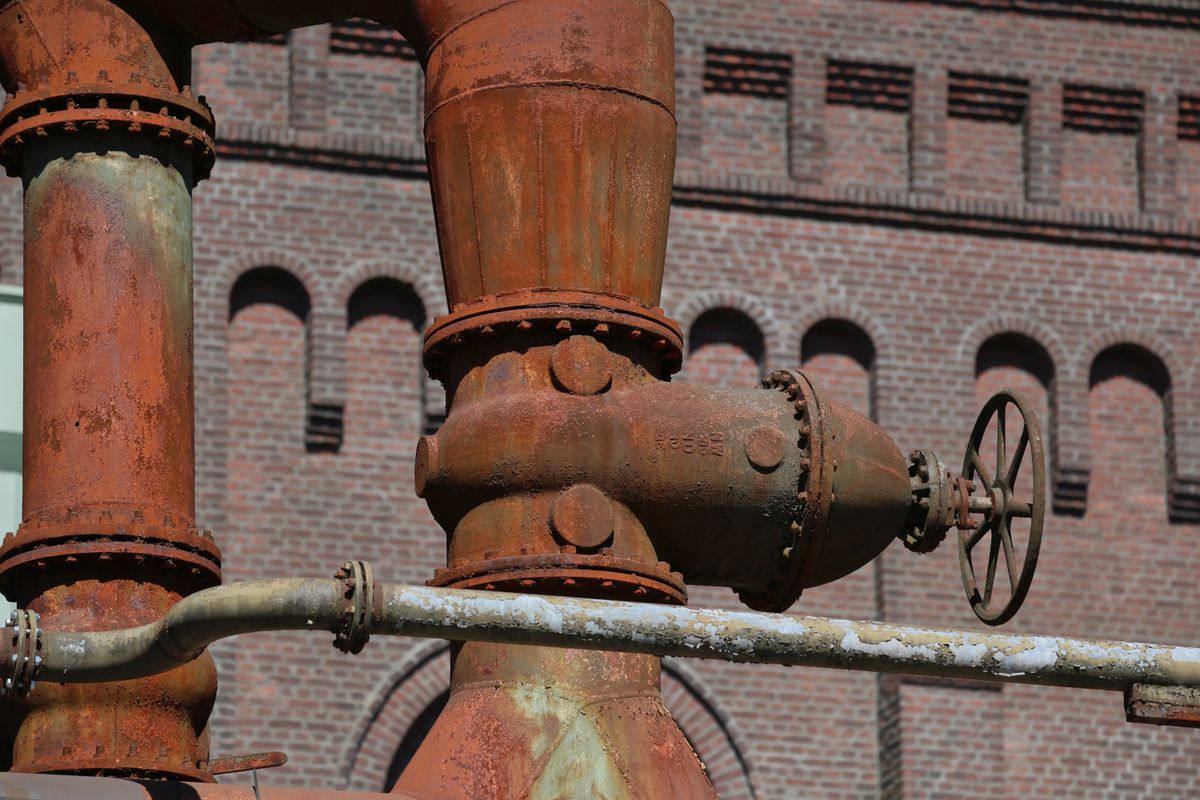
Photo by Steve A Johnson on Pexels
In 2023, the cost of these battery systems plummeted by nearly 14% in a single year. We are now at a point where building a new battery array is cheaper than just operating an existing gas peaker in many markets. It’s like finding out that buying a brand-new Tesla is cheaper than putting gas in your 2004 Honda Civic. At that point, you aren't choosing the battery because you love the polar bears; you’re choosing it because you aren’t an idiot.
Gas turbines have thousands of moving parts. They have valves, compressors, and high-pressure fuel lines. They require specialized engineers who probably wear hard hats and carry clipboards. A battery has... electrons. It sits there. When the grid screams for help, the battery flips a digital switch and delivers power in milliseconds. The gas plant is still trying to find its keys and remember if it left the oven on while the battery has already finished the job and gone back to sleep.
Extinction Is Not A Policy Choice
For decades, we’ve been told that moving away from fossil fuels would be a 'sacrifice.' We were told we’d have to wear itchy wool sweaters and only use the toaster on alternating Saturdays. But the market has pulled a fast one on the doomsayers. This isn't a 'mandate' anymore; it’s a hostile takeover. When a 4-hour storage system can beat a gas turbine on price, the debate is over. You don't need to lobby for the death of the peaker plant; the accounting department will handle the execution.
Think about the logistics. To build a gas plant, you need a pipeline. You have to convince a bunch of people to let you bury a pressurized tube of flammable gas under their flower beds. To build a battery, you just need a flat piece of dirt and a connection to the wires that are already there. It’s the difference between installing a complex plumbing system and just plugging in a power strip. One of these is a weekend project; the other is a decade-long legal nightmare involving people in suits shouting about 'zoning requirements.'
We are currently seeing a global surge where battery deployments are doubling year-over-year. In places like California and Texas—not exactly two states that agree on much—batteries are already eating the gas industry’s lunch, dinner, and those little mints they leave on the pillow. In some hours of the day, batteries are now the biggest 'generator' on the California grid. The 'bridge fuel' of natural gas has turned out to be a bridge to a very sudden cliff.
What This Actually Means
What this actually means is that the 'reliability' argument for fossil fuels is officially a zombie. It’s a dead idea that keeps walking around because people are used to seeing it. For years, the industry line was: 'Renewables are great, but what happens when the sun goes down?' The answer used to be: 'We turn on the expensive, leaky gas plant.' Now the answer is: 'We use the giant box of lightning we filled up at noon.'
This shift is permanent because the learning curve for batteries is a downward slide, while the cost of digging holes in the ground for gas remains stubbornly high. You can’t 'innovate' the cost of a steel pipe down to zero, but you can absolutely mass-produce chemical cells until they cost less than a pack of gum. We are watching the transition move from the 'activist' phase to the 'spreadsheet' phase, which is where real change actually happens.
In ten years, we’ll look back at gas peaker plants the same way we look at pagers or those machines that used to rewind VHS tapes. They served a purpose, sure, but why on earth would we go back? The future is a quiet, motionless box of minerals that makes sense to a bean counter. And honestly? That’s the funniest way for the fossil fuel era to end—not with a bang, but with a guy in a cubicle clicking 'delete' on a gas contract because the battery was $5 cheaper.
Quick Answers
Are these batteries going to explode?
No, LFP (Lithium-Iron-Phosphate) chemistry is incredibly stable and much harder to set on fire than the stuff in your laptop or your gas-powered car.
Does this mean my power bill goes down?
In theory, yes, because utilities won't have to pay $2,000/MWh for 'emergency' gas power, though they will probably find a way to charge you for the 'convenience' of the transition.
What happens after the 4 hours are up?
Currently, 4 hours covers the vast majority of 'peak' demand spikes, and as prices drop further, we just add more bricks to the pile to make it 8, 12, or 24 hours.

