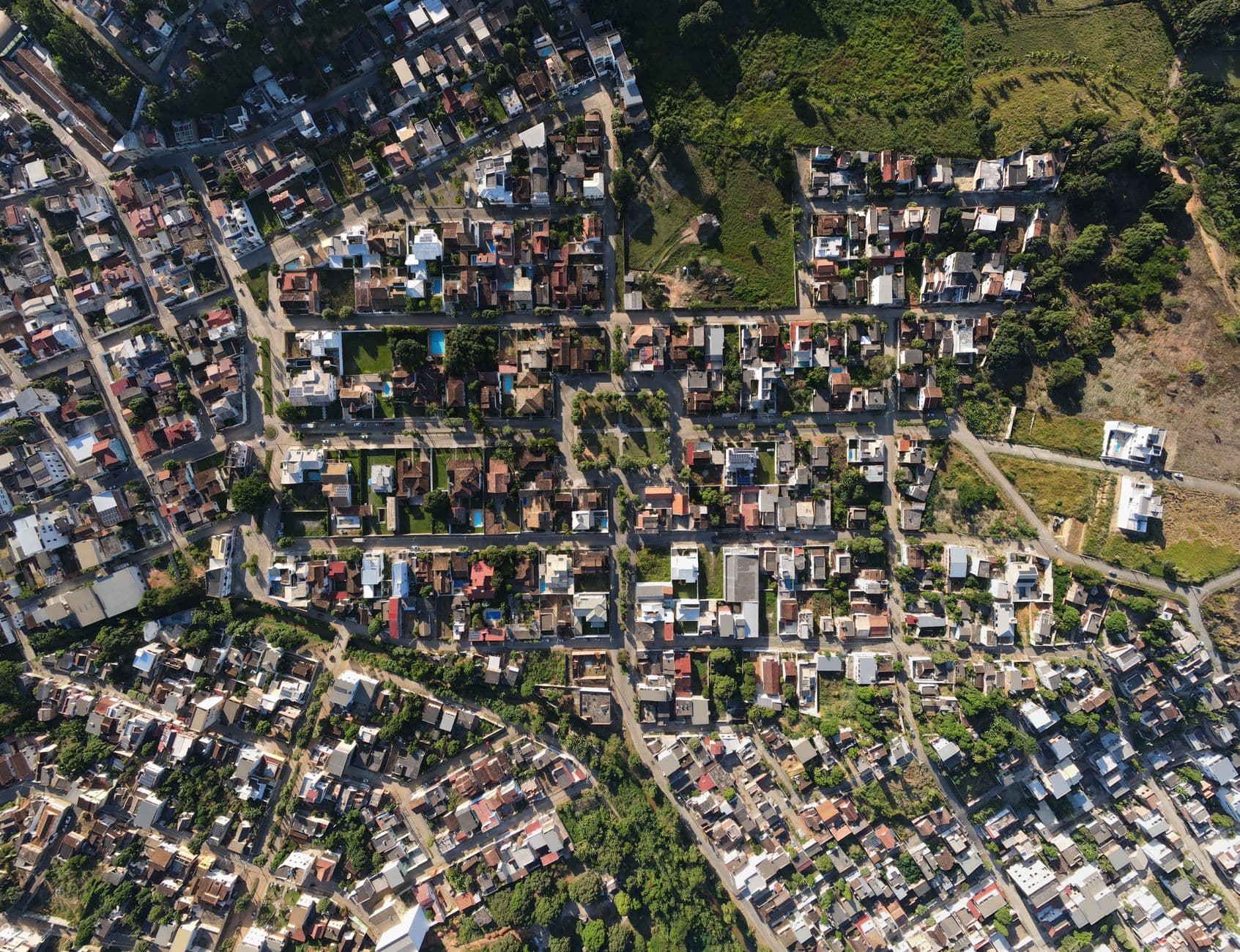
The expansion of Ultra Low Emission Zones (ULEZ) has moved past the realm of environmental policy and into the territory of clinical practice. For decades, we treated the city as a static backdrop to human health, a place where we simply tried to mitigate the 'necessary' harms of industrial life. We were wrong. The latest data on pediatric respiratory recovery in restricted zones reveals that the built environment functions as a biological lever, one capable of either stunting or restoring the physical development of the next generation.
When we talk about ULEZ, we are talking about the neuro-plasticity of the city itself and its direct impact on the physical plasticity of a child’s lungs. A 2019 study by King’s College London found that children living in high-pollution areas were developing smaller lung capacities, a deficit of approximately 5% that they might never recover. However, the aggressive shift toward low-emission mandates is proving that this damage is not a fixed tax on urban living. By removing the particulate matter, we aren't just 'cleaning the air'; we are redesigning the city as a medical intervention.
The Shift from Mitigation to Recovery
Historically, urban planning was a defensive game. We built parks to provide a 'respite' from the soot, or we added bike lanes to 'offset' the carbon footprint of a million idling engines. This was mitigation—an admission that the city was fundamentally toxic and needed small, green band-aids to remain habitable. The ULEZ model flips this script entirely. It treats the street as a piece of medical infrastructure where the absence of nitrogen dioxide (NO2) is as critical as the presence of a sterile field in an operating theater.
This is a fundamental change in how we perceive the 'cost' of urban living. In London, since the ULEZ expansion, NO2 concentrations in the central zone have dropped by nearly 50% compared to a scenario without the policy. This isn't just a statistical win for the Department for Transport; it is a physiological win for every child walking to school. When the environment stops attacking the lungs, the body begins a process of recovery that was previously thought impossible in an urban context. We are moving from a philosophy of 'less harm' to one of 'active healing.'

Photo by Freek Wolsink on Pexels
Infrastructure as a Biological Variable
If we accept that city streets are clinical spaces, we must rethink every aspect of urban design. Traffic flow is no longer a logistical problem of moving 5,000 cars per hour; it is a biological variable that determines the peak expiratory flow of a ten-year-old. When a city council decides to expand a low-emission zone, they are essentially prescribing a treatment plan for the entire population. This elevates the urban planner to the status of a public health official, wielding zoning laws like a scalpel to excise the sources of chronic inflammation.
Consider the implications for property values and social equity. For too long, respiratory health was a luxury good, available only to those who could afford to live far from the arterial roads that pump toxins into the lungs of the poor. By implementing blanket ULEZ policies, we are democratizing biological potential. We are ensuring that a child’s zip code does not determine the volume of air they can pull into their chest. This is not about 'hating cars'; it is about the ethical necessity of protecting the physical development of humans who have no vote and no voice in the planning process.
The Architecture of the Breath
The next phase of this evolution will see the integration of 'living' materials into the very fabric of our buildings. If the street is a clinic, the buildings must be the equipment. We are already seeing the rise of smog-eating concrete and titanium dioxide coatings that break down pollutants on contact. But these are still reactive technologies. The future lies in a proactive architecture that treats the movement of air as a sacred geometry, designed to maximize filtration and minimize the stagnation of toxic plumes.
- Micro-Climatic Zoning: Tailoring emission restrictions to the specific wind patterns of a street to prevent 'pollution canyons.'
- Arterial Reforestation: Using dense, multi-layered vegetation not for aesthetics, but as high-capacity particulate filters.
- Bio-Integrated Transit: Prioritizing electric micro-mobility that integrates directly with building ventilation systems.
This level of integration requires a departure from the siloed thinking of the 20th century. An architect cannot just care about the aesthetic of a facade; they must care about the turbulence it creates in the street below. A civil engineer cannot just care about the load-bearing capacity of a bridge; they must care about the respiratory load of the traffic it carries. Every line drawn on a blueprint is a line drawn on a medical chart.

Photo by Aniket Suryawanshi on Pexels
What This Actually Means
The success of ULEZ is a proof of concept for a much larger idea: the city is not a place where we live despite the environment, but because of it. We have spent a century treating the urban landscape as a machine for commerce, often at the direct expense of our own biology. The measurable recovery of children’s lungs in these zones proves that the damage we did is reversible if we have the political will to treat the city as a living, breathing organism.
We are entering an era of 'Clinical Urbanism.' In this new framework, the metric of a successful city is no longer its GDP or its throughput, but the lung capacity of its youngest citizens. If a city is making its people sick, it is a failed design, regardless of its economic output. The ULEZ expansion is the first major step toward a world where the built environment is a partner in human health rather than a silent antagonist.
This shift will be uncomfortable. It will require us to surrender the convenience of the private internal combustion engine in exchange for the long-term biological viability of our species. But the choice is clear. We can have cities that move cars, or we can have cities that grow healthy humans. We can no longer afford to do both.
Quick Answers
Does ULEZ actually help children's health?
Yes; studies show that reducing NO2 and particulate matter directly correlates with increased lung growth and fewer asthma-related hospitalizations in urban youth.
Is this just about air quality?
No, it is a total shift in urban philosophy that treats city design as a medical intervention rather than just a logistics or aesthetic problem.
Can the damage from pollution be reversed?
While some scarring can be permanent, pediatric lungs are highly plastic; removing triggers during developmental years allows for significant recovery and improved long-term function.


