The Most Expensive Archaeological Dig in Iceland
CCP Games just finished a task that sounds about as fun as auditing a graveyard: porting the entirety of EVE Online from Python 2.7 to Python 3. For the uninitiated, EVE is a game where people pretend to be space tyrants while actually managing very complex Excel spreadsheets. The game is twenty years old, which in internet years makes it roughly as ancient as the Code of Hammurabi, and its codebase, the 'Carbon' engine, was a structural nightmare of legacy scripts and prayers.
Imagine a house where the plumbing was installed in 2003, but every time you try to fix a leak in the bathroom, the kitchen light turns off and the garage door opens. That was EVE. Developers were literally fighting against 'bit-rot,' a charming term for the fact that digital information doesn't actually last forever unless you babysit it with the intensity of a helicopter parent. They weren't just updating a game; they were performing open-heart surgery on a patient who was simultaneously trying to win a dogfight in a multi-billion ISK titan.
This migration wasn't a choice made out of a love for progress. It was a desperate scramble for survival. Python 2.7 reached its 'End of Life' in 2020, meaning the very foundation EVE was built on was officially a corpse. Most companies would have just let the game slowly dissolve into a puddle of unplayable errors, but EVE players are a special breed of obsessive who would probably sue the sun if it burned out and ended their trade routes. So, the developers spent years untangling code written by people who likely don't even work in the industry anymore.
A Monument to Our Own Refusal to Move On
We love to talk about the 'permanence' of the internet, but the EVE migration proves that the digital world is actually a fragile ecosystem of rotting dependencies. The fact that it took a massive, multi-year engineering effort just to move from one version of a programming language to the next is a hilarious indictment of how we build things. We build digital cathedrals on top of swamp land and then act shocked when the floor starts sinking.

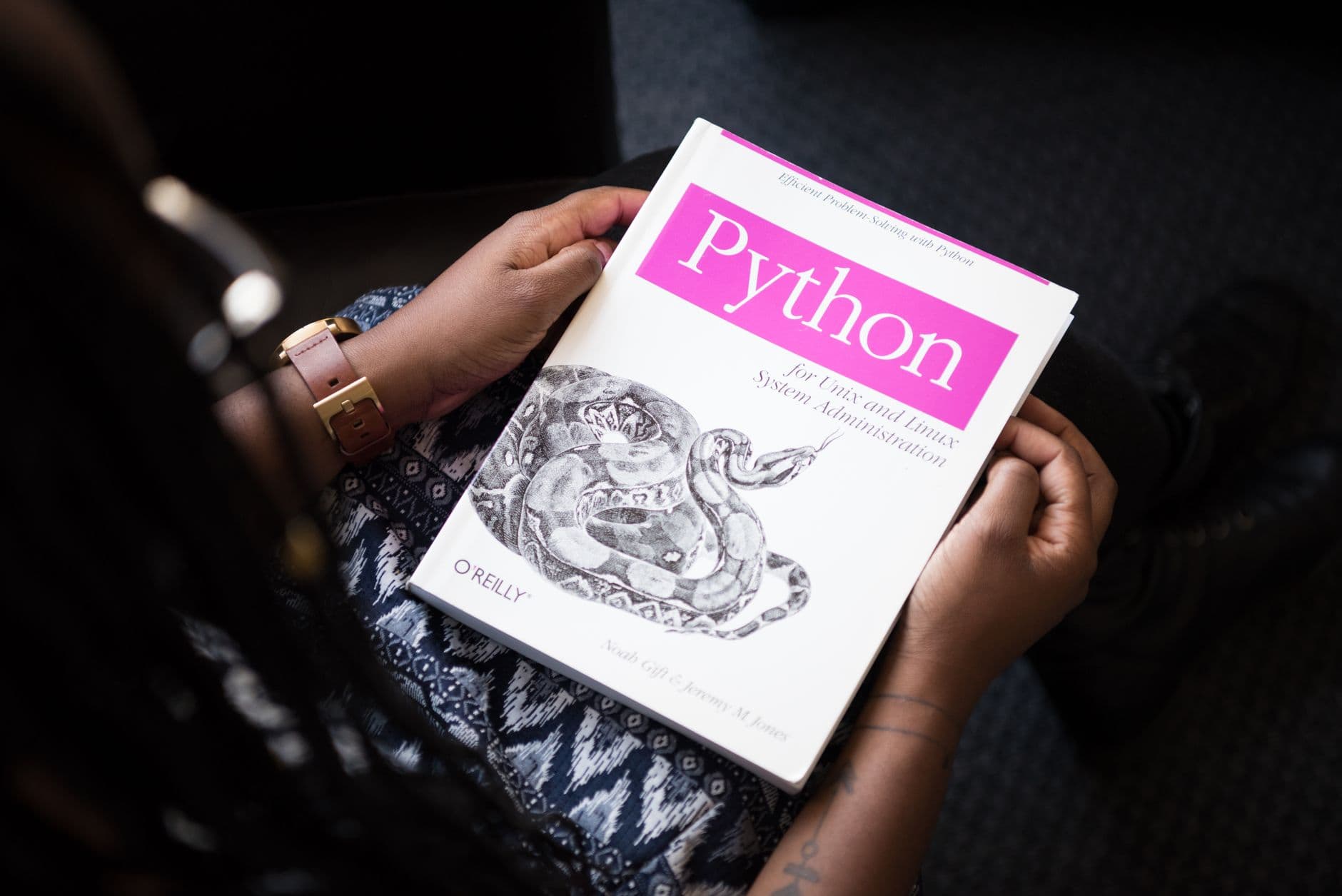
Photo by pipop kunachon on Pexels
There is something deeply ironic about the 'preservation' of digital legacies. We are pouring thousands of man-hours into ensuring that a virtual economy—one that has seen literal wars over space-pixels—doesn't vanish into the ether. It’s a landmark moment in internet culture, sure, but mostly because it highlights that we are now in the business of digital taxidermy. We are stuffing the 2003 internet so it can sit on our shelf and look alive for another twenty years.
If you look at the technical blogs CCP released during this process, they read like dispatches from a war zone. They had to deal with 'Stackless Python,' a fork of the language so niche it’s practically a subterranean cult. They were hunting down bugs that had been dormant since the Bush administration. It’s a miracle the game didn’t just collapse into a single, giant 'SyntaxError' that wiped out two decades of space-capitalism.
The Social Cost of Not Deleting Anything
Why do we do this? Because EVE Online isn't just a game; it’s a social experiment that people have invested their entire adult lives into. If the servers went dark because of a Python version mismatch, there would be a legitimate mourning period. The struggle to keep 'living' digital worlds from collapsing is really just a struggle to prevent ourselves from having to face the reality that none of this stuff is real.
We treat these databases like they are the Library of Alexandria. We act as if losing a history of who backstabbed whom in a virtual asteroid belt would be a tragedy for the human race. So, we pay engineers six-figure salaries to go back in time and fix the mistakes of 2003 programmers who were probably caffeinated on Jolt Cola and didn't think the game would last past the weekend. It’s a cycle of technical debt that ensures we spend the future just trying to keep the past functional.
- The migration involved millions of lines of code.
- Python 2.7 was released in 2010 and supported for a decade longer than it should have been.
- EVE has survived longer than most social media platforms, including MySpace and Vine.
- Some of the code being replaced was written before the iPhone existed.
What This Actually Means
The EVE migration is the ultimate proof that the 'cloud' is just someone else’s crumbling infrastructure. We are currently living through the first era of digital history that is actively trying to erase itself through software obsolescence. Every 'living' world is currently on a countdown clock toward a total system failure unless someone spends a fortune to port it to the next shiny thing.
This isn't an achievement to be celebrated; it’s a warning. We are building a culture on top of software foundations that have the structural integrity of a wet cardboard box. If it took this much effort to save a game about space-accountants, imagine the absolute catastrophe awaiting the rest of our digital infrastructure when the 'legacy' systems running our banks and power grids finally hit a version jump they can't survive.
In the end, CCP Games saved the universe. Specifically, a universe where people pay a monthly subscription to experience the thrill of middle management in a galaxy far, far away. We should all be very proud that the code written in a Reykjavik basement twenty years ago will continue to haunt us for another two decades. It’s the closest thing to immortality we’ve got, and it’s written in Python.
Quick Answers
Why did they have to do this?
Because the version of Python they were using was literally dying and no longer receiving security updates, making the game a giant, floating vulnerability.
Was it worth the effort?
Only if you think maintaining a 20-year-old virtual space-dictatorship is a vital service to humanity, which the players certainly do.
Will this happen again?
Inevitably, yes, because software is a treadmill of planned obsolescence and eventually Python 3 will be the 'ancient' garbage someone else has to fix.
What happens if they don't migrate?
The 'bit-rot' eventually wins, the bugs become unfixable, and the entire digital world vanishes like a Geocities page in a hurricane.


