The Boreal Bromance We Didn't Ask For
Finally, the European Union has looked across the Atlantic and realized that Canada is basically just a giant, colder version of Sweden with better manners and more maple syrup. By inviting Canada into the fold as an "Associate Member," the EU isn't just seeking a trade partner; they are looking for a soulmate who enjoys reading 400-page regulatory frameworks as much as they do. This isn't about moving grain; it’s about a spiritual alignment of people who think a tomato isn't really a tomato unless it has been certified by three separate sub-committees.
The proposed "Boreal Agricultural Alliance" is a stroke of genius for anyone who finds the current global food supply chain far too efficient and affordable. By tethering Canada’s massive northern acreage to the EU’s "Farm to Fork" strategy, we are witnessing the birth of a geopolitical entity dedicated to the idea that sustainability is best achieved through the medium of the Excel spreadsheet. It’s a beautiful vision of a world where the dirt is clean, the tractors are electric, and the bread costs twelve dollars a loaf.
Regulation as the New Great Wall
Let’s be honest about what "high-standard trade barriers" actually are: they are the velvet ropes of the global economy. By adopting the EU’s stringent standards, Canada is essentially joining a private club where the entry fee is a mountain of paperwork that the United States and Brazil simply can't be bothered to fill out. Why compete with the raw industrial might of an American monoculture when you can simply declare their corn "insufficiently virtuous" and ban it from the party?
- The EU’s Farm to Fork strategy aims to reduce pesticide use by 50% by 2030.
- Canada has roughly 160 million acres of farmland, much of it currently shivering.
- This alliance would control a significant portion of the world's non-tropical arable land.
This isn't protectionism; it’s "sovereignty with a conscience." It’s the regulatory equivalent of a boutique coffee shop refusing to serve anyone who doesn't know the name of the farmer who picked the beans. If the US and Brazil want to keep feeding the world with their tacky, efficient industrial methods, they can go right ahead—while Canada and the EU sit in the corner, nibbling on artisanal, carbon-neutral crackers and judging everyone’s nitrogen runoff.
The Climate-Resilient Frozen Tundra
There is something deeply poetic about banking the future of global food security on the Canadian North. As the rest of the planet turns into a convection oven, the EU is pivotally eyeing the Yukon like a suburban dad eyeing a fixer-upper shed. They see "climate-resilient northern acreage," which is a very polite way of saying "land that is currently a frozen wasteland but might be a decent place to grow cabbage by 2050."
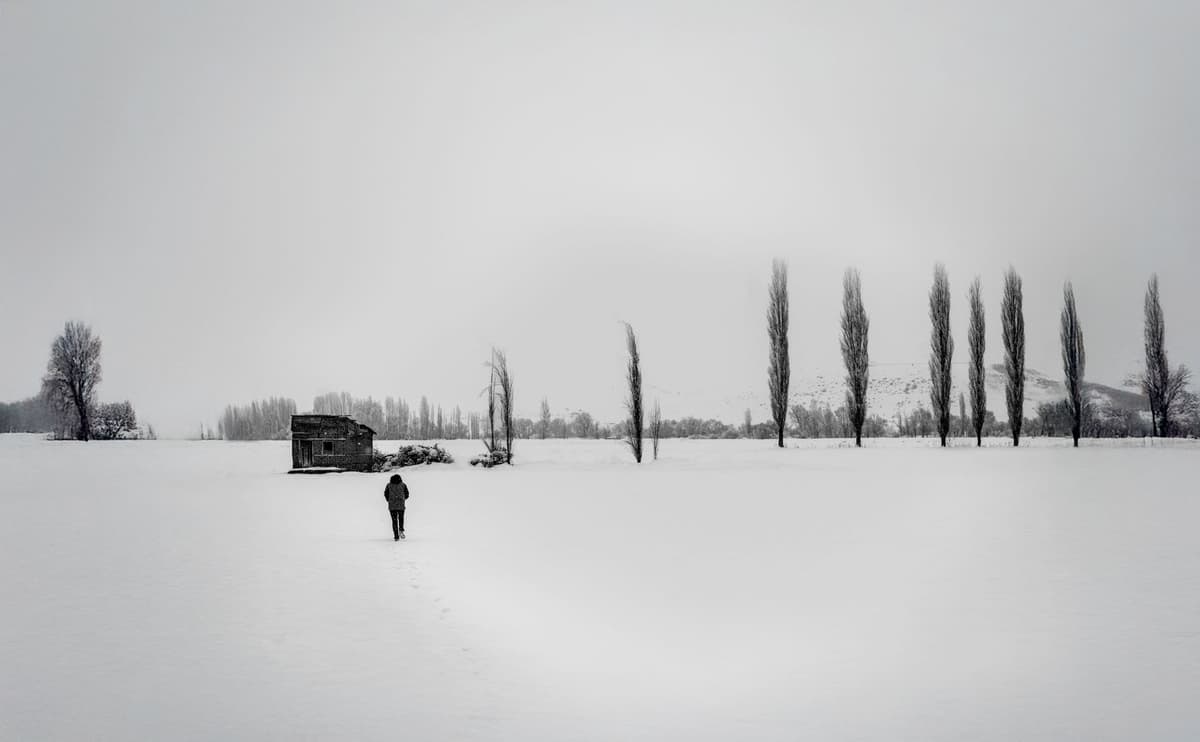
Photo by Recep Ürgen on Pexels
It’s a long-term play, certainly. While the rest of the world worries about immediate crop failures in the 2020s, this alliance is playing 4D chess with permafrost. They are betting that the future of humanity depends on our ability to transform the boreal forest into a high-tech garden governed by the same people who decided that a USB-C cable must be the universal standard for all eternity. It’s comforting to know that even in a climate apocalypse, the bureaucracy will be impeccably maintained.
What This Actually Means
This shift toward Associate Membership signals that the world is splitting into two camps: those who want to eat, and those who want to eat correctly. By aligning with the EU, Canada is choosing to exit the messy, low-margin world of global commodity trading in favor of a high-end niche market where the primary export is moral superiority. It’s a bold strategy to use environmental regulations as a moat to keep out the unwashed masses of the global South and the overly-automated masses of the Midwest.
In the short term, expect a lot of press releases featuring politicians in expensive parkas shaking hands in front of wheat fields. In the long term, expect your grocery bill to reflect the immense cost of ensuring that every single Canadian lentil has been raised in accordance with the cultural sensibilities of a Brussels bureaucrat. It’s a small price to pay for the peace of mind that comes from knowing your dinner was produced with the maximum possible amount of administrative oversight.
Ultimately, the Boreal Agricultural Alliance is the ultimate luxury brand. It’s food for people who find the concept of "abundance" a bit gauche. By the time the 2030 targets hit, we might not have the cheapest calories on the block, but we will definitely have the most ethically sourced, legally compliant, and environmentally audited kale in human history. And isn't that what truly matters?
Quick Answers
Will this make my groceries cheaper?
No, quite the opposite, as paying people to fill out forms is significantly more expensive than just growing food.
Is Canada actually becoming a member of the EU?
No, they are becoming an "Associate Member," which is the geopolitical equivalent of being "just friends" but still paying for dinner.
What does the US think about this?
They are likely too busy counting their massive yields of genetically modified corn to notice that their neighbor is joining a book club about soil health.