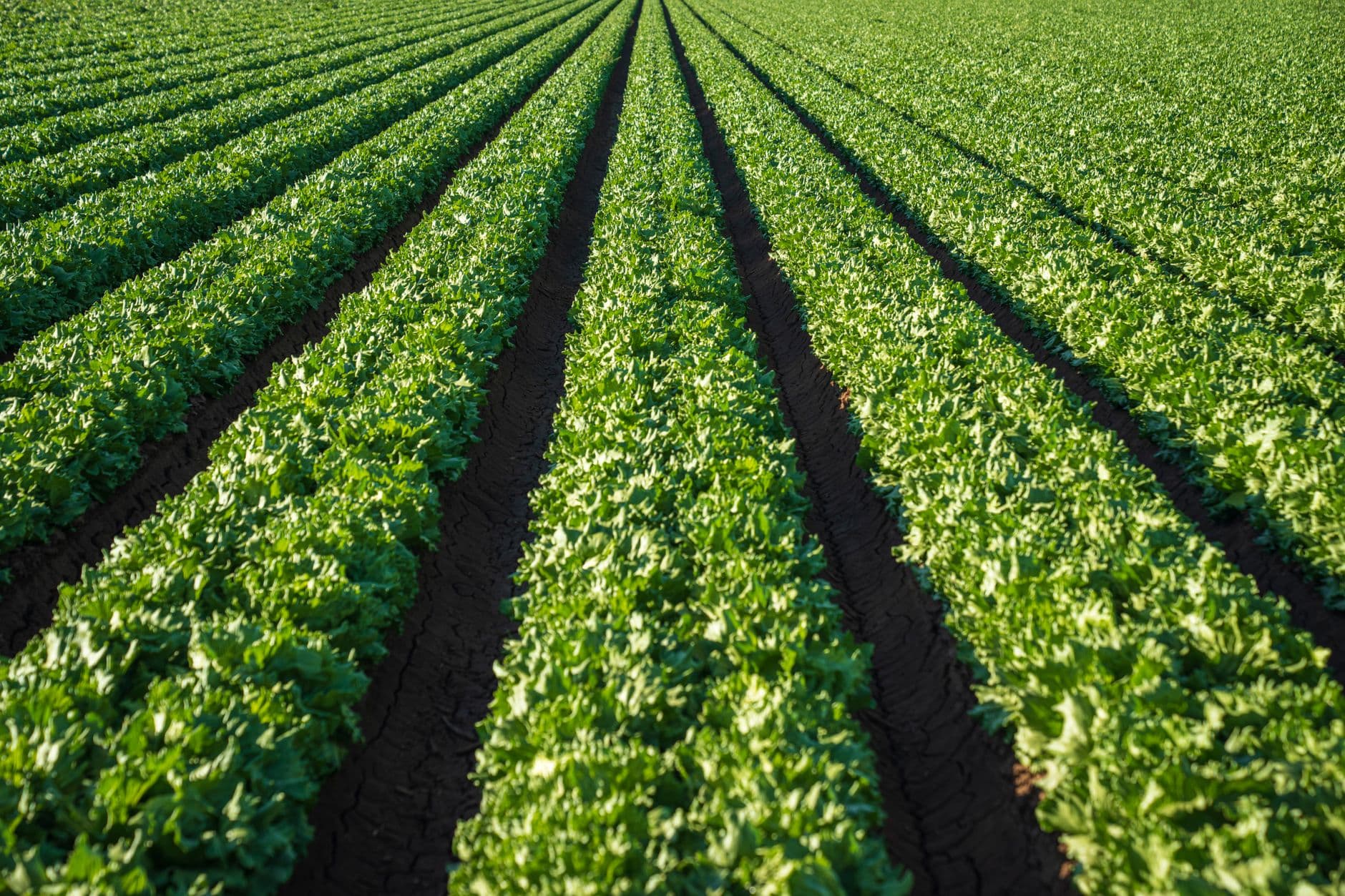
Your Lettuce Is Just Collateral Damage
It turns out that the secret ingredient in your high-speed internet is actually a light dusting of acidified soil. The EPA is currently eyeing a plan to streamline—which is government-speak for "ignore"—the public review process for data center pollution. Specifically, they’re looking at the massive backup generators that kick in every time the grid flinches. These machines are essentially industrial-sized lungs that exhale nitrogen oxides (NOx) directly onto the neighboring specialty crops. If you’ve ever wondered why your organic arugula tastes like a diesel engine, you’re finally getting an answer.
This isn't just about a little extra smog; it's a fundamental reimagining of the food chain. We are choosing to prioritize the storage of billions of blurry vacation photos over the delicate nitrogen balance required for high-yield agriculture. The logic is flawless. You can’t eat a server, but you also can’t use a head of cabbage to host a SaaS platform. In the grand hierarchy of human needs, 99.999% uptime for a streaming service clearly sits several rungs above "soil that isn't toxic."
The Nitrogen-to-Server Exchange Rate
Farmers have spent decades perfecting the art of nitrogen management, carefully balancing soil health to ensure that specialty crops like berries and leafy greens don't turn into stunted, yellowing disappointments. Enter the data center. A single large-scale facility can house dozens of Tier 4 diesel generators. When these things run for testing or emergencies, they release enough NOx to effectively perform an unconsented chemistry experiment on every farm within a five-mile radius.
By scrapping the public review rules, the EPA is essentially telling farmers to stop being so dramatic about their livelihoods. It’s a bold move to suggest that the people growing our food should just "deal with it" so that a tech giant can save six months on a permitting timeline. We’re witnessing the birth of a new economic metric: the yield-per-byte. If a farm loses 15% of its crop to soil acidification, but the nearby data center increases its processing capacity by 20%, that’s what we call a win for the digital economy. Just don't try to dress the data in balsamic vinaigrette.

Why Public Oversight Is So Last Century
Public reviews are such a drag. They involve "facts" and "community concerns" and "scientific testimony" from people who actually understand how soil pH works. Who has time for that when there are LLMs to train? Removing these rules ensures that the conversation between a massive corporation and the federal government remains a private affair, undisturbed by the annoying complaints of people who own tractors. It’s much more efficient this way.
If we let every specialty crop farmer weigh in on the acidification of their land, we might never get that new northern Virginia server hub built. And then what? You’d have to wait an extra 40 milliseconds for a cat video to load? That’s a dystopian nightmare no one is prepared to face. The EPA is simply being pragmatic. They realize that in the future, we won't need soil because we'll all be living in a metaverse where the strawberries are perfectly red and never affected by nitrogen runoff.
What This Actually Means
This move signals a permanent shift in how we value physical resources versus digital ones. The "Nitrogen-to-Server" tradeoff isn't a glitch; it's the feature. We are actively deciding that the environmental cost of the internet should be subsidized by the agricultural sector. It’s a classic redistribution of wealth, where the wealth is "breathable air and fertile soil" and the recipient is a company with a trillion-dollar market cap.
When the EPA removes these hurdles, they aren't just cutting red tape; they're cutting the legs out from under local food security. We are building a world that is incredibly smart and increasingly hungry. But hey, at least when the local produce aisles are empty, we’ll have plenty of bandwidth to Google why everything is so expensive.
Eventually, the tech industry will probably invent a synthetic lettuce that thrives on diesel exhaust. Until then, maybe just try to appreciate the metallic tang of your salad. It’s the taste of progress.
Quick Answers
Will this actually make my internet faster?
No, but it will make the people building the data centers much wealthier by saving them millions in compliance and litigation costs.
Is acidified soil really that bad for crops?
Only if you like things to grow; nitrogen-saturated soil can kill the microbes necessary for plant life, effectively turning a farm into a very expensive parking lot.
Can't farmers just move away from data centers?
Sure, they can just pack up their multi-generational topsoil and several hundred acres of land and move it to a place where tech companies don't want cheap electricity and tax breaks.


