The $1,000 Brick in Your Kitchen Drawer
We have reached a peak of human achievement where we carry around supercomputers capable of billions of operations per second just to look at blurry photos of people we didn't like in high school. Then, every twenty-four months, we are told these miracles of engineering have become 'obsolete' because the new model has a slightly more rounded corner or a camera that can see through your clothes. So, we toss them into a drawer next to the dead batteries and the menus for a pizza place that closed in 2014.
Industry giants would love for you to believe that once a phone stops receiving the latest emoji updates, it essentially becomes a radioactive rock. They want you to participate in the circle of life: buy, use, break, trade-in for pennies, repeat. The idea that you could actually use the hardware you paid for after the marketing department has moved on is treated like a form of digital heresy. It is almost as if they didn't design these things to be useful tools, but rather high-priced subscriptions to a brand identity.
A UPS That Happens to Make Calls
Here is the hilarious reality that the server industry doesn't want to discuss: a discarded smartphone is functionally a high-performance, low-power server with a built-in Uninterruptible Power Supply (UPS). While enterprise data centers spend millions on massive lead-acid battery arrays to keep their racks humming during a blackout, your old Pixel 4 has a lithium-ion battery already tucked inside its chassis. If the power goes out, your home server doesn't crash; it just keeps running until it remembers it was supposed to be a phone.
Consider the power draw. A traditional home server—usually an old desktop PC that sounds like a jet engine taking off—pulls about 100 to 200 watts just to idle. A 'server-phone' sips about 2 to 4 watts. In an era where we are told to save the planet by using paper straws that dissolve in our drinks after three minutes, repurposing a Snapdragon processor is perhaps the only green initiative that actually works. You are literally saving a piece of high-grade silicon from a lithium fire in a third-world landfill while lowering your electric bill. It is almost too logical to be legal.

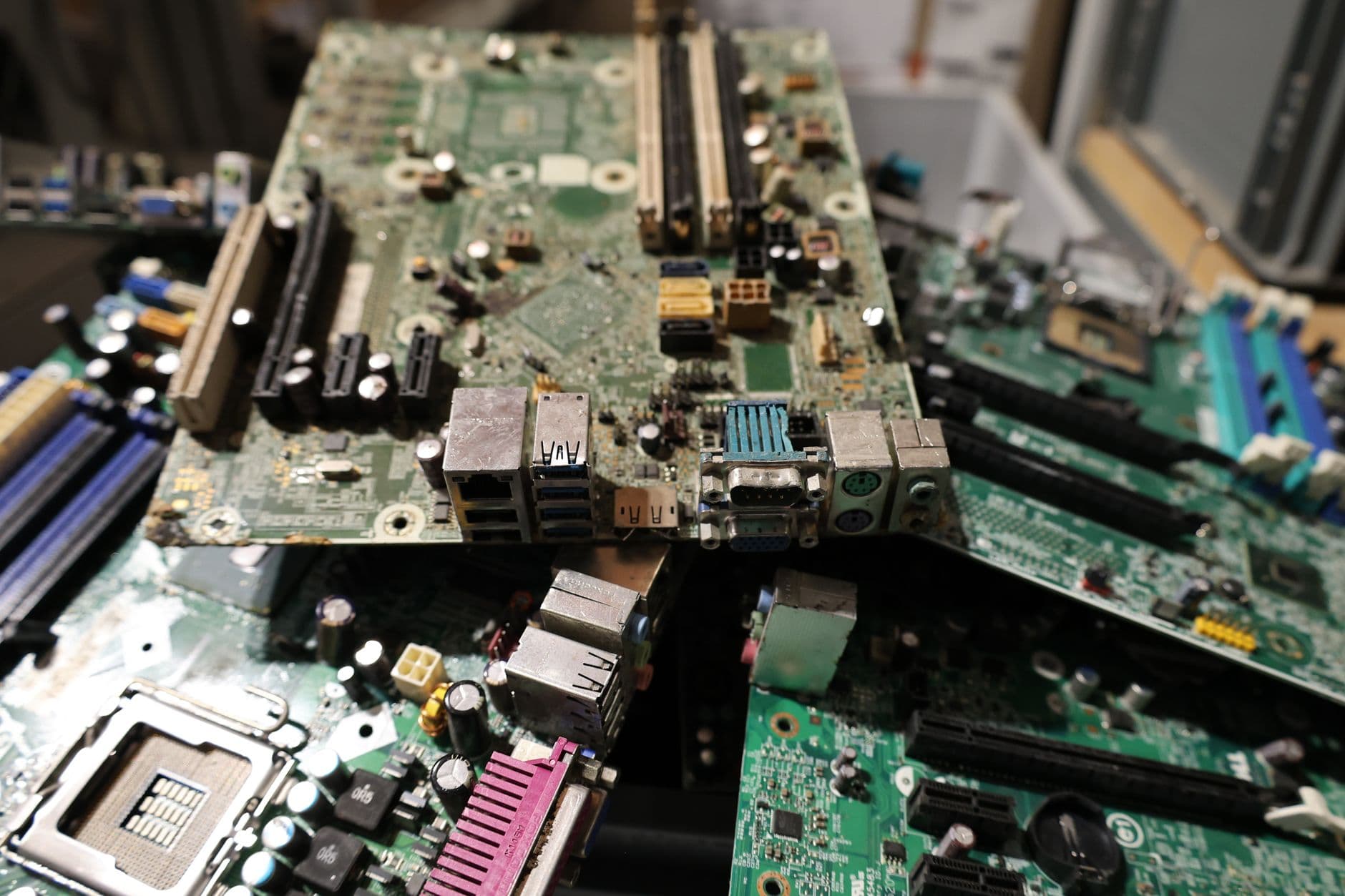
Photo by Brett Sayles on Pexels
The Software Ghetto
Of course, the hardware manufacturers have built magnificent walls to prevent you from doing this. They lock bootloaders and encrypt drivers because they are deeply concerned about your 'security'—specifically, the security of their next quarterly earnings report. They don't want you running a Linux kernel on an old iPhone; they want you to buy an iCloud subscription. The fact that enthusiasts have to use 'exploits' just to run a web server on hardware they technically own is a glowing testament to how much these companies respect their customers.
Despite these hurdles, the 'Server-Phone' movement is thriving. Tools like Termux or postmarketOS allow people to turn these abandoned slabs into ad-blockers, file servers, and smart home controllers. It is a beautiful irony: the device that was designed to track your every move and sell your data to the highest bidder is now being used to run a Pi-hole that blocks those very same trackers. There is a certain poetic justice in watching a 2019 flagship spend its retirement years actively sabotaging the industry that birthed it.
What This Actually Means
This isn't just about nerds playing with broken toys. It is a direct middle finger to the concept of planned obsolescence. By 2022, the world was generating over 60 million metric tons of e-waste annually. Most of that waste consists of perfectly functional processors that were simply orphaned by their software parents. When you turn a phone into a server, you are opting out of a cycle designed to keep you poor and the landfill full.
The industry will continue to make it harder. They will solder batteries, fuse chips, and lobby against Right to Repair laws with the fervor of a doomsday cult. They have to. If the average consumer realized that a five-year-old phone is still a technological marvel, the entire house of cards collapses. A 'server-phone' is more than a gadget; it is a confession that we have had enough power all along, and the only thing truly obsolete is the business model that told us otherwise.
Quick Answers
Is it safe to leave a phone plugged in 24/7 as a server?
Only if you enjoy spicy pillows; you should use a smart plug or software to limit the charge to 50-60% to prevent the battery from swelling.
Can an old phone really handle a heavy workload?
It won't render a 4K Pixar movie, but it will handle your home automation, file syncing, and DNS filtering without breaking a sweat.
Why don't companies just let us do this easily?
Because they can't sell you a 'Home Hub' for $200 if you realize the 'e-waste' in your junk drawer does the exact same thing for free.
Do I need to be a genius to set this up?
No, you just need a YouTube tutorial, a USB cable, and the willingness to accept that your phone is now a very small, very quiet computer.


