The Accidental Infrastructure of Tennessee
I’ve been staring at the maps of food deserts lately, and they look remarkably like the maps of 'book deserts' from thirty years ago. It makes me wonder if we’ve been looking at the hunger problem through the wrong lens. We treat food like a retail challenge—if we build a store, they will come. But in a town with one stoplight and a median income that makes your eyes water, the store never stays. The store is a liability.
Then you look at the Imagination Library. Since 1995, Dolly Parton has sent over 200 million books to kids. It’s not a store; it’s a subscription to a better future, delivered directly to a mailbox. The genius isn't just the philanthropy; it's the frictionless, last-mile logistics that ignore market viability entirely. If you have a mailbox, you get a book. What if we stopped trying to make rural grocery stores profitable and started treating a head of cabbage like a monthly installment of The Little Engine That Could?
Subscription Logistics vs. The Grocery Aisle
Agricultural cooperatives are starting to get weirdly excited about this, and I can see why. The current model for rural food is broken because it relies on the 'retail commodity' mindset. A grocer has to worry about spoilage, overhead, and whether or not people will actually show up to buy the kale before it turns into slime. It’s a high-risk gamble every single day.
But the 'Dolly Model' flips the script by using what I call subscription logistics. If a coop knows exactly how many families are in a zip code and they treat nutrition as a utility—like water or electricity—the waste disappears. You aren't stocking shelves and hoping for the best; you are filling a predetermined pipeline. Imagine a refrigerated version of the Imagination Library where the 'book of the month' is a crate of seasonal produce from a farm forty miles away, bypassing the three different middle-men who usually take a cut before the food even reaches a shelf.

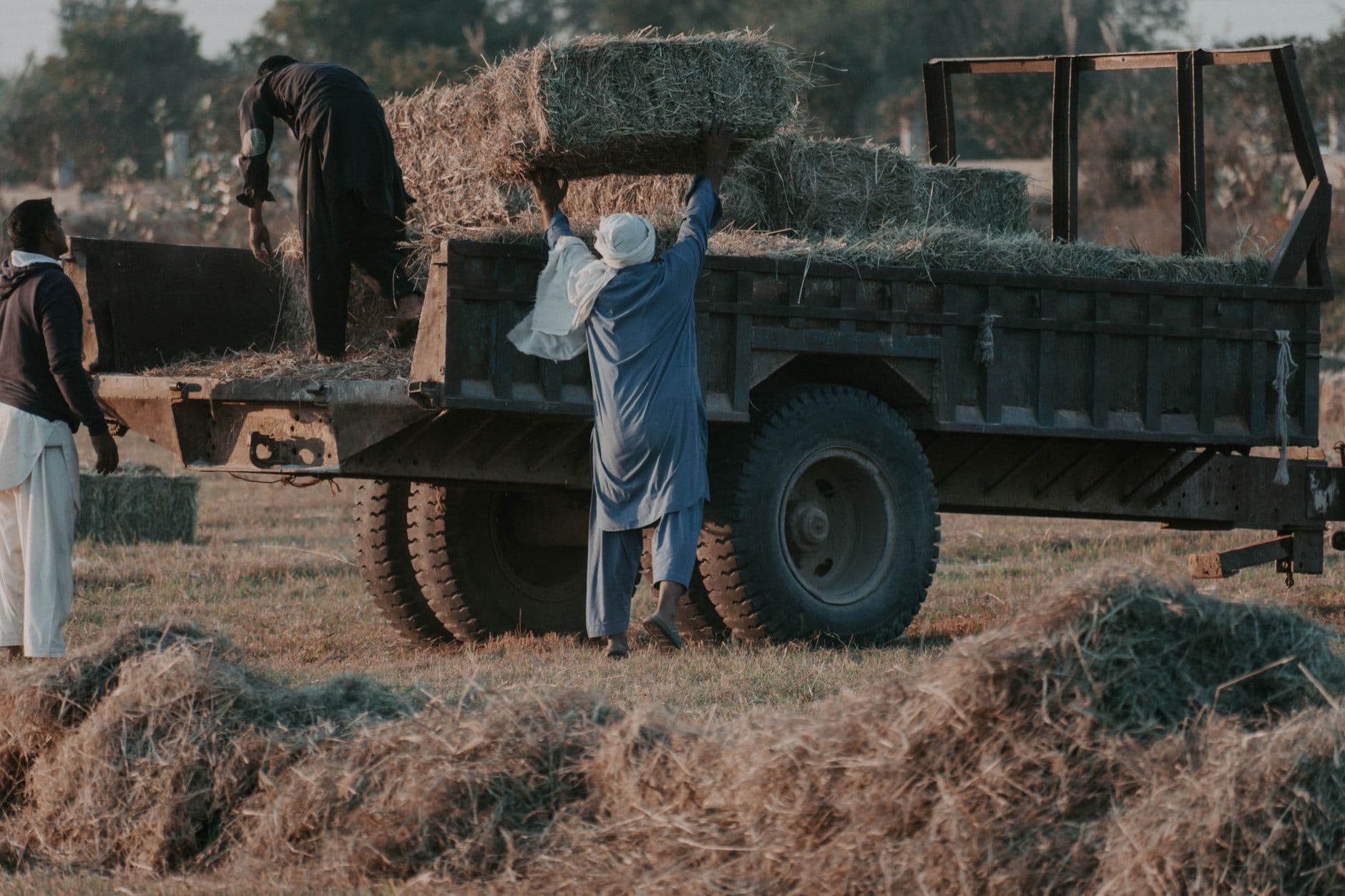
Photo by Tolga Ahmetler on Pexels
The Last Mile is the Only Mile
Why does this work for books but not yet for bok choy? It comes down to the mail. The USPS is the only entity that legally has to go to every single door, no matter how many dirt roads are involved. The Imagination Library leverages this existing, massive infrastructure to achieve a scale that even the most ambitious non-profits struggle to hit.
I’m curious about the technical hurdle of the 'cold chain.' Books don't wilt in a mailbox in July. However, we’re seeing a massive surge in smart-cooler technology and insulated packaging that could bridge that gap. If a cooperative can sync their harvest cycle with a localized delivery route, the 'last mile' problem becomes a simple scheduling problem. We are talking about moving the point of sale from a building that needs a roof and a staff to a box at the end of a driveway.
What This Actually Means
If we actually pull this off, it changes the definition of a 'food desert' from a geographical death sentence to a simple routing error. We spend billions on subsidies for crops that get turned into high-fructose corn syrup because that’s what fits into the industrial retail machine. If we redirected even a fraction of that toward the 'utility' of direct delivery, we might find that the problem wasn't a lack of food, but a lack of imagination in how it moves.
There is something beautifully subversive about a country singer’s literacy program providing the blueprint for the future of human caloric intake. It suggests that the solutions to our most 'modern' problems are actually sitting right there in the existing infrastructure we’ve been ignoring. It’s not about drones or high-speed rail; it’s about the mailman and a crate of apples.
Maybe the goal shouldn't be to bring the people to the food, but to make the food as ubiquitous as a birthday card. If we can guarantee a child a new book every month regardless of their parents' gas money, we have run out of excuses for why that same child can't have a fresh orange.
Quick Answers
Is this just a CSA with extra steps?
No, because traditional CSAs require the consumer to find the farm and pay a high upfront cost. This model treats delivery as a universal utility, often subsidized or integrated into public health budgets.
How do you keep the food from spoiling in a mailbox?
It requires a 'cold-chain' handoff, likely using reusable insulated totes or localized 'smart lockers' at post offices, rather than a standard metal mailbox.
Who pays for the logistics?
In many pilot programs, the cost is covered by healthcare providers who realize that delivering $50 of vegetables is significantly cheaper than a $15,000 hospital visit for diet-related illness.


