
The $1,200 Paperweight Problem
You just dropped twelve hundred bucks on a titanium-framed, laser-guided, super-computing glass slab that has more processing power than the entire planet had in 1970. You feel like a god. You feel like the master of the digital realm. Then you step outside, and your carrier—let’s call them 'Global-Com-Mega-Corp'—quietly whispers into your phone’s ear: "Hey, I know you paid for a V12 engine, but we’re going to go ahead and cap you at thirty miles per hour because we don't trust you with that much power."
Carrier profile inspection tools are the new X-ray specs for the tech-obsessed, and what they’re revealing is hilarious in a 'my house is haunted by a very petty ghost' kind of way. These hidden configuration files are essentially a list of chores and restrictions your phone has to follow. It’s like buying a brand-new house only to find a 400-page lease agreement hidden in the drywall that says you aren't allowed to use the second bathroom on Tuesdays or cook fish after 6:00 PM.
The Mystery of the Disabled Toggle
Crowdsourced data is showing that these carrier bundles are the reason that feature you saw in the keynote—the one that made you drool into your keyboard—is mysteriously missing from your settings menu. Your hardware is screaming, "I can do 5G Standalone! I can do high-bitrate voice calls! I can make you a sandwich!" and the carrier bundle is just standing there with its arms crossed saying, "No. You’ll take your spotty LTE and you’ll like it."
It’s a special kind of corporate gaslighting. You go to the store, the box says the phone supports X, Y, and Z. You get home, and Y and Z are grayed out or buried so deep in the sub-menus they might as well be in Narnia. The carrier isn't just a pipe for your data; they are the overbearing parent who insists on cutting the crusts off your sandwiches even though you’re thirty-four years old. They’ve disabled hardware capabilities you literally paid for, simply because it doesn't fit their 2014-era billing spreadsheet.
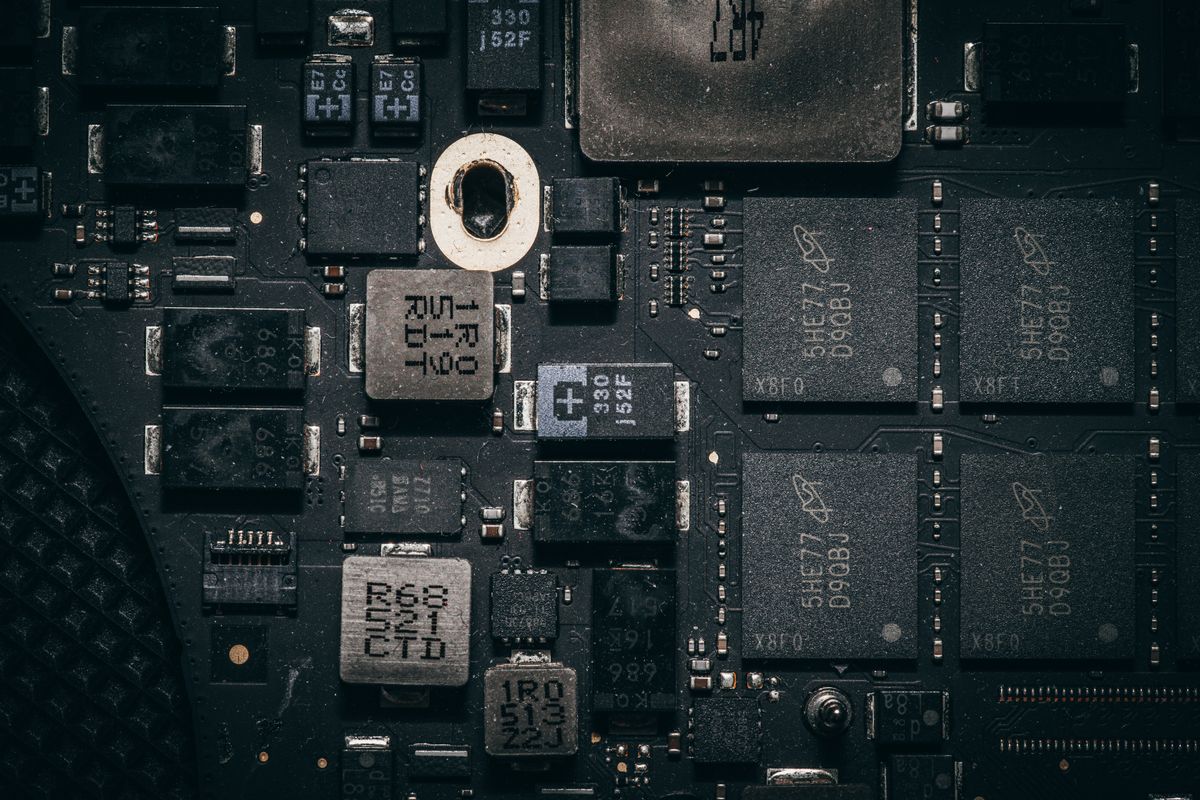
Photo by Jakub Pabis on Pexels
Tethering is the Ultimate Stick-Up
Let’s talk about tethering, the ultimate scam of the modern age. Your phone has data. Your laptop needs data. You want to bridge the two. But the carrier bundle has a specific line of code that checks to see if you’re trying to share your own internet with yourself. If it catches you, it pops up a window that basically says, "That’ll be fifteen extra dollars, pal. Nice laptop you got there. Be a shame if it... stayed offline."
Imagine if you bought a gallon of milk, and the grocery store followed you home to make sure you didn't pour any of it into a bowl of cereal for your friend. "Whoa, whoa, whoa!" the milk-policeman shouts, knocking the spoon out of your hand. "This milk is for direct consumption only. If you want to put it in a bowl, you need to upgrade to the Dairy-Sharing-Pro-Plus plan for an additional monthly fee." That is exactly how insane carrier-imposed tethering restrictions are.
The Ghost in the Machine is Just a Middle Manager
We used to think the 'Invisible Tether' was some high-level engineering necessity. We told ourselves, "Oh, they have to limit the data so the towers don't explode." But the more we look at these APN configurations and hidden flags, the more we realize it’s just bureaucratic laziness. They throttle video to 480p not because the network can’t handle 4K, but because they want to sell you a 'HD Pass' that costs as much as a fancy cocktail.
These tools are exposing the fact that our gadgets are being babysat by people whose primary goal is to make sure we never use the full potential of what we own. We are living in an era where the hardware is a Ferrari, but the software is a nervous DMV instructor who keeps slamming on the passenger-side brake every time you try to have a little fun. It’s time we admitted that the 'gatekeepers' are really just guys in suits named Gary who are terrified of a world where people actually get what they pay for.
What This Actually Means
This isn't just about being unable to stream Netflix in the woods. It’s about the fundamental ownership of the things we buy. When a carrier can reach into your pocket and remotely disable a chip inside your phone because it conflicts with their quarterly revenue targets, you don't really own that phone. You’re just long-term leasing a brick that they allow to be smart sometimes.
The rise of these inspection tools is the first step toward a consumer revolt. Once you see the strings, it’s much harder for the puppeteer to pretend they aren't there. We’re moving toward a world where 'unlocked' needs to mean more than just 'I can switch SIM cards.' It needs to mean 'I have total control over every transistor I paid for.'
Until then, we’re all just paying a premium to be told "no" by a cellular tower. If your phone feels slower than it should, or that one feature is missing, don't blame the engineers in California. Blame the carrier bundle hidden in your system files that’s currently busy sabotaging your fun to save four cents on bandwidth.
Quick Answers
Can I just delete the carrier bundle?
Technically yes, if you want your phone to become a very expensive calculator that can't even tell you the weather. You need some configuration, just not the parts that treat you like a criminal.
Why do they hide these settings?
Because if there was a button labeled "Click here to artificially slow down your YouTube videos," nobody would click it. Obscurity is the only way they get away with it.
Is my carrier definitely doing this?
Yes. Every single one of them is doing it to some degree. It’s the industry standard for being a buzzkill.

