
We have spent decades treating the human body as a statistical average rather than an individual reality. For most of modern medical history, a prescription has been little more than a calculated gamble based on how a drug performed for a few thousand people in a controlled trial. The emergence of bio-digital twins—sophisticated digital replicas informed by a patient’s own genetic and cellular data—represents the first genuine departure from this mass-market approach to survival.
This is not the vaporware of the Silicon Valley hype cycle. Unlike the fraudulent promises of a single drop of blood solving every ailment, bio-digital twinning is grounded in the hard science of induced pluripotent stem cells (iPSCs) and massive computational power. We are now at a point where we can test a chemotherapy cocktail on a digital and cellular proxy before a single milligram of toxic chemicals enters a patient’s actual bloodstream. The stakes are too high for anything less than this level of precision.
The Architecture of a Cellular Proxy
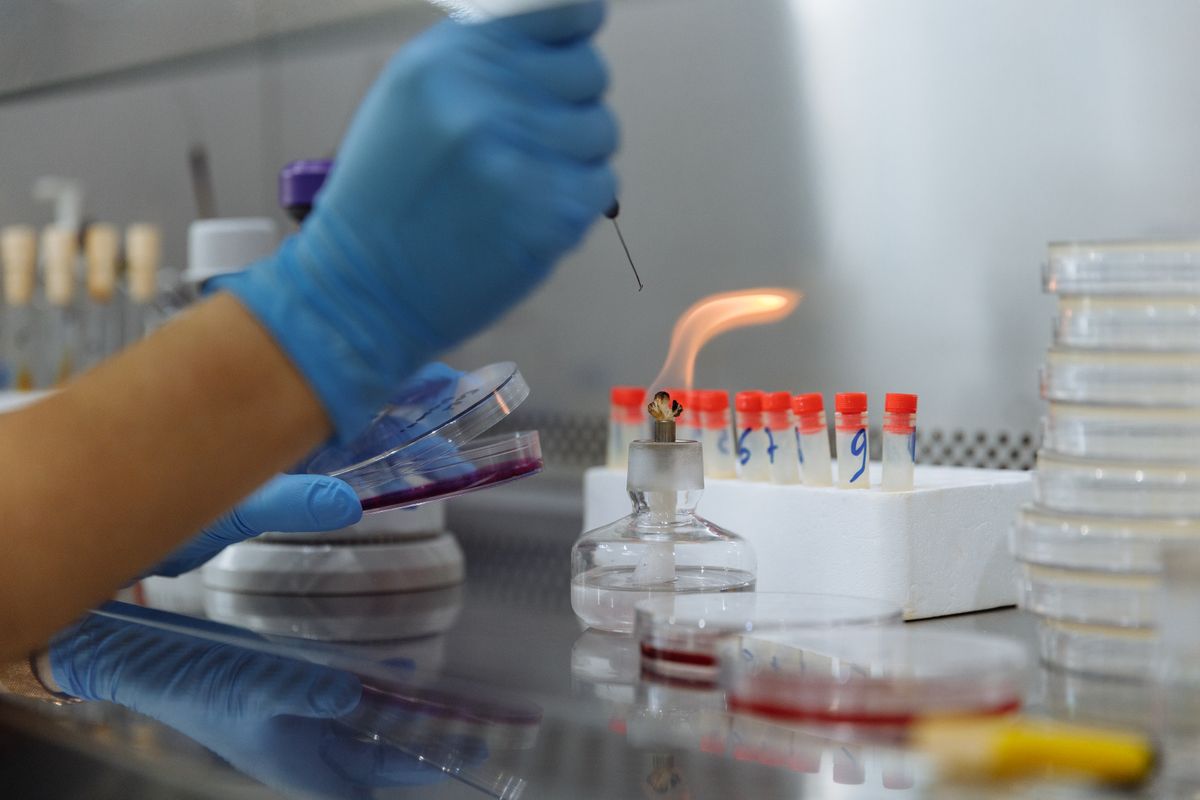
The fundamental shift here lies in the data source. Previous attempts at personalized medicine relied heavily on genomic sequencing, which tells us what might happen but rarely what will happen. Bio-digital twins go further by utilizing a patient’s own cells to create 'organ-on-a-chip' models. When you combine these physical cellular responses with AI algorithms trained on trillions of data points, the result is a predictive model that can simulate a drug’s metabolic pathway with startling accuracy.
In 2023, the FDA Modernization Act 2.0 began paving the legal way for this transition by no longer requiring animal testing for new drugs if alternative methods—like these simulations—prove effective. This is a massive regulatory pivot. It acknowledges that a computer model informed by human biology is often a more reliable predictor of human safety than a living mouse or primate. We are moving from observing biology to engineering its outcomes in a sandbox environment.
Moving Beyond the Theranos Shadow
It is impossible to discuss diagnostic breakthroughs without acknowledging the $9 billion ghost of Theranos. Elizabeth Holmes failed because she attempted to bypass the laws of physics and biology with a black box that no one was allowed to peer inside. Bio-digital twinning is the antithesis of that secrecy. It is a transparent, multi-layered process that requires verification at every step, from the initial stem cell harvest to the final algorithmic output.
Where Theranos offered a shortcut, this technology offers a deeper, more complex route to the truth. It requires an immense infrastructure of bioreactors and high-performance computing clusters. We are seeing a convergence of disciplines—molecular biology, software engineering, and fluid dynamics—that makes the 'one-click' diagnostic dreams of the past look like the toys they actually were. This is the industrialization of personalized care, and it is inherently rigorous.
The Economic Necessity of Simulation
Beyond the clinical benefits, the financial argument for digital twins is undeniable. The average cost to bring a new drug to market currently hovers around $2.6 billion, with a failure rate in clinical trials exceeding 90 percent. Much of that waste occurs because we cannot predict how a compound will interact with the infinite variables of human biology until it is often too late. Digital twins allow for 'in silico' trials that can weed out toxic or ineffective compounds in weeks rather than years.
By simulating the effects of a drug on thousands of digital variations of a specific patient profile, pharmaceutical companies can identify sub-populations that are most likely to respond favorably. This turns the traditional clinical trial model on its head. Instead of casting a wide net and hoping for a statistically significant result, researchers can refine their focus before the first human subject is ever recruited. The efficiency gains alone could fundamentally lower the ceiling on drug pricing, provided the savings are actually passed down the chain.
What This Actually Means
The transition to bio-digital twins means that 'personalized medicine' is finally losing its status as a marketing buzzword and becoming a technical requirement. We are entering an era where the physician’s role shifts from an expert in generalized protocols to a navigator of individualized simulations. The 'standard of care' will no longer be a static document, but a dynamic, data-driven path unique to the person standing in the exam room.
This shift also demands a new ethical framework. If we can predict with 99% certainty that a treatment will fail based on a digital twin, the moral weight of withholding or pursuing that treatment changes. We must ensure that this technology does not become a tool for insurance companies to deny care based on a simulation, but rather a tool for clinicians to find the one path that actually works. The technology is here; our primary task now is to ensure its implementation is as disciplined as the science behind it.
Quick Answers
Is this technology currently available for patients?
It is primarily used in high-stakes oncology and rare disease research today, but it is rapidly expanding into mainstream clinical trials for cardiovascular and neurological drugs.
How does a digital twin differ from a standard genetic test?
Genetic tests show your blueprint, while a bio-digital twin simulates how your body actually functions and reacts to external chemistry in real-time.
Will this replace human clinical trials entirely?
Not in the immediate future, but it will significantly reduce the number of human participants needed and ensure those who do participate are much more likely to benefit safely.

