The End of the Elastic City
The permanent sealing of the Groningen gas field is not merely a technical decommissioning; it is an admission of failure in the contract between industrial extraction and human safety. Since 1963, the Slochteren field fueled the Dutch economic miracle, but the cost was a slow-motion geological collapse that resulted in over 1,600 recorded earthquakes. By pumping billions of cubic meters of gas out, the state effectively hollowed out the foundation of its own citizens' lives. Now, the literal injection of cement into the earth marks the end of an era where architecture was forced to be sacrificial.
For decades, the urbanism of this region was defined by 'subsidence-reactive' engineering. This was a polite term for buildings designed to bend so they wouldn't shatter. We saw the rise of lightweight timber frames and flexible joints, a departure from the heavy, dignified masonry that defines the Dutch identity. The sealing of the wells represents a hard pivot back to the earth as a reliable platform rather than a shifting enemy. We are witnessing the birth of 'post-extraction' urbanism, where the goal is no longer to survive the ground, but to restore it.
The Architecture of Reparation
The scale of the damage is staggering. Over 250,000 damage claims have been filed, and the Dutch government has committed roughly €22 billion to the reinforcement and compensation of the region. This isn't just about patching cracks in walls; it's about a total structural overhaul of thousands of homes. In towns like Loppersum, the visual landscape has been a graveyard of scaffolding for years. The move back to traditional masonry is a psychological necessity as much as a technical one. People want to live in houses that feel heavy and permanent again.

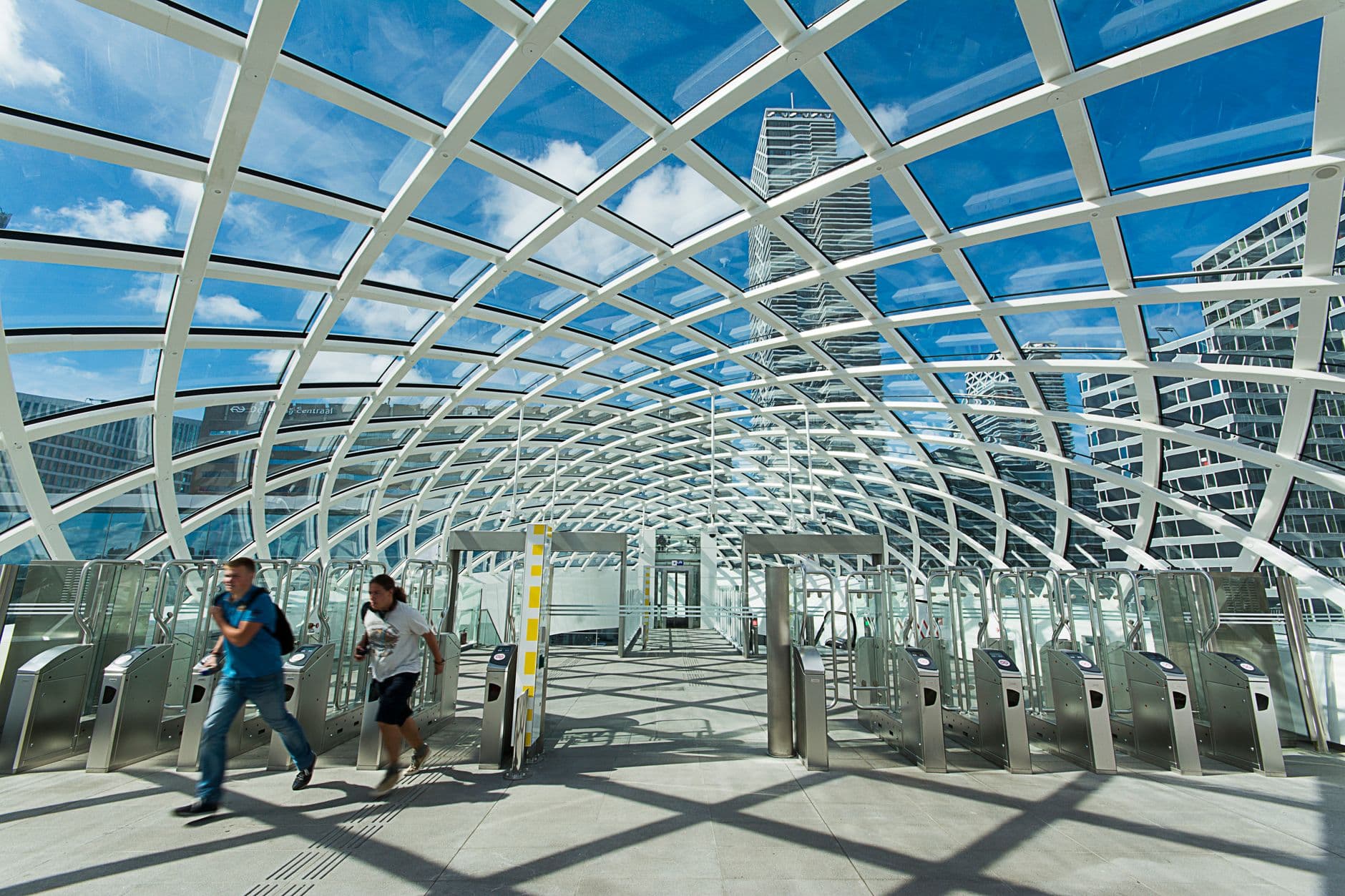
Photo by Bipu Das Kajol on Pexels
This transition requires a radical rethinking of the local supply chain. During the peak of the seismic crisis, the priority was speed and flexibility. Now, the laboratory for decommissioning-led restoration is looking at how to integrate the scars of the past into the designs of the future. We are seeing architects experiment with 'seismic memory' in their designs—using the very reinforcements that once saved the buildings as aesthetic features. It is a way of acknowledging that while the wells are closed, the history of the tremors remains baked into the streetscape.
Geothermal Futures in Abandoned Boreholes
Closing the gas taps creates a massive energy vacuum, but the infrastructure left behind offers a strange, poetic utility. The same boreholes that once extracted the fuel causing the quakes are now being evaluated for thermal repurposing. By tapping into the geothermal potential of these deep shafts, Groningen can transition from a site of extraction to a site of circular heat. This isn't just a green pivot; it's an act of reclaiming the industrial wounds inflicted on the landscape.
- The deep subsurface temperatures in the region offer a consistent heat source for district heating networks.
- Reusing existing boreholes significantly reduces the astronomical cost of new geothermal drilling.
- This approach transforms a liability—the abandoned well—into a community asset, providing a sense of justice for the affected residents.
The challenge lies in the engineering of the seal itself. To prevent gas leaks and ensure seismic stability, the wells must be plugged with specialized cement that can withstand geological pressure for centuries. This creates a tension between the need to permanently bury the past and the desire to use the holes as straws for clean energy. The Dutch are currently navigating this technical tightrope, proving that decommissioning is not the end of a site's life, but the beginning of its most complex chapter.
What This Actually Means
The Groningen experiment is a warning to every nation currently banking its future on subterranean extraction. It proves that the 'externalities' of the fossil fuel industry eventually become internal structural realities that can no longer be ignored. When a house in a quiet village becomes a liability because of a gas field fifty miles away, the economic math of the energy industry is fundamentally broken. The cement being poured into those wells today is the most expensive mortar in history.
This transition back to masonry and stability is a reclamation of the right to build for the long term. For sixty years, the Dutch traded the literal ground beneath their feet for a seat at the global energy table. The cost was the degradation of their architectural heritage and the safety of their people. As the region settles into its post-gas identity, it serves as a global model for how to retreat from an extraction economy with dignity, even if that dignity has to be built brick by heavy brick.
Quick Answers
Why is the Groningen field being closed permanently?
Decades of gas extraction caused massive land subsidence and hundreds of earthquakes, making the region increasingly uninhabitable and causing billions in property damage.
What is 'subsidence-reactive' engineering?
A method of building using flexible materials and joints designed to withstand ground movement and tremors without collapsing, often sacrificing traditional aesthetics for safety.
Can the abandoned wells actually be used for heat?
Yes, through deep geothermal energy recovery, where water is circulated through the boreholes to extract heat from the earth's crust, repurposing the old gas infrastructure for clean energy.


