
The Ocean Floor Just Dropped a Surprise Album
For my entire existence, I’ve been told that oxygen requires sunlight, plants, and a general lack of crushing abyssal pressure. Biology 101 was very clear: no sun, no fun, no oxygen. Then along comes Professor Andrew Sweetman and his team at the Scottish Association for Marine Science to tell us that the pebbles at the bottom of the Pacific are basically living batteries. These polymetallic nodules—which look like burnt tater tots and are about as charismatic as a damp sock—are splitting water molecules into hydrogen and oxygen via electrolysis. In the pitch black. At four miles down.
Imagine walking into a sealed, dark basement that hasn't been opened in forty years and finding a thriving colony of aerobics instructors. That is the level of 'what the hell' we are dealing with here. We used to think life started in shallow tide pools because that’s where the light was. Now, it turns out the basement was wired for electricity the whole time. This discovery doesn't just nudge the needle on the origins of life; it snaps the needle off and throws it into a trench.
Your AA Battery is Now a Biological Hero
These nodules are essentially natural batteries. They carry a charge of up to 0.95 volts. If you string a few of them together, you’ve got enough juice to power a remote control or, apparently, jumpstart the entire concept of aerobic evolution. We call it 'dark oxygen' because it sounds like something a Sith Lord would use to keep his lungs clear, but it’s actually just a geochemical miracle occurring in the Clarion-Clipperton Zone.
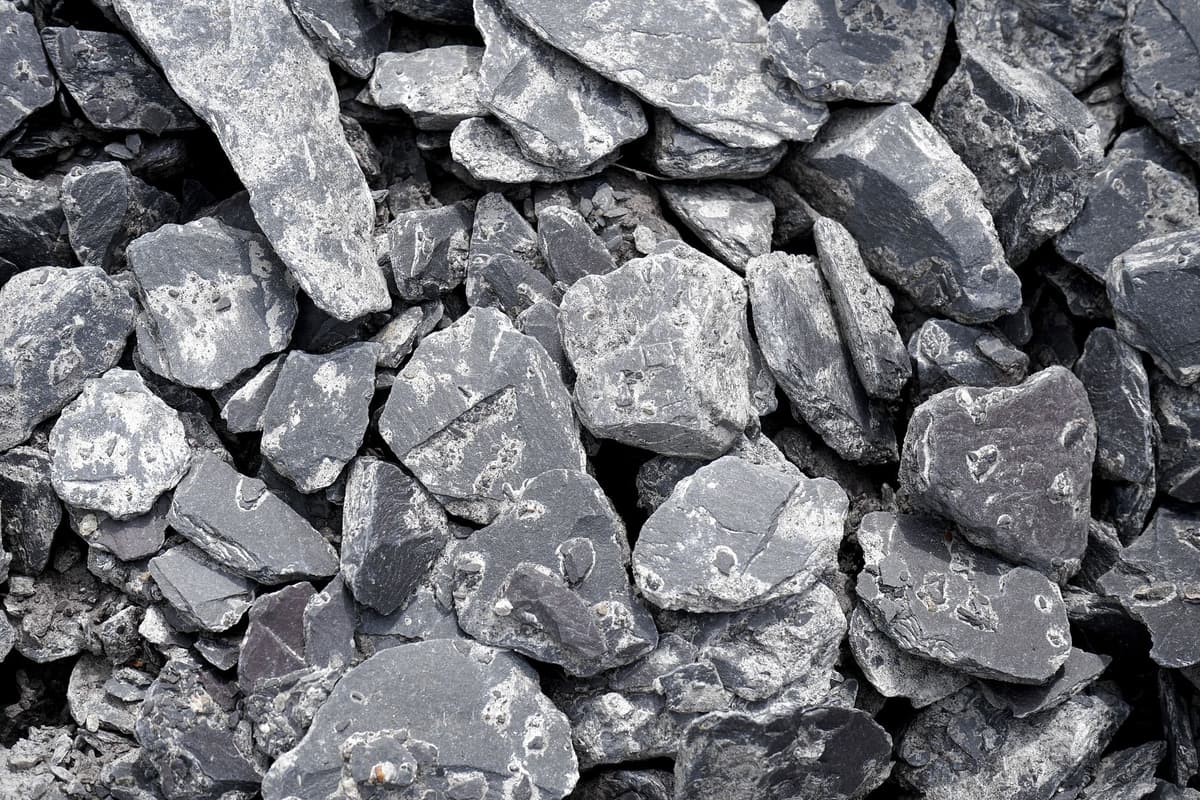
Think about the sheer audacity of these rocks. While we’ve been up here stressing about solar panels and wind turbines, the pebbles have been down there doing chemistry for millions of years without a single grant or a LinkedIn post. They don't need the sun. They don't need photosynthesis. They just need to sit there, look lumpy, and generate enough voltage to rip water apart. It makes my laptop battery look like a total failure by comparison.
- The nodules contain cobalt, nickel, and manganese.
- They produce about as much oxygen as a small forest, but without the annoying squirrels.
- They’ve been doing this since before humans figured out that fire was hot.
The Mining Industry is Having a Very Bad Day
This discovery is a massive buzzkill for the deep-sea mining industry. Companies have been drooling over these nodules for years because they contain the exact minerals we need to make 'green' batteries for electric cars. The pitch was simple: 'Hey, let's go vacuum up these useless rocks from the empty desert of the seafloor! No one lives there, it’s fine!' Then the rocks started breathing. It’s hard to claim you’re 'saving the planet' when your mining vacuum is literally choking out the hidden lungs of the ocean.
It’s the ultimate cosmic joke. We want the minerals to make batteries to stop using carbon, so we can save the atmosphere. But to get the minerals, we have to destroy the natural batteries that are providing oxygen to the deep sea. It’s like trying to fix a leaky faucet by using the house’s foundation as a wrench. We are basically the guy who kills his roommate to harvest their organs because he heard organic food is healthy.
There is now a frantic call for a moratorium on mining. If we suck up these nodules, we aren't just taking rocks; we are taking the life support system for an ecosystem we didn't even know existed ten minutes ago. It turns out the deep sea isn't a graveyard; it’s a power plant. And we’re about to pull the plug because we want our phones to stay charged during a long flight to Vegas.
What This Actually Means
This changes every timeline we have for how life began on this planet. If oxygen can be produced in the dark, then life didn't necessarily need to wait for photosynthesis to kick in. Life could have started in the abyss, powered by the very rocks it was sitting on. We might be the descendants of a very lucky spark in a very dark place. It makes the 'tide pool' theory look like a child’s bedtime story compared to the reality of high-voltage deep-sea chemistry.
We also have to face the fact that we are incredibly bad at predicting what is 'useless.' Every time humans decide a patch of Earth is a 'wasteland' perfect for exploitation, nature reveals that the wasteland was actually the secret headquarters for something vital. We need to stop treating the ocean floor like a giant, unattended buffet. Those rocks are busy.
Ultimately, the 'dark oxygen' discovery is a humbling reminder that we are guests on a planet that knows tricks we haven't even dreamed of yet. We should probably listen to the breathing rocks. They’ve been around a lot longer than we have, and they seem to have a much better handle on the energy crisis.
Quick Answers
Can I use these rocks to jumpstart my car?
No, unless you have several thousand of them and a very long set of jumper cables that can withstand 400 atmospheres of pressure.
Is the ocean floor actually alive?
The rocks aren't 'alive' in the sentient sense, but they are geochemically active, which is basically the rock version of having a job.
Are we going to stop mining them?
Environmentalists want to, but the lure of billions of dollars' worth of cobalt is a very loud siren song for corporations who prefer profit over pebble-breath.


