
A Masterclass in Bio-Mechanical Overkill
We finally did it. We mapped the thylacine’s skull and discovered that the Tasmanian tiger didn't just bite things; it possessed a high-velocity 'snap' mechanism unlike anything currently walking the earth. Naturally, our first instinct is to build one in a lab and set it loose in a forest that is currently struggling to handle feral cats. It is the ultimate human move: solving a delicate ecological puzzle by introducing a living, breathing spring-trap that no local prey has seen since 1936.
This isn't just about bringing back a striped dog-thing. It’s about reintroducing a specialized killing tool into a world that has evolved into a soft, slow-moving buffet. The thylacine’s bite force and jaw speed suggest an evolutionary arms race that ended decades ago. Modern Australian fauna have spent the last eighty years worrying about foxes and climate change, not a predator that can unhinge its jaw like a haunted stapler and end a life before the nervous system realizes there’s a problem.
Imagine showing up to a pillow fight with a chainsaw. That is the 'Synthetic Predator' dilemma. We aren't just restoring a species; we are dropping a tactical nuke of biomechanics into a degraded ecosystem that is basically a retirement home for evolutionarily stunted marsupials. It’s hard to call it 'rewilding' when the result is more likely to be 'unsupervised slaughter.'
The Niche Mismatch We Definitely Planned For
Ecologists love to talk about 'vacant niches' as if nature is a strip mall with a few empty storefronts waiting for the right tenant. The reality is that the thylacine’s old storefront was demolished, turned into a parking lot, and is now occupied by a very confused collection of wallabies that have zero defensive strategy for a high-speed snap-bite. Evolution is a game of counter-strategies, and we are about to reintroduce a strategy that has no counter.
If you take a predator with a unique, lightning-fast killing strike and put it in a 'degraded' ecosystem, you aren't restoring balance. You are creating a functional mismatch where the prey is essentially playing a game with rules they haven't read. The thylacine’s biomechanics are a relic of a high-stakes environment that no longer exists. By forcing it back into the present, we are asking it to behave like a normal member of the food chain when its jaw is built for a specialized hunt that current ecosystems aren't prepared to survive.
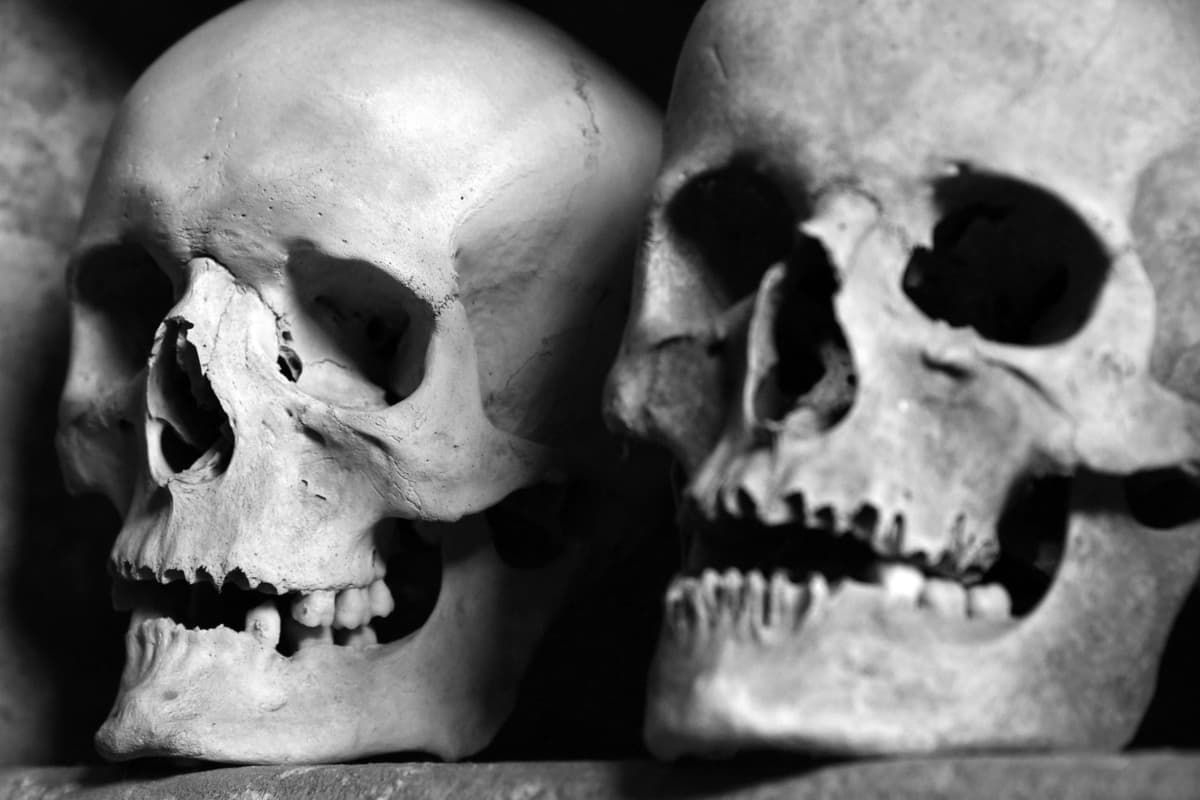
Photo by Serena Koi on Pexels
We seem to believe that if we just get the DNA right, the environment will magically adjust to accommodate the new resident. We ignore the fact that the 'snap-back' ecology—the idea that the land will just bounce back to its 19th-century state—is a fantasy. You can't put the tooth back in the tube. Once a specialized predator is gone, the evolutionary pressure it exerted vanishes, and the remaining species move on. Bringing it back now isn't restoration; it's an invasive species project with a better PR department.
Hubris With a Six-Figure Price Tag
There is something deeply poetic about spending millions of dollars to resurrect a 'snap' bite while the current, living inhabitants of Tasmania are dying of facial tumors and habitat loss. We are obsessed with the shiny, extinct toy while the actual, boring, living animals are suffocating in the background. It’s the ecological equivalent of buying a vintage Ferrari when you can’t afford to fix the roof of your house.
De-extinction companies like Colossal Biosciences are selling a vision of a restored wilderness, but they are really selling a high-tech zoo experiment. Even if they manage to stitch together a creature that looks like a thylacine and snaps like a thylacine, it won't have a thylacine's culture or learned behaviors. It will be a confused, lab-grown anomaly with a lethal jaw and no idea what to do with it, dropped into a forest that is equally confused about why its head is suddenly in a vice.
- The thylacine’s jaw could open to nearly 90 degrees.
- No living marsupial has the same skull stress-distribution patterns.
- Current rewilding models assume prey will 'learn' to avoid predators, ignoring that 'learning' usually requires a few generations of not being instantly decapitated.
We are prioritizing the 'cool' factor of biomechanics over the boring reality of ecological stability. If the goal is truly sustainability, perhaps we should focus on the animals that haven't figured out how to be dead yet. But of course, there’s no venture capital in saving a frog that doesn't have a cool, mechanical-sounding bite.
What This Actually Means
This discovery proves that we are trying to play God without reading the instruction manual for the planet we’re standing on. The 'snap' bite is a warning, not a feature. It tells us that the thylacine was a highly specific answer to a question the Australian ecosystem stopped asking a long time ago. Reintroducing it now is like trying to run a PS5 game on a toaster; something is going to catch fire, and it’s probably going to be the toaster.
We need to stop pretending that de-extinction is an environmentalist's tool. It is a tech demo. If we actually cared about the 'biomechanics' of the Tasmanian wilderness, we would be protecting the complex webs of life that still exist, rather than trying to insert a synthetic predator into a gap that has already closed. The 'niche mismatch' isn't a minor hurdle; it’s a sign that the past is a foreign country, and we don't have a visa to go back.
Ultimately, the thylacine’s snap-bite is the perfect metaphor for the whole de-extinction movement: it's impressive, it's unique, and it's almost certainly going to hurt something it wasn't supposed to touch.
Quick Answers
Is the thylacine actually coming back soon?
Technically no, they are making a 'functional substitute' which is science-speak for a genetically modified dunnart with an identity crisis.
Why does the bite matter so much?
Because a predator that kills in a way nothing else does creates a 'cheat code' in the ecosystem, leading to a total collapse of prey populations that have no defense.
Can't the ecosystem just adapt?
Sure, in about ten thousand years, but most of the current residents will be extinct long before they figure out how to outrun a biological bear trap.
Is this about science or money?
It’s about the intersection of high-level genetics and people who think Jurassic Park was a 'how-to' guide rather than a warning.


