
Your Pilot is a Thumb Drive
I used to worry about the guy in 14B taking his shoes off, but now I have to worry about a coin-sized circuit board tucked behind a panel in the cockpit that thinks it’s the boss of the autopilot. Researchers have discovered that the barrier to entry for taking down a commercial jet is no longer 'becoming a superpower with a nuclear triad.' Now, it’s just 'having twenty bucks and access to a screwdriver.' We’ve spent decades worrying about hackers in hoodies typing furiously into glowing green terminals, only to find out the real threat is a piece of silicon that looks like something you’d find inside a singing greeting card.
Boeing has had a rough couple of years, but 'your plane can be gaslit by a piece of metal the size of a nickel' is a new low. This isn't a software bug you can fix with a forced update while the plane is parked at the gate. This is a supply-chain nightmare where the very guts of the aircraft are being infiltrated by hardware proxies. It’s like finding out your nervous system has been replaced by a series of malicious hamsters, and they’ve all decided they want to fly to Ibiza instead of Chicago.
The Dollar Store Apocalypse
We are witnessing the democratization of international sabotage, and frankly, it’s insulting. If you're going to compromise my flight, I want it to involve a high-tech satellite laser or at least a very handsome spy in a tuxedo. Instead, we’re looking at asymmetric electronic warfare that costs less than a logic-defyingly expensive airport sandwich. These tiny devices can intercept data, spoof signals, and basically tell the plane's computer that it’s actually a submarine. It’s the ultimate gaslighting: 'No, Greg, we aren't at thirty thousand feet, we're actually in a Wendy’s parking lot. Trust me.'
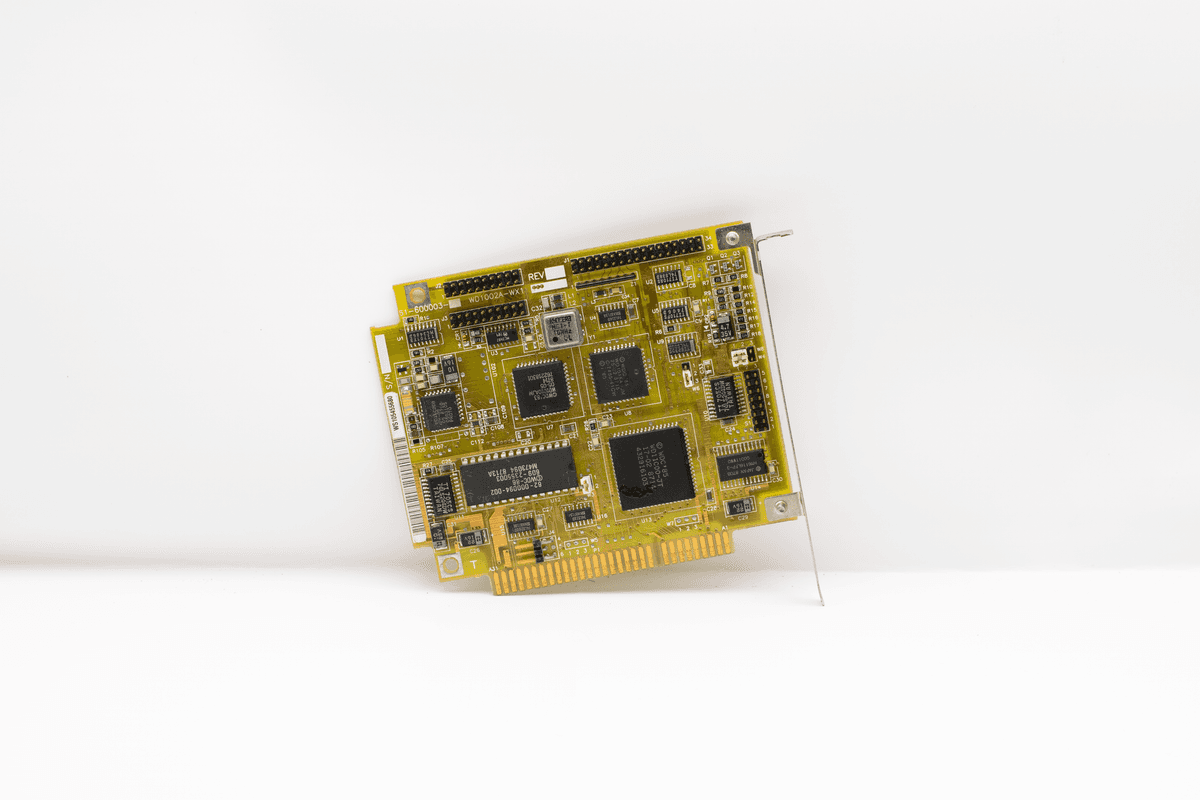
Photo by Nicolas Foster on Pexels
The sheer audacity of it is what kills me. We built these massive, beautiful machines capable of defying gravity, and they can be defeated by a component that was probably shipped in a padded envelope from an anonymous warehouse. It shifts the entire concept of 'aviation sovereignty' from 'who has the best pilots' to 'who checked the wiring behind the coffee maker.' If a state actor wants to ground a fleet, they don't need a declaration of war; they just need a very stealthy intern in the assembly plant.
Sovereignty is Overrated Anyway
Governments are currently scrambling to figure out how to protect their 'civilian fleets,' which is a fancy way of saying they’re staring at 500-ton metal birds and wondering which part is currently lying to them. In the old days, you knew who your enemies were because they were the ones pointing the big missiles at you. Now, your enemy might be a sub-contractor’s sub-contractor who got a great deal on 'Totally Legitimate Flight Control Chips' from a guy named Boris on a Telegram channel.
This isn't just a technical glitch; it's a total rethink of how we trust physical objects. We used to think that if you owned the plane, you controlled the plane. But in a world of hardware proxies, ownership is a suggestion. You might hold the title, but the tiny chip soldered onto the bus controller is the one holding the remote. It’s like moving into a new house and finding out the previous owner still has the login to your smart fridge and keeps turning the temperature up to 'Tropical' just to be a jerk.
What This Actually Means
Ultimately, we’re entering an era where the supply chain is the battlefield, and the soldiers are wearing clean-room suits and carrying tweezers. The traditional defense industry is built on the idea of 'bigger is better,' but the future of sabotage is 'smaller is scarier.' If you can compromise a system at the hardware level before the plane is even bolted together, you don't need to hack a firewall. You are the firewall. And you're currently telling the pilot that the landing gear is actually a set of landing-hot-dogs.
We’re going to see a massive push for 'clean' supply chains, which will inevitably lead to more bureaucracy, higher ticket prices, and probably a guy whose entire job is to lick every circuit board to make sure it tastes like freedom. It’s a radical shift in how we perceive security. It’s no longer about who is at the gate; it’s about who was in the factory three years ago. So, the next time you hear a weird beep on your flight, just remember: it might be the plane, or it might be a tiny piece of silicon having a very heated argument with the altimeter.
Quick Answers
Is my next flight going to be hijacked by a coin?
Probably not, unless the coin is very ambitious and has a background in electrical engineering. Most of these vulnerabilities are currently in the 'terrifying academic paper' stage rather than the 'suddenly we're in the ocean' stage.
Can't Boeing just use better glue?
It’s not a glue issue, it’s a 'where did this specific microchip come from' issue. Unless they start mining their own silicon and hand-weaving their own wires, the supply chain remains a giant game of Minesweeper.
Should I be worried about 'aviation sovereignty'?
Only if you enjoy the idea of your country actually being in charge of its own airspace. Otherwise, just sit back, enjoy your $12 ginger ale, and try not to think about the tiny, invisible war happening under your floorboards.


