Your Garage Is Now a Power Plant
It is truly heartwarming to see that Australia has collectively decided the best way to handle a failing energy market is to simply stop waiting for the adults in the room to finish their PowerPoint presentations. Instead of waiting for a massive state-led infrastructure project that would inevitably be three decades late and 400% over budget, residents are just buying batteries. It’s a bold strategy: turning the humble suburban home into a tiny, humming piece of the wholesale energy market.
This isn't about being 'green' or saving the planet in some abstract, altruistic sense. It’s about the sheer, unadulterated joy of watching a coal-fired power station struggle to justify its existence while 100,000 households discharge their stored sunlight simultaneously. Australia now leads the world in rooftop solar per capita, with roughly one in three homes generating their own juice. Adding a battery is just the logical next step for people who are tired of paying for the privilege of being told there’s a 'supply crunch' every time the temperature hits 35 degrees Celsius.
Virtual Power Plants (VPPs) are the punchline to the joke that renewables are 'unreliable.' By networking these home batteries together, software can pull a few kilowatts from Mrs. Higgins’ garage in Adelaide and Mr. Smith’s basement in Brisbane to fill a gap in the national grid. It’s decentralized, it’s efficient, and it makes the traditional model of building a billion-dollar gas-peaker plant look about as modern as a steam-powered pager.
The Gas-Peaker Plant Is a VCR in a Netflix World
For years, we were told that we absolutely needed gas-peaker plants—those expensive, loud, and polluting turbines that sit idle 95% of the time—to save us from the 'intermittency' of the sun. It was a lovely narrative for the companies that build them. Then someone realized that a fleet of home batteries can respond to a frequency drop in milliseconds, whereas a gas plant takes minutes to warm up its metaphorical joints.

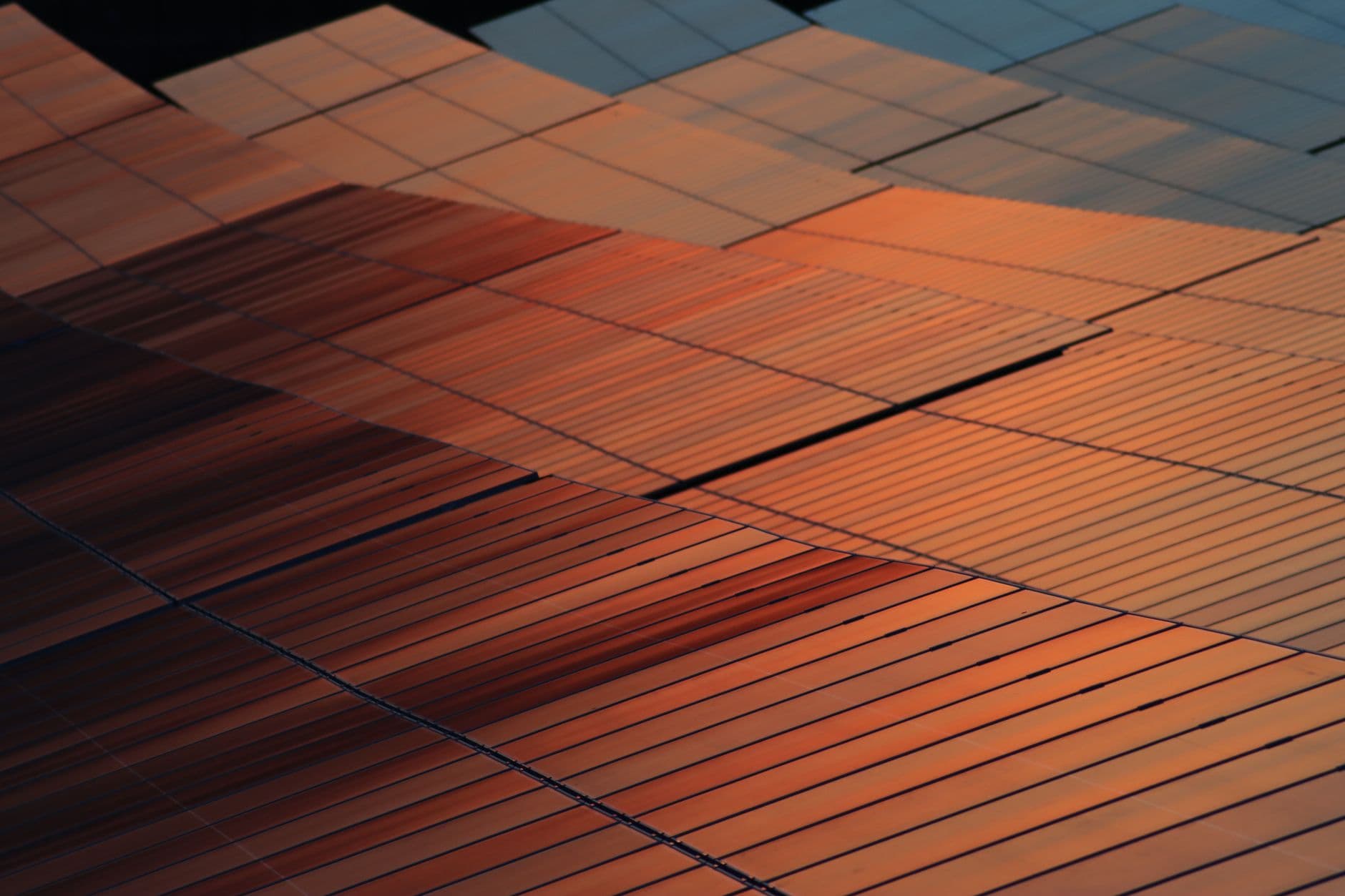
Photo by smart-me AG on Pexels
In 2023, South Australia managed to run on 100% wind and solar for significant stretches of time. The sky didn't fall. The lights stayed on. The secret wasn't some massive, taxpayer-funded dam or a nuclear reactor that won't be built until the year 2050; it was just a bunch of neighbors sharing their excess battery capacity. It’s almost as if the 'base load' argument was just a very expensive way of saying 'we don't want to change our business model.'
Traditional utilities are currently in various stages of grief over this. They spent a century as the benevolent dictators of the electrons, and now they have to negotiate with a guy named Daryl who has a Tesla Powerwall and an app on his phone. The VPP model turns the consumer into a participant, which is terrifying for companies that prefer their customers to be passive, confused, and prone to opening their wallets without question.
The Market Actually Works If You Let It
The irony of the Australian battery boom is that it is a triumph of the market—just not the market the lobbyists wanted. When the price of electricity spikes to $16,600 per megawatt-hour because a coal plant tripped or the wind stopped blowing for five minutes, the VPPs kick in. They sell their cheap, stored sunlight at the peak price, pocketing the difference for the homeowner and stabilizing the grid for everyone else.
It’s a beautiful, ruthless efficiency. You don't need a three-year environmental impact study to add 5kW of capacity to a VPP; you just need a technician and a ladder. As of late 2023, there were over 3.6 million solar installations in Australia. If even a fraction of those add storage, the 'need' for massive new fossil fuel infrastructure evaporates faster than a puddle in the Outback.
We are witnessing the democratization of the electron. In the old world, if you wanted to influence the energy market, you needed a lobbyist and a golf membership. In the new world, you just need a north-facing roof and a decent credit score. It’s decentralized, it’s resilient, and it’s remarkably difficult for a single point of failure to take down the whole system. If one house’s battery fails, the grid barely notices. If one massive power plant fails, half a state goes dark.
What This Actually Means
The Australian 'experiment' is proving that the grid of the future isn't a top-down hierarchy; it’s a swarm. We are moving away from the 'Cathedral' model of energy—massive, centralized temples of power—toward the 'Bazaar' model, where everyone is trading bits of energy in real-time. This isn't just a win for the environment; it’s a humiliation for the 'experts' who said it couldn't be done without massive, state-directed investments in old-school tech.
Other countries are watching this with a mix of awe and terror. The US and Europe are still arguing about permitting for long-distance transmission lines that will take a decade to build. Australia is just letting the market solve the problem one garage at a time. It’s messy, it’s bottom-up, and it’s working surprisingly well.
Ultimately, the 'Virtual Power Plant' revolution proves that the most stable grid is the one where the users own the infrastructure. When the people hold the power—literally—the old arguments for expensive, centralized fossil fuel backups start to sound like a horse breeder arguing against the internal combustion engine. The future is here; it’s just currently recharging in a suburban driveway.
Quick Answers
Is a VPP just a fancy way of saying 'sharing'?
Essentially, yes, but with more algorithms and less communal singing. You allow a coordinator to tap into your battery when the grid is stressed, and they pay you for the privilege.
Do I lose control of my own battery?
No, you generally set a 'reserve' limit so you aren't left in the dark just because the grid had a panic attack. You’re a partner, not a victim.
Will this make my electricity bill zero?
Not quite, as the fixed costs of the poles and wires still exist, but it makes the 'usage' part of your bill look like a rounding error compared to the old days.


