Your Neighborhood Is Pending a Software Update
I recently looked at the new macOS 15 wallpaper and realized that the Golden Gate Bridge no longer belongs to the people of California. It belongs to a software engineer in Cupertino named Kyle who thinks 'outside' is just a place where the Wi-Fi signal gets slightly weaker. We’ve reached a point where the physical world is trying so hard to look like a digital twin that I’m genuinely afraid to lean against a brick wall in case my shoulder clips through the textures and I fall into a literal void of unrendered code.
Everything is becoming suspiciously smooth. The 'Apple-fication' of public space means we are moving toward a reality where every park bench looks like it was milled from a single block of aerospace-grade aluminum and every street lamp has the emotional range of a Siri prompt. If your local park doesn't have rounded corners and a minimalist aesthetic that screams 'I cost $400 million and I don't have a headphone jack,' is it even a park anymore? I walked past a new development yesterday and instinctively tried to double-tap a tree to see if it would show me its battery percentage.
The Digital Twin Is a Narcissist
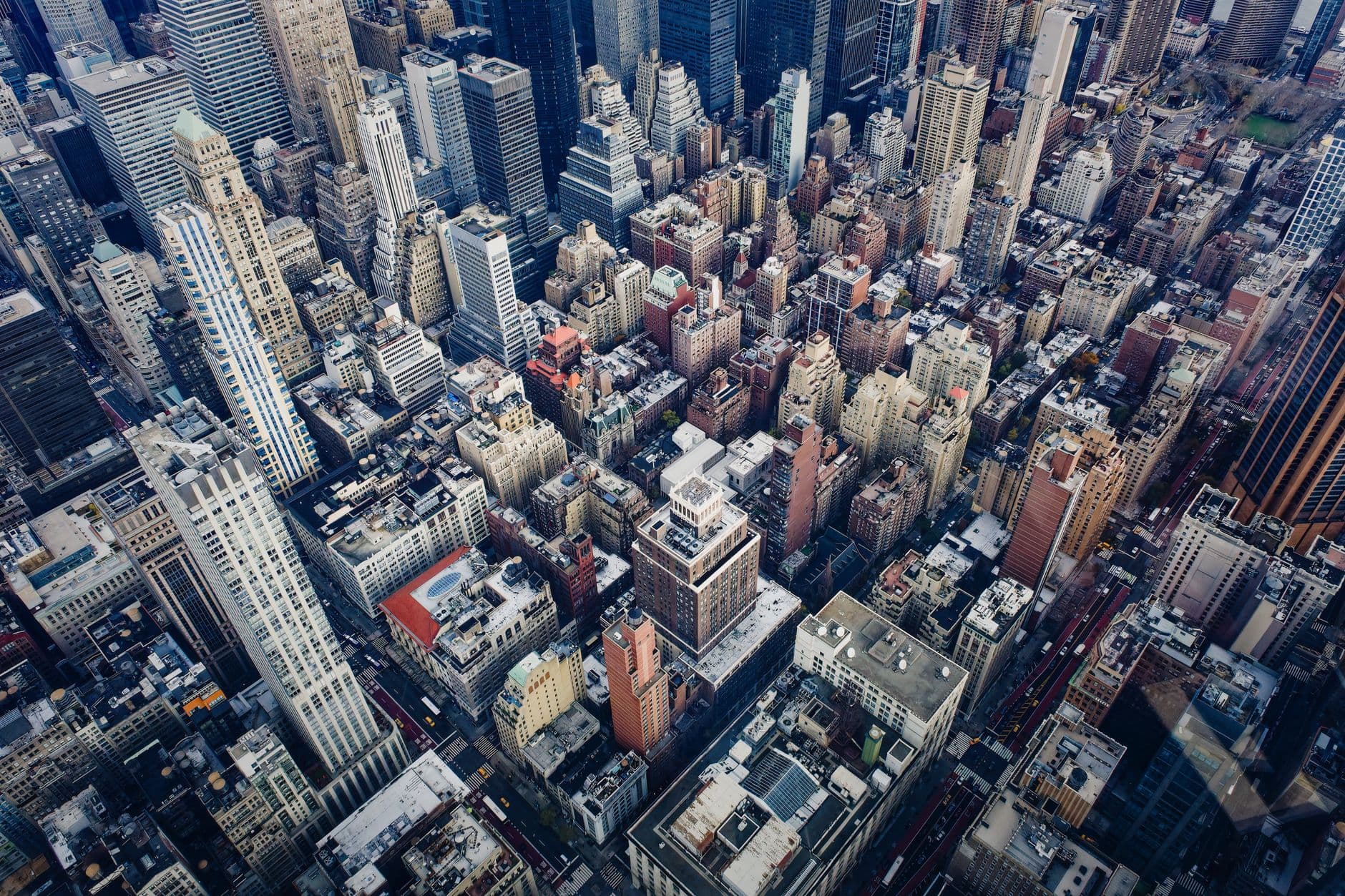
Urban planners are now obsessed with 'Digital Twins,' which is basically just The Sims for people who wear expensive vests. They build a high-fidelity simulation of a city to predict traffic flow, but the result is that the actual, physical city starts feeling like a beta test for the simulation. We are building neighborhoods to satisfy the requirements of an algorithm that thinks 'vibrancy' is measured by how many people are holding a latte while walking toward a coworking space at exactly 9:14 AM.
- The benches are designed to be 'anti-homeless,' which is just tech-speak for 'this furniture is a physical manifestation of a 404 error.'
- Public plazas are being replaced by 'curated experiences' that feel like the lobby of a high-end dentist's office.
- Every new building looks like a stack of silver Mac Minis with windows.
This obsession with high-fidelity simulation is why everything feels like a movie set. When you walk through a newly 'optimized' district, you get the distinct feeling that if you turned a corner too fast, you’d see the plywood backing holding up the facade. We aren't building for humans; we're building for the drone shots that will appear in the promotional video for a Series B funding round.
The Golden Gate Aesthetic Is a Trap
Apple’s obsession with the Golden Gate Bridge isn't about architecture; it’s about branding the horizon. By turning one of the world's most iconic structural feats into a soft-focus, pastel-hued login screen, they’ve successfully convinced us that the bridge is just a very large peripheral. It’s the ultimate 'Software-Defined City' move. The bridge is no longer a way to get to Sausalito; it’s a progress bar for your morning commute.
I’m waiting for the day the city of San Francisco tries to implement 'Force Touch' on the sidewalk. Imagine trying to walk to the grocery store, but the pavement detects that you’re walking with 'intent' and suddenly pops up a menu offering you a discounted subscription to a local sourdough collective. We are turning the physical heritage of our ancestors into a UI kit. It’s only a matter of time before the Transamerica Pyramid gets a firmware update that makes it 20% thinner but significantly harder to plug a charger into.
What This Actually Means
We are losing the 'crunch' of reality. Cities are supposed to be messy, loud, and occasionally smell like a mystery that you don't want to solve. When we prioritize the digital twin over the physical mess, we end up with urban spaces that have all the soul of a LinkedIn 'Open to Work' banner. We’re trading history for a high refresh rate, and the cost is that our neighborhoods are becoming as interchangeable as app icons.
If we keep designing cities to look like curated desktop backgrounds, we’re going to wake up in ten years and realize we live in a world where you have to agree to a 45-page Terms and Conditions document just to use a public drinking fountain. I don't want a 'seamless user interface' when I go for a walk. I want a sidewalk that doesn't feel like it’s tracking my dwell time.
Ultimately, the Golden Gate Bridge is a massive hunk of steel that requires constant painting and rust-scraping. It’s difficult, it’s expensive, and it’s real. Let’s stop trying to make it look like a render and start remembering that the best parts of a city are the parts that a computer would find 'inefficient.' I’ll take a cracked sidewalk and a weird-smelling alleyway over a 'Software-Defined' utopia any day of the week.
Quick Answers
Does this mean my house will eventually need a software update?
Yes, and it will probably happen at 3:00 AM, locking you out of the bathroom because the 'Toilet 2.0' patch notes say they fixed a bug involving 'unauthorized flushing.'
Why is everything becoming so minimalist and rounded?
Because sharp edges are difficult to render in the simulated reality our corporate overlords are preparing for us, and also because rounded corners make things look more 'friendly' while they overcharge you for rent.
Is there any way to opt out of the Apple-fication of my neighborhood?
Technically no, but if you carry around a 1998 Dell Inspiron and scream 'Where is the floppy drive?' at every glass building you see, you might be able to confuse the algorithm into leaving you alone.