
The Host City Dating App From Hell
For a while there, the 2026 Commonwealth Games looked less like a prestigious sporting event and more like a cursed VHS tape from The Ring. Victoria, Australia, took one look at the projected $4 billion price tag and decided they’d rather spend that money on literally anything else—perhaps a very large pile of boomerangs or just set it on fire for warmth. It’s a classic case of Olympic-sized buyer’s remorse, where cities realize that building a 50,000-seat stadium for a netball tournament is like buying a tuxedo for a toddler. They’re going to grow out of it in fifteen minutes, and you’re left with an expensive, useless piece of fabric that smells like juice boxes.
Enter the 'Plug-and-Play' stadium. The idea is simple: instead of pouring enough concrete to seal an ancient evil away forever, we build stadiums out of fancy shipping containers and modular bits that fit together like a giant IKEA bookshelf. Except, hopefully, when you’re done building it, you don’t have three mysterious hex bolts left over and a structure that wobbles every time a shot put lands. This is 'Ephemeral Infrastructure,' which is just a fancy architect way of saying 'it’s a pop-up shop for people who can run really fast.'
Your Stadium is Now a Flat-Pack Furniture Nightmare
Imagine the logistics of a relocatable stadium. You finish the closing ceremonies, everyone stops crying to the national anthem, and then a crew of guys with very large Allen keys shows up to take the whole thing apart. Section A4 goes to Glasgow. Section B12 is being shipped to a suburban high school in Ohio. The VIP lounge is being repurposed into a very upscale Chick-fil-A. It’s the ultimate architectural 'no take-backsies.' We are finally divorcing the glory of the gold medal from the crushing debt of the 40-year municipal bond.
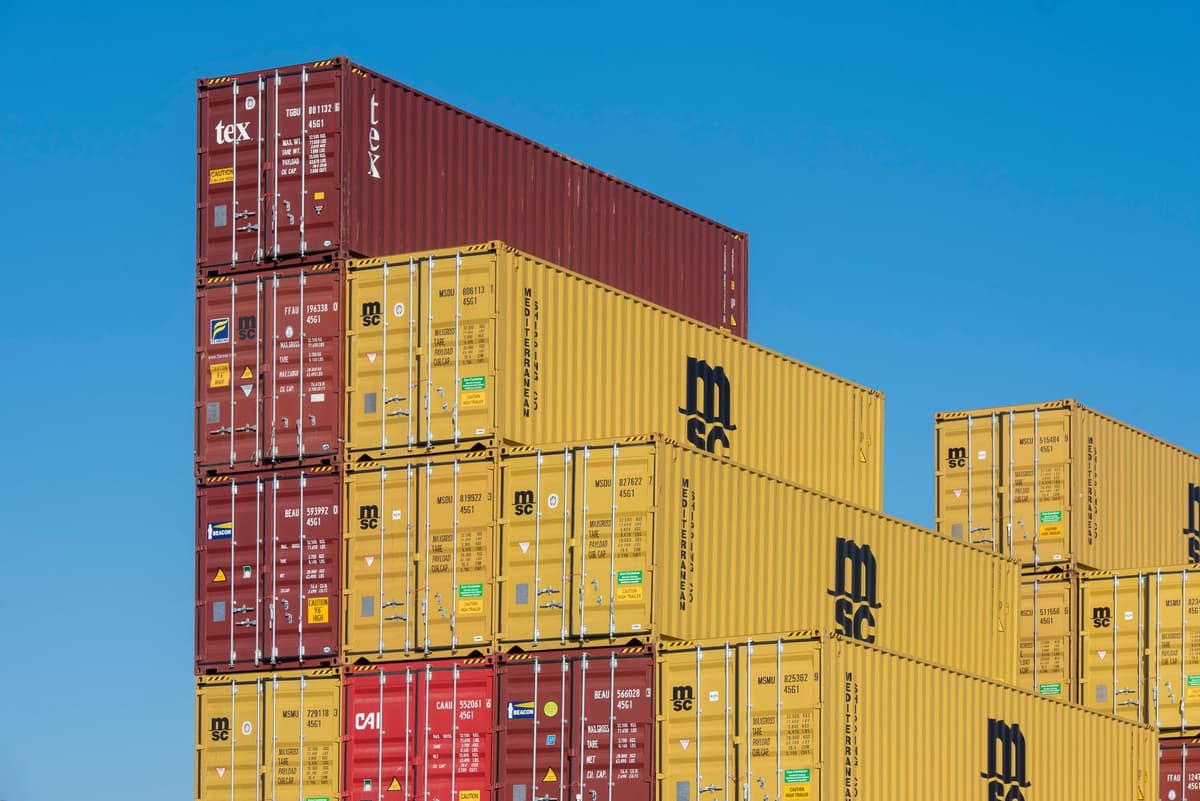
Photo by Jan van der Wolf on Pexels
This shift is a direct response to the 'White Elephant' phenomenon. We’ve all seen them: those crumbling concrete husks in Athens or Rio that look like they should be the setting for a post-apocalyptic movie where the main character fights a mutant for a single can of peaches. By making stadiums demountable, we’re acknowledging that a city's needs during a three-week party are vastly different from its needs on a Tuesday in November. It’s architectural honesty. It’s admitting that while we love watching humans jump over poles, we don’t need a permanent monument to it that blocks traffic for the next three decades.
The Traveling Circus of Pain and Glory
There is something inherently hilarious about a stadium that can be mailed. I want to see the tracking notification for a 20,000-seat grandstand. 'Your bleachers are ten stops away! Please ensure someone is home to sign for the aquatic center.' It turns global sports into a traveling circus, but instead of a sad elephant and a guy who puts his head in a lion’s mouth, we have specialized athletes and a lot of high-tech spandex. It’s the Circus Maximus, but with better logistics and fewer lions.
This decoupling of events from permanent displacement is a godsend for urban planners who are tired of being the villains in every gentrification documentary. Usually, hosting a major games involves 'revitalizing' a neighborhood, which is code for 'demolishing a community garden to build a media center that will eventually become a very depressing storage facility.' With modular builds, you can just borrow a parking lot for a month, throw up your LEGO stadium, and then give the asphalt back when you’re done. It’s like the stadium was never there—a ghost in the urban machine, leaving behind nothing but memories and a slightly higher concentration of discarded Gatorade bottles.
What This Actually Means
The era of the 'Grand Monument' is dying, and honestly, good riddance. We’ve spent half a century building cathedrals to sweat that nobody can afford to maintain. If the 2026 Games prove that you can host a world-class event using what is essentially a very expensive set of Lincoln Logs, the barrier to entry for smaller cities drops significantly. You don’t need to be a global megacity to host; you just need a flat piece of land and a very good relationship with a shipping company.
Ultimately, this is about flexibility. The world moves too fast for us to be building 100-year structures for 10-day events. We’re moving toward a 'software' approach to urbanism—where the city is the hardware and the events are just apps you install and uninstall as needed. It’s smarter, it’s cheaper, and it prevents the city from being haunted by the ghost of a $500 million velodrome that only three people know how to use.
Quick Answers
Is a 'removable stadium' actually safe or will it collapse if someone sneezes?
It’s perfectly safe; these aren't bouncy castles, they're engineered modular systems that meet the same building codes as permanent structures, just with more bolts and less ego.
Where does the stadium go after the games are over?
Parts of it are usually sold off to smaller venues, repurposed into housing modules, or shipped to the next city that was brave—or foolish—enough to bid on the next tournament.
Does this mean the tickets will be cheaper?
Absolutely not. The savings on concrete will be immediately funneled into the 'executive consulting' budget and $18 artisan hot dogs, as is tradition.


