
The Heroic Quest for Generic Synths
For fifteen years, the internet treated a grainy, 10-kHz recording of a forgotten German pop song like it was the missing link in human evolution. We called it "The Most Mysterious Song on the Internet." It was the digital equivalent of the Shroud of Turin, except instead of a holy relic, it was just a guy named Christian Brandl singing about the wind over a drum machine that probably cost forty marks. It turns out the song is called "Subways of Your Mind" by a band called FEX. Everyone can stop hyperventilating now.
The sheer hubris of the modern internet user is a sight to behold. We have decided that in the age of Google, the existence of an "unidentified" object is a personal insult to our collective intelligence. We cannot simply listen to a catchy, lo-fi post-punk track and think, "That’s neat." No, we must mobilize a global task force of amateur spectrograph analysts and basement-dwelling historians to track down the exact brand of cigarettes the bassist smoked during the recording session.
Solving Mysteries Nobody Actually Had
The timeline of this obsession is a masterclass in wasted potential. Since 2007, people have been contacting retired German radio DJs, scouring the archives of the GEMA (the German performance rights organization), and using AI to de-mix audio tracks to hear the lead singer’s dental work. All of this effort was directed at a song that was played on a public radio station once or twice in 1984 and then rightfully forgotten by everyone who wasn't currently in the studio.
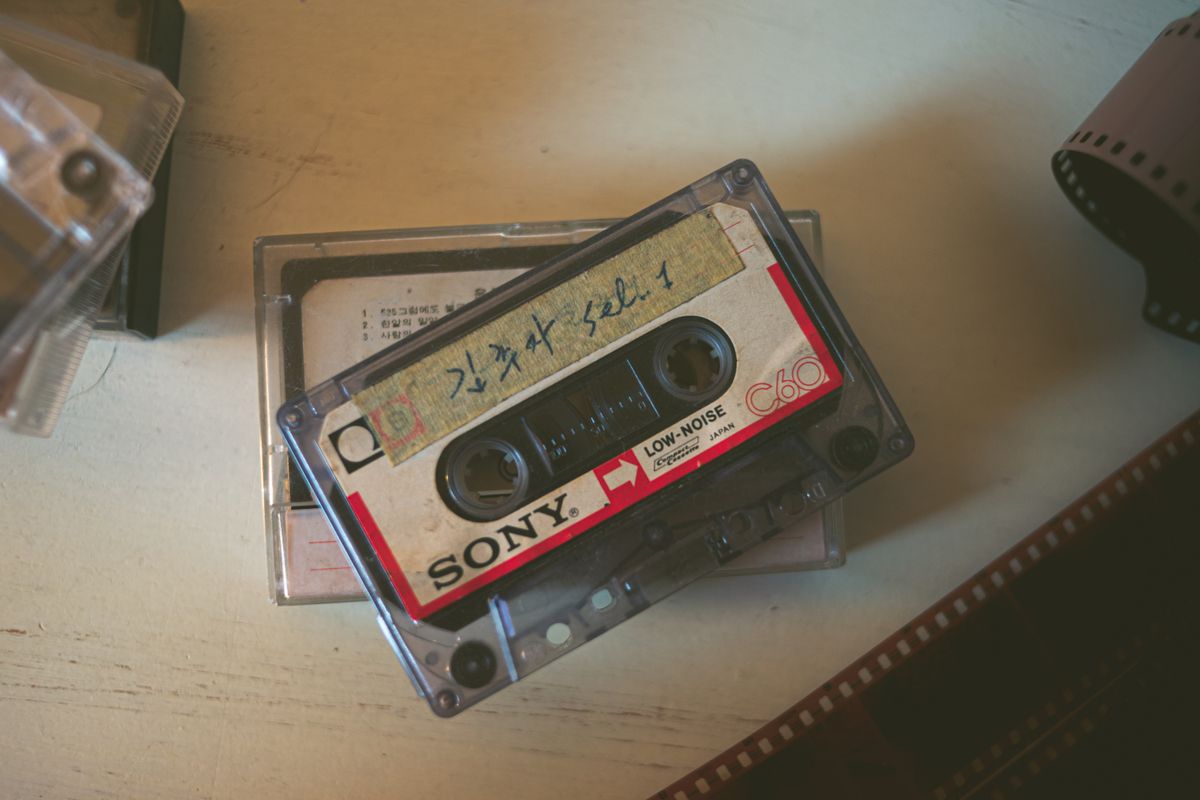
Photo by zafiro media on Pexels
Imagine the collective brainpower utilized here. We have people who can identify a specific obscure synthesizer model by the way a single note decays in a low-bitrate recording. If we applied this level of forensic scrutiny to, say, corporate tax evasion or the structural integrity of our bridges, we would be living in a literal utopia. Instead, we used it to find a band that, when finally contacted, basically said, "Oh yeah, I think we did record that. Is it lunch time?"
The Digital Void is Terrifying
What this reveals about us is deeply unflattering. We are terrified of the idea that something can exist without being indexed. We have built a world where every thought is a tweet and every meal is an Instagram post, so the existence of a three-minute audio file with no metadata feels like a glitch in the simulation. We didn't hunt for FEX because the music was life-changing; we hunted them because we couldn't stand the fact that we didn't know their names.
It’s a specific type of digital claustrophobia. If a song exists on a tape in a drawer in Munich and isn't on Spotify, does it even make a sound? To the internet, the answer is a resounding "No, and we will burn the village down until we find the MP3." We’ve turned curiosity into a frantic, obsessive inventory-taking of the entire 20th century. God forbid a single piece of mediocre art escapes the light of our search engines.
What This Actually Means
Now that the mystery is solved, the tragedy begins. The song is no longer a ghostly, romantic relic of the Cold War era; it is just a demo by a band from Kiel. The mystery was the only thing making it interesting. By identifying FEX, we have successfully killed the magic and replaced it with a Wikipedia entry. We traded an infinite horizon of possibility for a 40-year-old press photo of four guys in oversized blazers.
We will do this again, of course. There are thousands of other "lost" media fragments out there—blurry videos of 90s commercials, unidentified grainy photos of celebrities, snatches of melody from long-defunct local TV stations. We will hunt them all down with the same grim, humorless determination. We are the generation that refused to let anything be forgotten, which is a shame, because some things really deserve it.
In the end, the "Digital Archeology" of memory isn't about preserving culture. It’s about our pathological need to close every open tab in our collective brain. We didn't save a song; we just finally figured out how to label the file so we could stop thinking about it.
Quick Answers
Was the song actually good?
It is the most aggressively 7/10 song ever recorded, which makes the fifteen-year search even funnier.
How was it finally found?
A user on Reddit was looking through old band festival archives and recognized the band members, proving that basic reading is still more effective than complex audio AI.
Is there more lost music out there?
Yes, thousands of songs are currently sitting in damp basements, blissfully unaware that a mob of internet sleuths will eventually ruin their privacy to satisfy a bored subreddit.
Does this solve our existential dread?
No, but it does give us one less thing to argue about on Discord for approximately twelve hours.

