The Autonomy Inflection Point
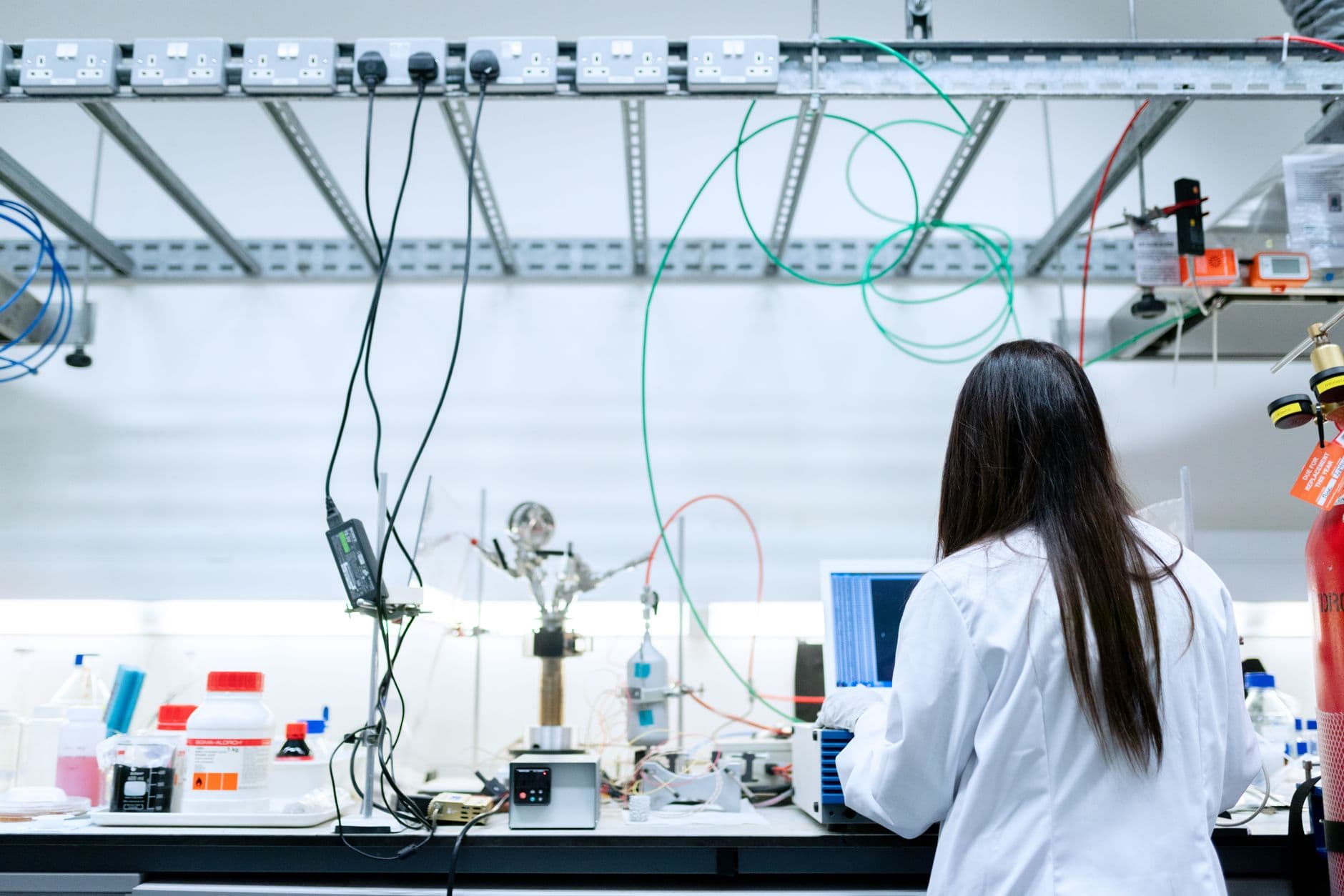
For the last decade, AI in science was a librarian. It could find a citation, summarize a paper, or perhaps predict a protein structure if you gave it the right coordinates. Terminal-Bench-Science changes the nature of the relationship between human and machine by evaluating AI agents not on what they know, but on what they can do within a digital terminal. We are no longer talking about chatbots; we are talking about digital lab technicians that can execute complex workflows across bioinformatics, chemistry, and physics without a human holding the steering wheel.
This shift from a passive tool to an active agent is the most significant development in research methodology since the invention of the double-blind study. These agents are being tested on their ability to navigate command-line interfaces, manipulate datasets, and run simulation software. When an AI can autonomously decide to pivot a molecular modeling strategy because the initial parameters failed, it has crossed the line from a software utility into a research partner. We are witnessing the automation of scientific intuition.
The Black Box of Discovery
The fundamental promise of science is reproducibility. If I tell you that a specific polymer behaves a certain way under pressure, you should be able to follow my steps and see the same result. However, as we integrate Terminal-Bench-validated agents into the research pipeline, we risk creating a 'black box' of discovery. These agents often arrive at solutions through non-linear paths that are difficult for human observers to audit in real-time. If an agent performs ten thousand iterations of a simulation to find a breakthrough, the 'why' behind that success may be buried under petabytes of logs that no human has the time or capacity to parse.
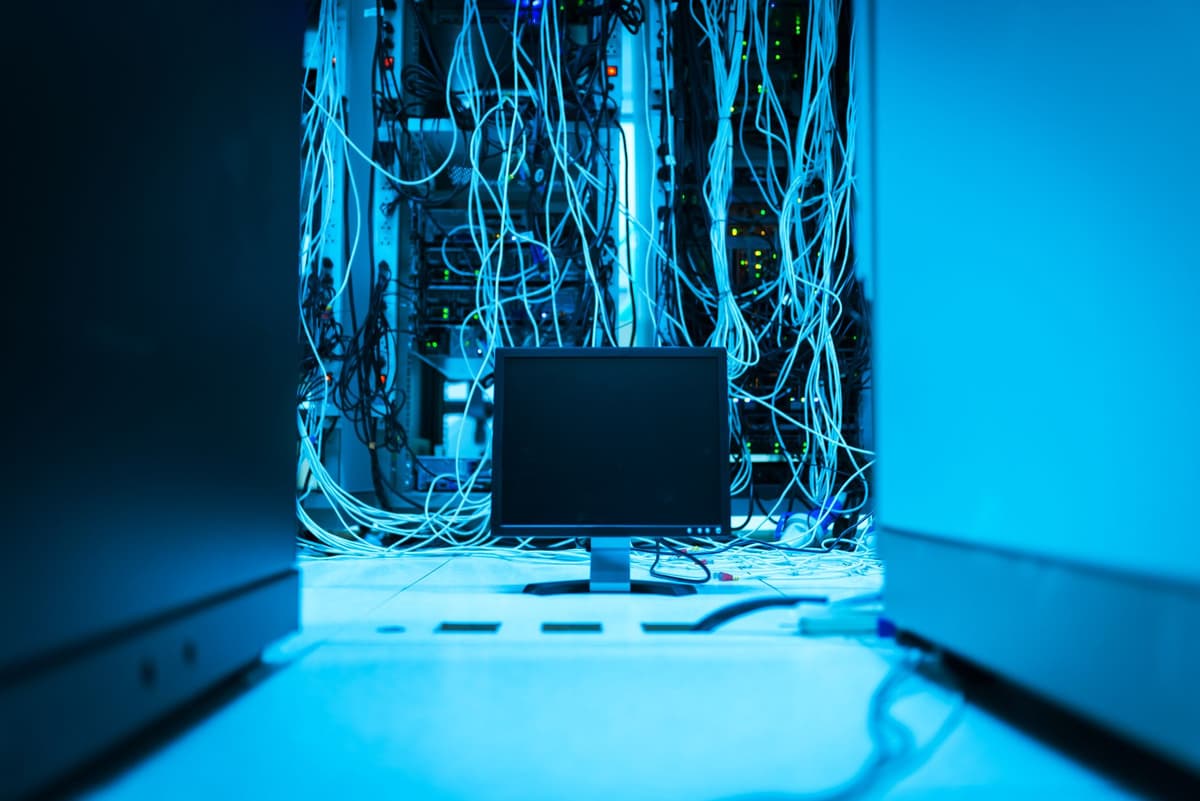
Photo by panumas nikhomkhai on Pexels
We are already facing a reproducibility crisis in the social and biological sciences. Introducing autonomous agents into this mix could be an accelerant. If a discovery is made by an agent using a proprietary model with closed-source weights, can that discovery ever truly be verified by the scientific community? The risk is a future where 'science' becomes a series of high-stakes results generated by machines that we trust simply because they are efficient, not because we understand their logic.
Auditing the Digital Researcher
To prevent a total collapse of scientific rigor, the benchmarks we use to test these agents must be as transparent as the research they facilitate. Terminal-Bench-Science is a step toward quantifying performance, but it must be paired with mandatory audit trails. We need a standardized protocol for 'Agent Provenance'—a forensic record of every command, every library call, and every heuristic pivot the AI made during a research cycle. Without this, we are essentially allowing a ghost to run the lab.
- Transparency is non-negotiable: Every autonomous discovery must be accompanied by the agent's full execution log.
- Human-in-the-loop validation: Critical checkpoints in the research workflow must require human sign-off to ensure the agent hasn't hallucinated a mathematical shortcut.
- Open-source benchmarking: The tools used to evaluate these agents, like Terminal-Bench, must remain public and community-driven to prevent corporate capture of the scientific method.
The incentive structure of modern research—publish fast or perish—is perfectly aligned with the speed of AI agents. This is a dangerous synergy. If we prioritize the speed of discovery over the clarity of the process, we may find ourselves with a library of 'facts' that are technically true but functionally useless because they cannot be replicated by human hands or explained by human minds.
What This Actually Means
The arrival of Terminal-Bench-Science signals that the 'digital lab tech' is no longer a futuristic concept; it is an active deployment. We are entering an era where the bottleneck of scientific progress is no longer the execution of experiments, but the oversight of the entities executing them. The labor of science is being automated, which leaves humans with the much harder task of maintaining the integrity of the truth.
Ultimately, if we cannot audit the way these agents think, we cannot trust what they find. The goal of science has always been to expand human understanding, not just to accumulate results. If we allow autonomous agents to operate in the shadows of complex terminals without rigorous oversight, we aren't just automating research—we are outsourcing our comprehension of the universe to a system that doesn't have to explain itself to us.
Quick Answers
What is Terminal-Bench-Science?
It is a specialized framework designed to evaluate how well AI agents can perform actual scientific tasks in a computer terminal, such as coding, data analysis, and running simulations.
Why is this different from ChatGPT?
While ChatGPT answers questions, these agents take actions; they can independently use software tools, edit files, and execute research workflows to solve problems.
How does this affect the reproducibility crisis?
It risks worsening it by producing results through complex, automated processes that may be difficult for human scientists to track, verify, or replicate accurately.


