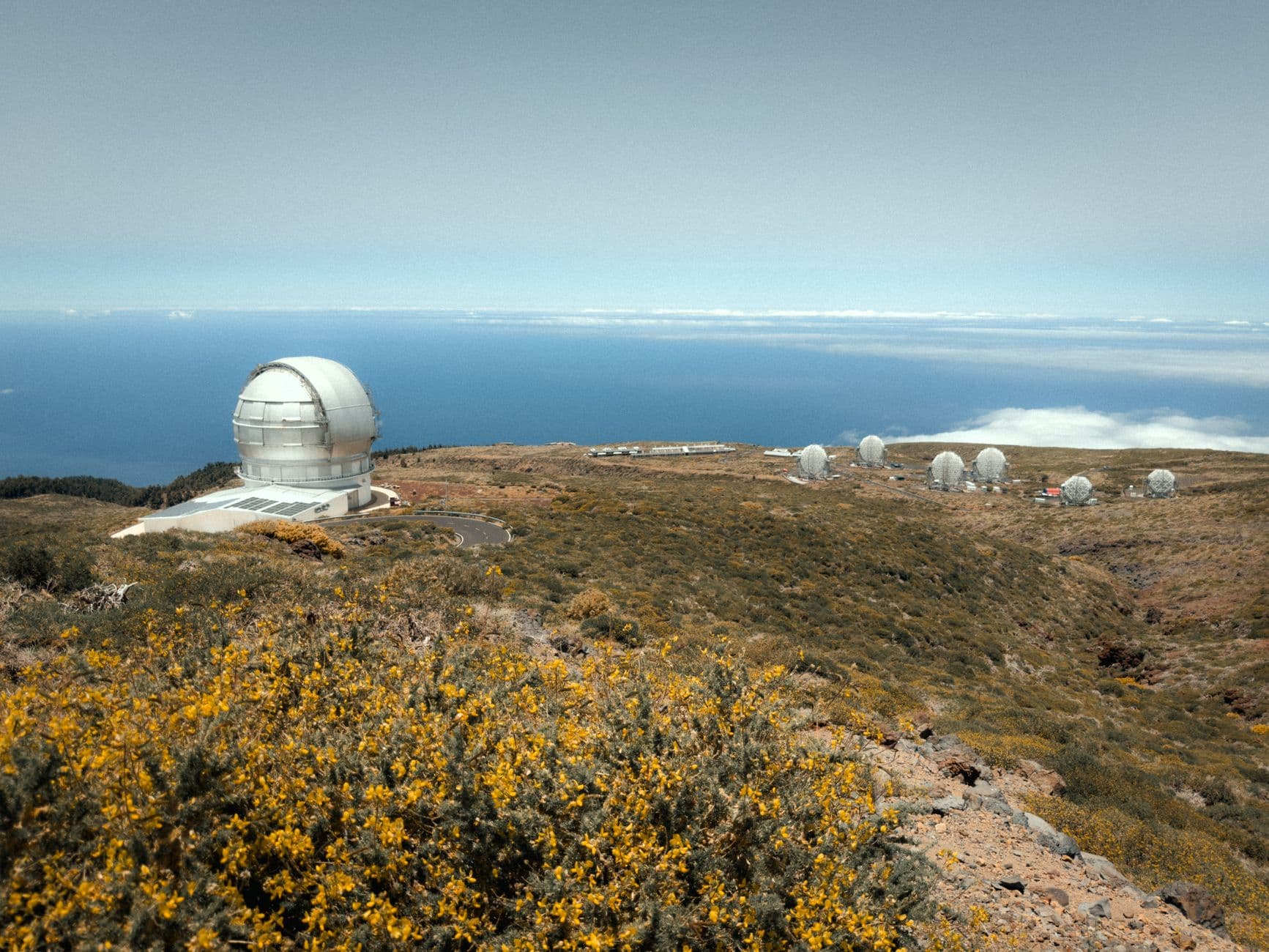
A Continent Chasing Three Minutes of Night
There is something deeply human about the urge to stand in a cold field just to watch the sun disappear for three minutes. We are planning years in advance for an event that lasts less time than it takes to brew a decent cup of coffee. The 2026 total solar eclipse isn't just an astronomical fluke; it’s becoming the ultimate stress test for how we’ve built our modern world. From the jagged cliffs of Iceland to the sun-drenched plazas of Spain, local governments are currently in a quiet, desperate arms race to ensure that when the lights go out in the sky, the lights stay on in the city.
I wonder if we realize how fragile our connectivity becomes when everyone tries to share the same miracle at the exact same second. We aren't just talking about a few extra hotel bookings. We are talking about the 'Darkness Tourism' phenomenon—a migration of millions into rural areas that were never meant to handle the bandwidth of a mid-sized nation. When totality hits, every single person will hit 'Go Live.' That is a terrifying amount of data to squeeze through a pipe designed for a sleepy village.
The Arctic Satellite Gamble
Iceland is currently facing a bizarre dilemma that feels like something out of a sci-fi novel. The path of totality cuts right through some of the most sparsely populated terrain on Earth, places where the resident-to-sheep ratio is heavily skewed toward the livestock. For these tiny outposts, the eclipse represents a once-in-a-lifetime economic windfall, but the cost of entry is a complete overhaul of their satellite-based telecommunications. If 50,000 people descend on a town of 500, the cellular towers don't just slow down; they effectively cease to exist.
I’m fascinated by the engineering required to solve this. Some of these locations are looking into temporary Starlink deployments and mobile 5G masts just to prevent a total 'digital blackout.' It’s a strange irony that to enjoy one of the most ancient, analog experiences in the universe, we require the most cutting-edge, high-speed infrastructure imaginable. If the tech fails, we aren't just losing Instagram stories—we're losing the ability for emergency services to communicate in a crowd that has tripled the local population overnight.
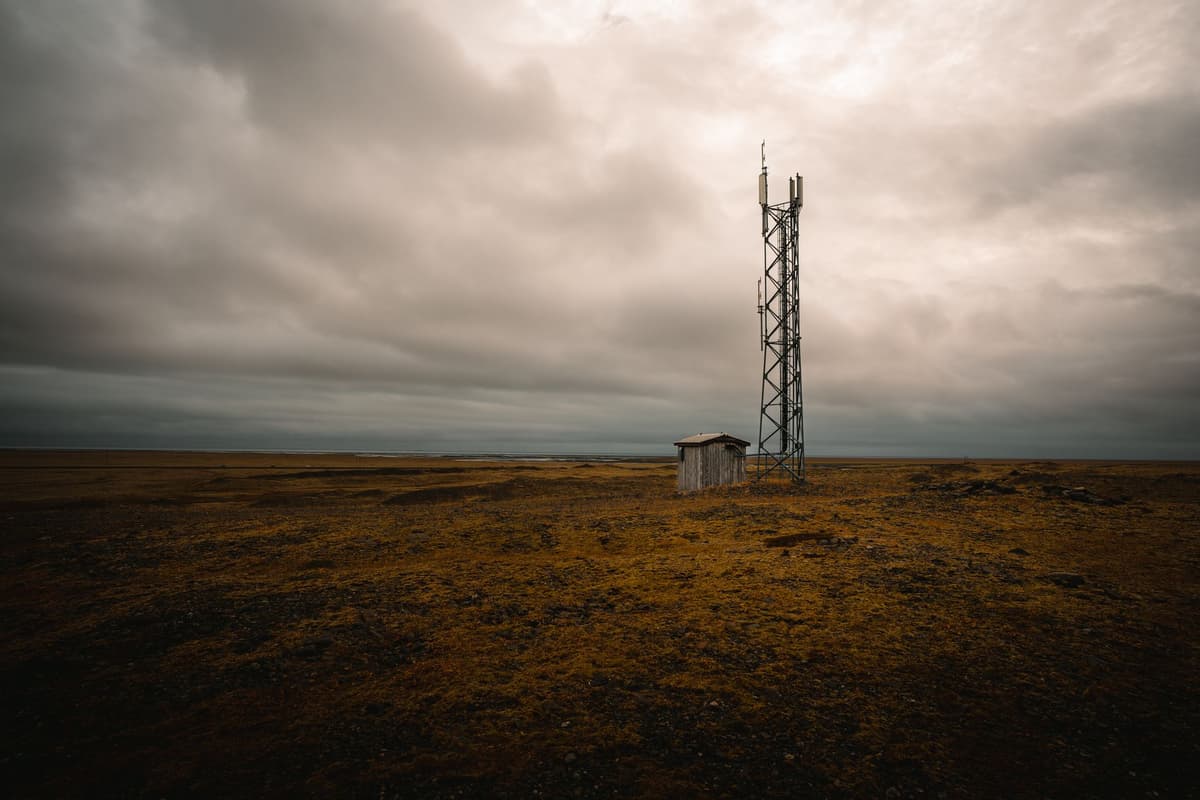
Photo by Kyle Miller on Pexels
Mediterranean Grids and Ghost Power
Further south, the problem shifts from data to juice. Spain will be one of the final stops for the 2026 shadow, and the timing couldn't be more interesting for their power grid. Spain is a leader in solar energy, which is fantastic until you realize that a total eclipse effectively acts as a giant, unpredictable 'off' switch for a significant portion of the national power supply. It’s a paradox: the more we rely on the sun for energy, the more vulnerable we become to the moon getting in the way.
Engineers are currently modeling how to balance the grid when gigawatts of solar power vanish in seconds and then surge back just as quickly. They have to find a way to spin up alternative power sources instantly to fill the gap, all while millions of tourists are cranking up the air conditioning in their hotels. I find myself wondering if the average traveler realizes that their quest for a 'spiritual experience' is actually a high-stakes balancing act for thousands of utility workers behind the scenes.
The Psychology of the Digital Blackout
Is there a version of this story where the infrastructure fails, and it actually makes the experience better? There is a legitimate fear among organizers that a 'digital blackout'—where no one can upload, text, or call—might trigger a localized panic. We have become so tethered to our devices that being in a crowd of thousands without a signal feels like being stranded. But maybe there’s a hidden beauty in the failure. If the towers go down, you’re forced to actually look at the corona instead of your screen.
Of course, that’s a romanticized view. The reality is more about logistics and safety. On April 8, 2024, the US saw how traffic jams lasted 12 hours after the shadow passed. Europe, with its denser populations and narrower roads, is looking at that data with a sense of impending doom. They aren't just worried about the three minutes of darkness; they’re worried about the twenty-four hours of gridlock that follow. It’s a massive, continent-wide puzzle that we are trying to solve in real-time.
What This Actually Means
The 2026 eclipse is the first time our hyper-connected, post-pandemic society will meet a total solar event in a truly high-density environment. It reveals the invisible scaffolding of our lives—the satellites, the subsea cables, and the power transformers—by threatening to break them. We like to think of ourselves as masters of our environment, but a simple alignment of celestial bodies is enough to make us realize we’re just guests on a rock with very complicated plumbing.
I suspect we’ll see a lot of 'temporary' infrastructure built for this event that ends up staying forever. The 2026 eclipse might be the catalyst that finally brings high-speed connectivity to the furthest reaches of the Arctic and stabilizes the green grids of the Mediterranean. In the end, we’re spending billions of dollars and thousands of man-hours just to make sure we can stand in the dark together and tell the world about it.
Quick Answers
Will the internet actually crash during the eclipse?
In localized 'hotspots' where crowds exceed capacity, yes, cellular data will likely be non-existent. The broader backbone will hold, but don't expect to stream 4K video from a remote cliffside.
Why is the 2026 eclipse different from others?
It hits major European hubs and high-tourism areas like the Balearic Islands and Iceland simultaneously, creating a logistical density we haven't seen in the smartphone era.
How do power grids handle the sudden loss of sunlight?
Grid operators use 'rapid-response' reserves, like hydro-electric or gas peaker plants, to instantly replace the lost solar wattage until the moon moves past.


