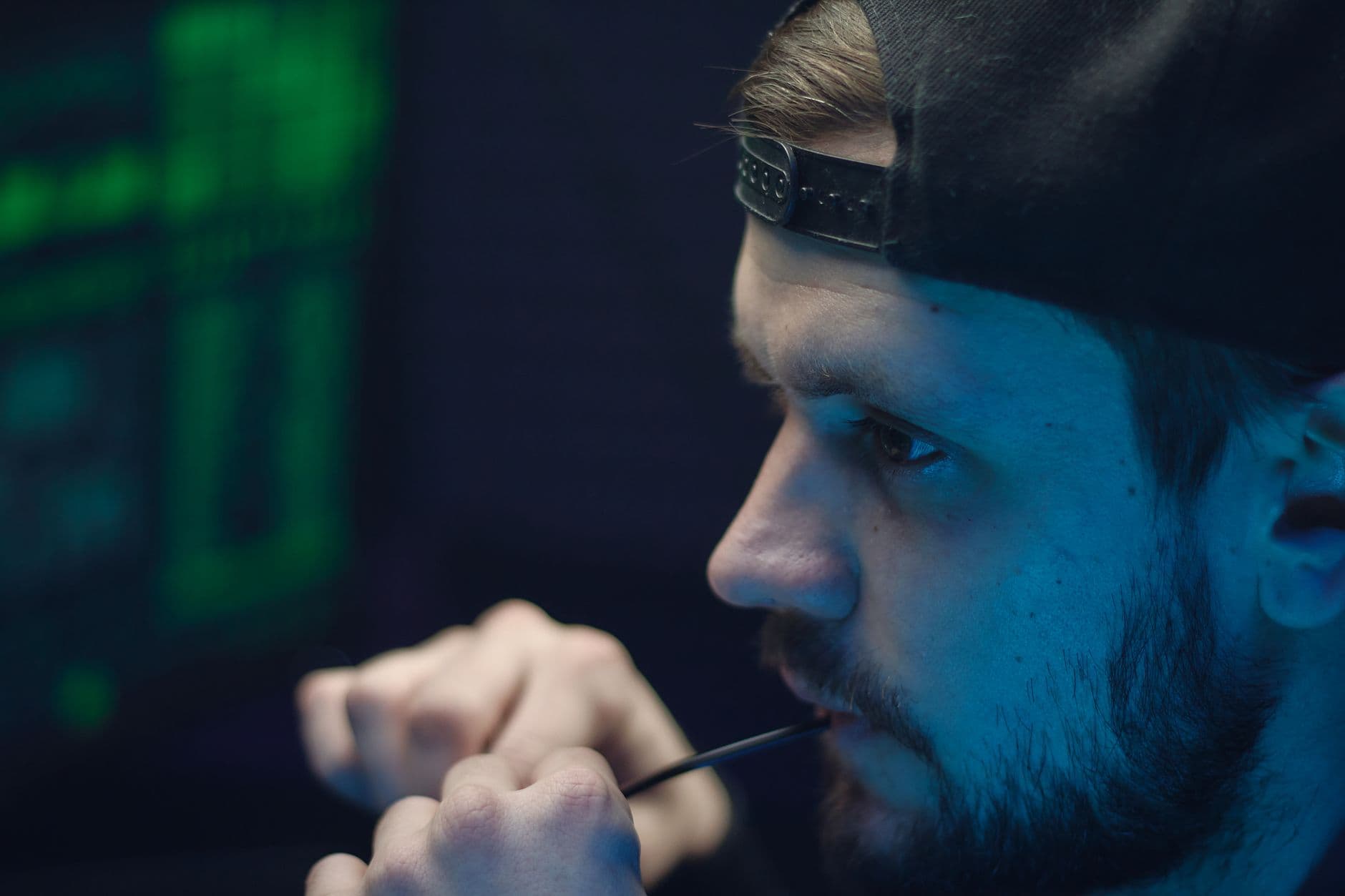
The MD is Dead, Long Live the Root User
We finally did it. We’ve successfully replaced the inconveniently thorough process of clinical diagnosis with the streamlined efficiency of a Reddit thread. The Bodily Oddities database is the ultimate triumph of the 'move fast and break things' ethos, applying it directly to the human biological stack. Why wait six months for a specialist referral when you can crowdsource your rare physiological anomaly to a group of people who think the human body is just a poorly optimized legacy codebase?
There is something deeply poetic about bypassing the 'clinical gatekeeping' of people who actually know where the spleen is located. The medical establishment insists on annoying things like 'peer review' and 'longitudinal studies.' Meanwhile, the internet offers the immediate gratification of finding three other guys in Seattle who also experience a metallic taste in their mouths whenever they compile C++. This isn't just data; it's a revolution in being loudly, collectively wrong about biology.
Debugging the Meat Suit
If you treat your body like a server rack, every glitch becomes a bug report. Traditional medicine has this quaint habit of looking for 'evidence' and 'reproducibility.' The Orphan Symptom database wisely discards these hurdles. It operates on the principle that if enough people describe a sensation as 'a vibrating bee in my left calf,' we have discovered a new systemic condition. It doesn’t matter if it’s just a caffeine-induced muscle fasciculation; if it’s on Hacker News, it’s a breakthrough.
Consider the $3.8 trillion spent annually on healthcare in the United States. A staggering amount of that goes toward diagnostic tools like MRIs and blood panels. The Bodily Oddities approach suggests we could save billions by simply letting developers tag their symptoms with YAML. It turns out that 'standard medical diagnostic coding'—the ICD-10 system that doctors use to actually communicate—is far too restrictive for the creative genius of an anonymous user named @KernelPanic88 who is convinced his skin smells like burnt toast because of a 5G tower.

Photo by https://kaboompics.com/ on Pexels
The Glory of the Unrecognized Cluster
The real magic happens when the algorithm identifies a 'previously unrecognized cluster.' This is silicon-valley-speak for 'finding a pattern in noise.' By aggregating the weirdest physical complaints of the most stressed-out demographic on earth, we are finally mapping the frontier of what happens when you sit in a Herman Miller chair for 14 hours a day. We’re not just finding new diseases; we’re inventing them through sheer statistical willpower.
These clusters fall outside standard medical coding because standard medical coding generally requires a basis in anatomy. When you bypass the gatekeepers, you also bypass the pesky requirement that a symptom be physically possible. If the database says that 40 users have reported 'phantom tooth pain while looking at a blue-light filter,' then by God, we’ve found a syndrome. It’s not a delusion; it’s a data set. And in 2024, if you have a large enough data set, you don't need a doctor; you need a Series A.
What This Actually Means
We are entering an era where the most valuable medical advice comes from someone whose primary qualification is being 'really good at RegEx.' The democratization of medicine sounds great until you realize that 'democracy' in this context means 'whoever has the loudest keyboard wins.' We are effectively trading the expertise of people who studied the Krebs cycle for the enthusiasm of people who think they can optimize their REM cycle with a spreadsheet.
Ultimately, this database is the perfect mirror for our times. We trust the crowd more than the expert because the crowd tells us what we want to hear: that our weird habits are actually part of a fascinating, undiscovered biological phenomenon. It turns out that the most effective way to feel special is to find a community of people who are just as weirdly broken as you are, and then give that brokenness a catchy, non-clinical name.
Medical schools might want to start teaching their students how to navigate GitHub. If the current trend holds, the next great cure won't come from a lab in Switzerland, but from a 'Show HN' post that gets 400 points and a dozen 'I thought I was the only one' comments. Science is a slow, grueling process of elimination. Crowdsourcing is just a fast way to confirm your own biases while feeling like a pioneer.
Quick Answers
Is this database a replacement for my actual doctor?
Only if you prefer your medical advice to come with a 'Terms of Service' agreement and no malpractice insurance.
What happens if I find a 'cluster' that matches my symptoms?
Congratulations, you have successfully diagnosed yourself with being an internet user; please consult a psychiatrist before ordering unverified supplements from a podcast sponsor.
Why do doctors ignore these 'orphan symptoms'?
Usually because they are looking for things that can be measured with instruments rather than feelings that can be described with adjectives.
Is there any risk to bypassing clinical gatekeeping?
Only the minor risk of misdiagnosing a treatable condition while you wait for a developer to finish the 'v2.0' patch for your self-identified syndrome.


