The Architecture of Non-Intrusive Observation
We have spent the last decade turning our homes into glass houses under the guise of security and connectivity. The rise of the 'smart home' brought with it a Faustian bargain: to understand our environment, we had to surrender our privacy to high-definition cameras and cloud-linked microphones that process every domestic sound. This recently surfaced project—an e-ink frame that translates bird calls into 1800s-style illustrations—suggests a more dignified path forward. It represents a move toward 'passive bio-surveillance,' where the goal is not to capture raw data for a corporate server, but to translate environmental signals into meaningful, local insights.
This isn't merely a piece of decor. It is a functional rejection of the surveillance-capitalism model that has come to define modern hardware. By focusing on acoustic signatures rather than visual streams, these devices provide a high-fidelity map of local biodiversity without the thermal or ethical footprint of a 24/7 video feed. We are seeing the birth of a new category of technology that treats the user as a custodian of their local ecosystem rather than a data point to be harvested.
The Gravity of the Acoustic Record
Sound is the most honest indicator of ecosystem health. While a camera can be easily obstructed or limited by its field of view, audio sensors can capture the presence of species across hundreds of yards in every direction. In a world where we have lost nearly 3 billion birds in North America alone since 1970, the act of cataloging what remains is a somber necessity. These devices do not just show us what is there; they create a ledger of what we are losing. The use of e-ink is a deliberate choice here, reflecting a philosophy of permanence and low energy consumption that mirrors the slow, steady pace of ecological change.

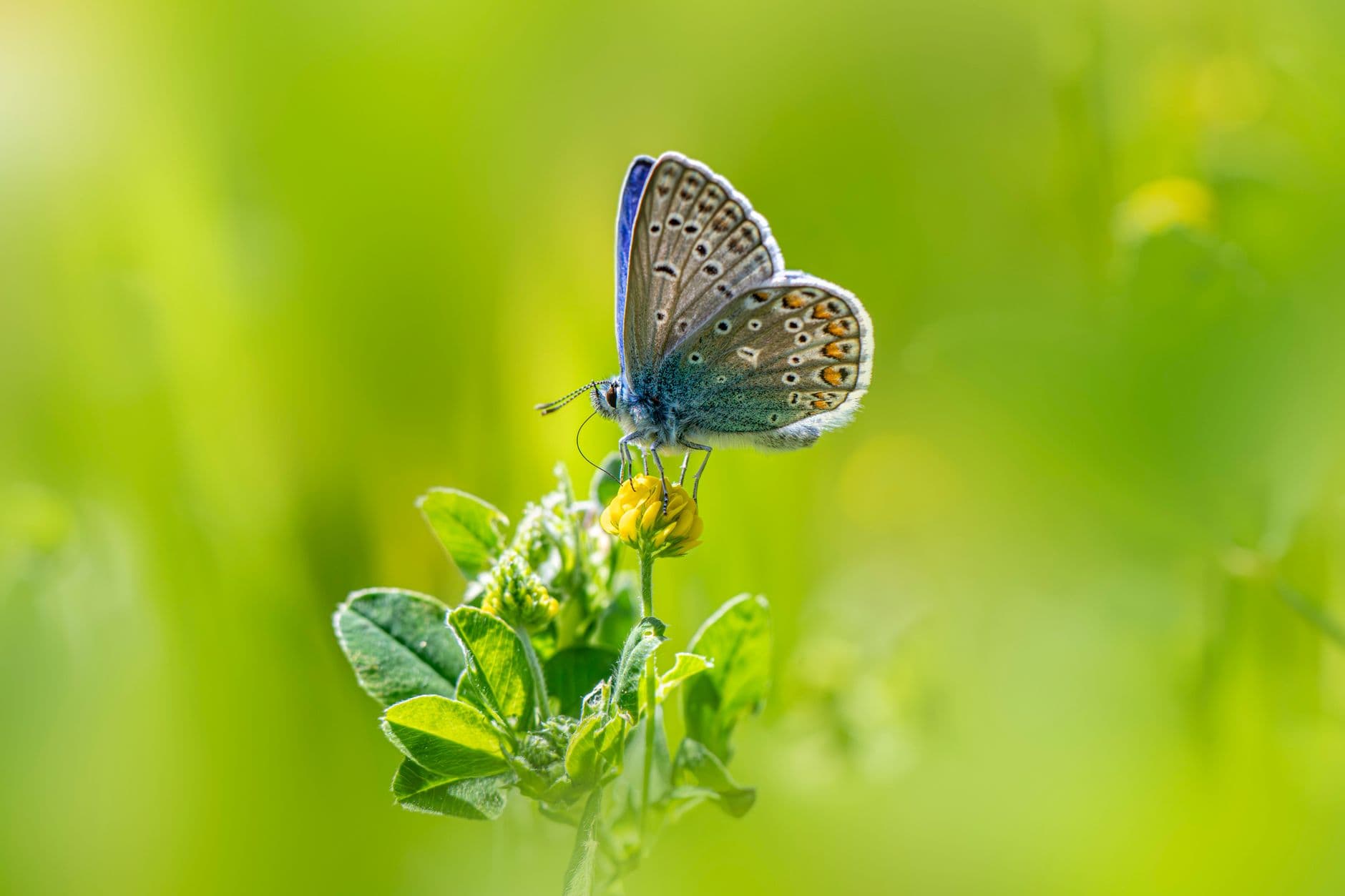
Photo by RDNE Stock project on Pexels
When we transition to acoustic sensing, we remove the most dangerous element of the smart home: the visual identification of people. An acoustic sensor tuned to the frequency of a Northern Cardinal or a Wood Thrush has no interest in the human faces passing by. It ignores the domestic and focuses on the wild. This technological boundary is essential if we are to scale citizen science to the level required to track climate-driven migration patterns. People will not install surveillance equipment in their backyards if they feel watched, but they will install a witness that listens only for the vanishing songs of the forest.
Decentralizing the Lab
Traditional ecological research is often hampered by the 'observer effect'—the presence of humans or loud, intrusive equipment alters the very behavior being studied. Passive sensors solve this by disappearing into the background. When thousands of these devices are deployed in urban environments, they create a decentralized laboratory that no university or government agency could ever afford to build on its own. It turns the city from a biological desert into a monitored corridor, allowing us to see how species are adapting to urban heat islands and noise pollution in real-time.
- Localized processing ensures that no audio ever leaves the device, preventing the creation of a centralized database of human activity.
- Low-power e-ink displays reduce the 'digital noise' in a home, providing information without the cortisol-spike of a glowing LED screen.
- High-fidelity acoustic models allow for the identification of rare species that would otherwise go unnoticed by the untrained human ear.
This model of citizen science moves us away from the 'gamification' of nature and toward a more contemplative form of participation. It asks the homeowner to be a quiet observer of a process that is much larger than themselves. By removing the friction of data privacy concerns and the aesthetic clutter of traditional electronics, we allow the science to become a seamless part of the living environment.
What This Actually Means
This shift toward passive, privacy-preserving sensors is the only way forward for the Internet of Things. We are reaching a point of 'surveillance fatigue' where the average consumer is rightfully suspicious of any device with a lens or a cloud-connected microphone. If we want to solve the massive data gaps in our understanding of biodiversity loss, we must build tools that people actually want to live with. The 'citizen-science-as-decor' movement proves that utility and beauty are not mutually exclusive, and that the most powerful data is often the most quietly collected.
Ultimately, this is about restoring a sense of agency to the individual. In the face of a global climate crisis that feels overwhelming and abstract, having a device that identifies a migrating warbler in your own backyard provides a concrete connection to the stakes of the struggle. It transforms the home from a consumerist bunker into an outpost for environmental observation. We are finally learning that to truly hear what the planet is telling us, we first have to stop recording ourselves.
Quick Answers
Does this device record my conversations?
No, the hardware is specifically designed to filter for avian frequencies and process the data locally, meaning no human speech is transcribed or uploaded to a cloud.
How does this help scientists?
Aggregated, anonymous data on species arrival and departure dates helps researchers track how climate change is shifting migration patterns and nesting habits in real-time.
Why use e-ink instead of a normal screen?
E-ink consumes power only when the image changes and produces no blue light, making it a sustainable choice that doesn't contribute to the light pollution or eye strain common with traditional displays.