Someone built a little battery-powered e-ink frame, tucked an acoustic classifier inside it, and programmed it to draw 1800s-style natural history illustrations whenever a bird calls nearby. It showed up on Hacker News last week, and I haven't stopped thinking about it since. We spend billions of dollars hermetically sealing ourselves away from the outside world, yet here is an engineer using cutting-edge machine learning just to invite a sparrow back onto their wall.
Why did this specific hack resonate with tens of thousands of people in twenty-four hours? It hints that our relationship with the sounds of civilization has hit a wall. We have treated noise control as an engineering problem of pure subtraction for a century, but subtraction leaves you with a void. What if the real goal isn't silence, but a specific kind of presence?
The Fallacy of the Silent Tomb
For nearly a century, architectural acoustics has run on a single, ruthless metric: the Sound Transmission Class (STC). The higher the STC rating, the more decibels your triple-glazed, argon-filled window can block. We engineered cities to keep the scream of tires and air conditioning compressors out of our living rooms. In doing so, we treated all exterior sound as toxic run-off.
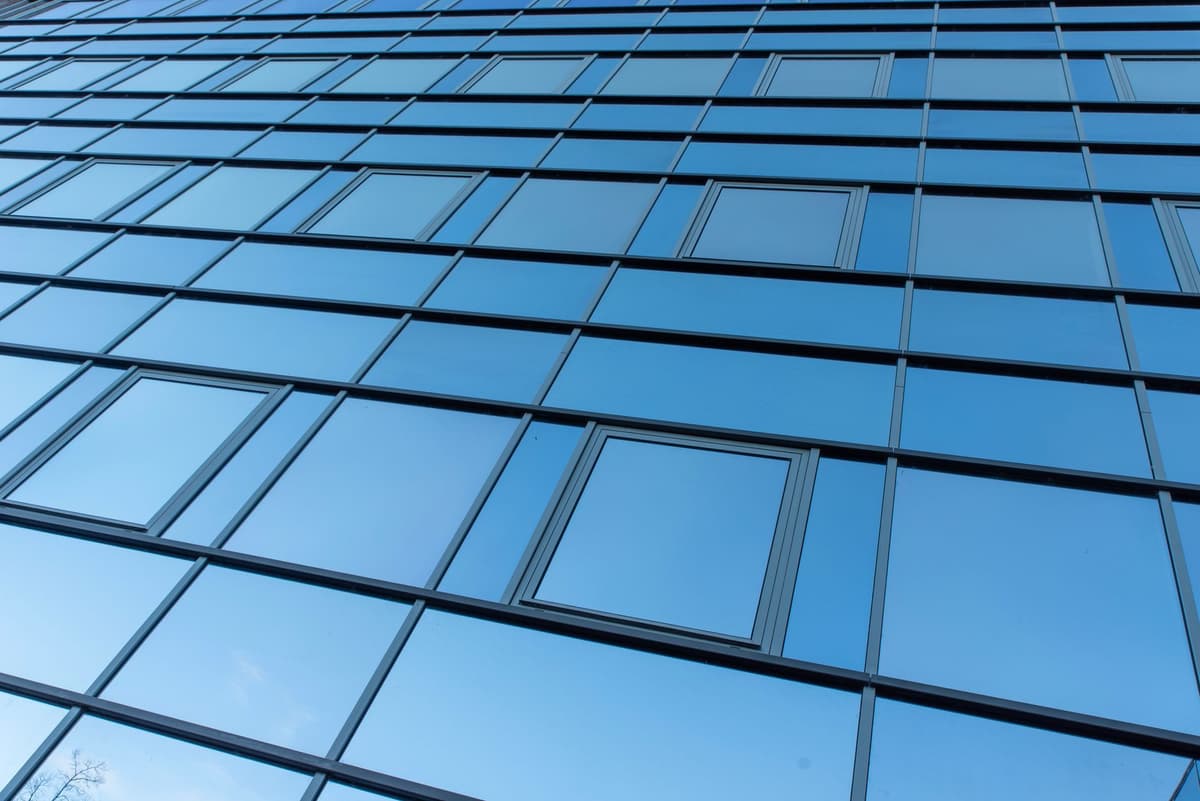
Photo by Jan van der Wolf on Pexels
Look at the data on what that silence actually does to us. Epidemiological studies from the World Health Organization suggest chronic environmental noise causes at least 1.6 million healthy life years lost annually in Western Europe alone. So we build thicker walls. We buy active noise-canceling headphones. We turn our apartments into sensory deprivation tanks, then immediately open an app that plays simulated rain sounds to keep from losing our minds.
We didn't actually want silence. We wanted an acoustic ecology that makes biological sense to a nervous system that evolved outdoors. A room that completely isolates you from the temporal cues of dawn, rain, and dusk isn't a sanctuary; it is a velvet-lined sensory bunker.
Geometry That Sings Back
What happens when you treat natural sound not as an accident, but as civil infrastructure? This isn't speculative fiction anymore. A growing cohort of landscape architects and envelope engineers are ditching flat, reflective glass facades in favor of textured, diffusive envelopes that actively shape urban soundscapes.
Consider how sound behaves in a typical glass-and-steel street canyon:
- Parallel, hard surfaces bounce vehicular rumblings back and forth, amplifying low-frequency engine drone
- High-frequency sounds like biological calls get swallowed by turbulence or smothered under the 65-decibel ambient hum
- Deep courtyards turn into echo chambers where a single slammed door rings out like an industrial accident
Now look at the alternatives emerging in cities like Singapore and Zurich. By using porous terracotta tiles, jagged masonry, and deep-pocket green walls, new facades are tuned to scatter low frequencies while acting as natural whispering galleries for higher acoustic bands. In 2021, researchers at the acoustic lab at TU Delft demonstrated that specific configurations of vegetated brickwork can reduce perceived traffic rumble by up to 6 decibels while leaving the delicate, intermittent calls of passerine birds audible across an entire public plaza. You aren't just dampening the street. You are actively filtering the city to let the living parts through.
The Rise of Multispecies Courtyards
If you wander into a standard European perimeter block from the late nineteenth century, the courtyard acts as an accidental acoustic sanctuary. You step through a stone archway, the city cuts out, and suddenly you hear dripping water and swifts darting between chimneys. That wasn't an accident of history, but modern developments managed to forget the trick for fifty years while maximizing floor-plate efficiency.
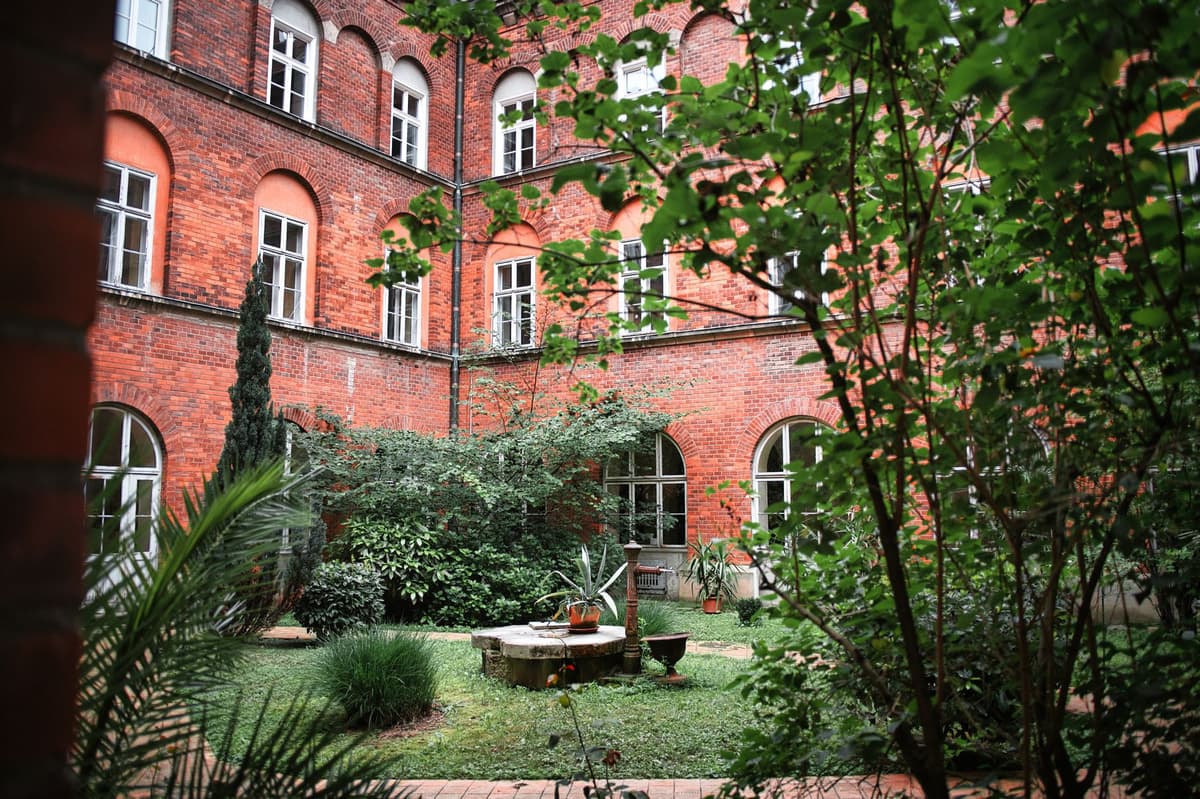
Photo by ᛟᛞᚨᛚᚹ ᚨᚱᚲᛟᚾᛊᚲᛁ on Pexels
Architects are rediscovering that bird song isn't just nice background music; it is an acoustic signpost of safety. Decades of evolutionary psychology suggest our brains interpret varied, moderate birdsong as a signal that predators and immediate hazards are absent. When birds go abruptly quiet, we tense up. When we hear nothing at all, our ambient anxiety climbs.
Forward-thinking firms are now modeling the "acoustic envelope" of internal courtyards using ray-tracing software previously reserved for concert halls. They aren't trying to make the courtyard dead quiet. They are angling balcony undercrofts to funnel birdsong downward into ground-floor windows. They are selecting shrubs not just for their drought resistance, but for the pitch and rustle of their dry leaves in a four-knot breeze. The city becomes an acoustic lens rather than a deafening wall.
What This Actually Means
That little e-ink picture frame on Hacker News struck a nerve because it exposes a profound technological longing. We are tired of devices that demand our active attention, and we are equally tired of smart-home gadgets that merely monitor us. What we want are interfaces that connect our indoor cages to the ecological realities carrying on just outside the drywall.
It marks a shift from reactive noise dampening to intentional biophilic acoustics. We spent the twentieth century learning how to silence the machine age with concrete and acoustic foam. The task of twenty-first-century urbanism is learning what we actually want to listen to once the machines are quieted.
When a wall can identify the difference between a diesel brake and a mourning dove, the wall ceases to be a barrier. It becomes a translator, reminding us that we never truly left the forest; we just built very loud boxes inside it.
Quick Answers
What is biophilic acoustic architecture?
It is the practice of designing buildings, materials, and urban spaces to deliberately foster, amplify, and integrate natural sounds like birdsong, wind, and water, rather than solely focusing on blocking unwanted noise.
Does birdsong genuinely reduce human stress levels?
Yes. Multiple clinical studies indicate that listening to diverse, natural bird vocalizations measurably lowers cortisol levels and aids recovery from mental fatigue far better than artificial silence.
Can building materials really selectively block traffic while preserving nature sounds?
Yes. Low-frequency traffic noise requires high mass and specific damping to absorb, while higher-frequency natural sounds can be reflected, diffused, or preserved using textured surfaces, vegetation, and perforated facade panels.


