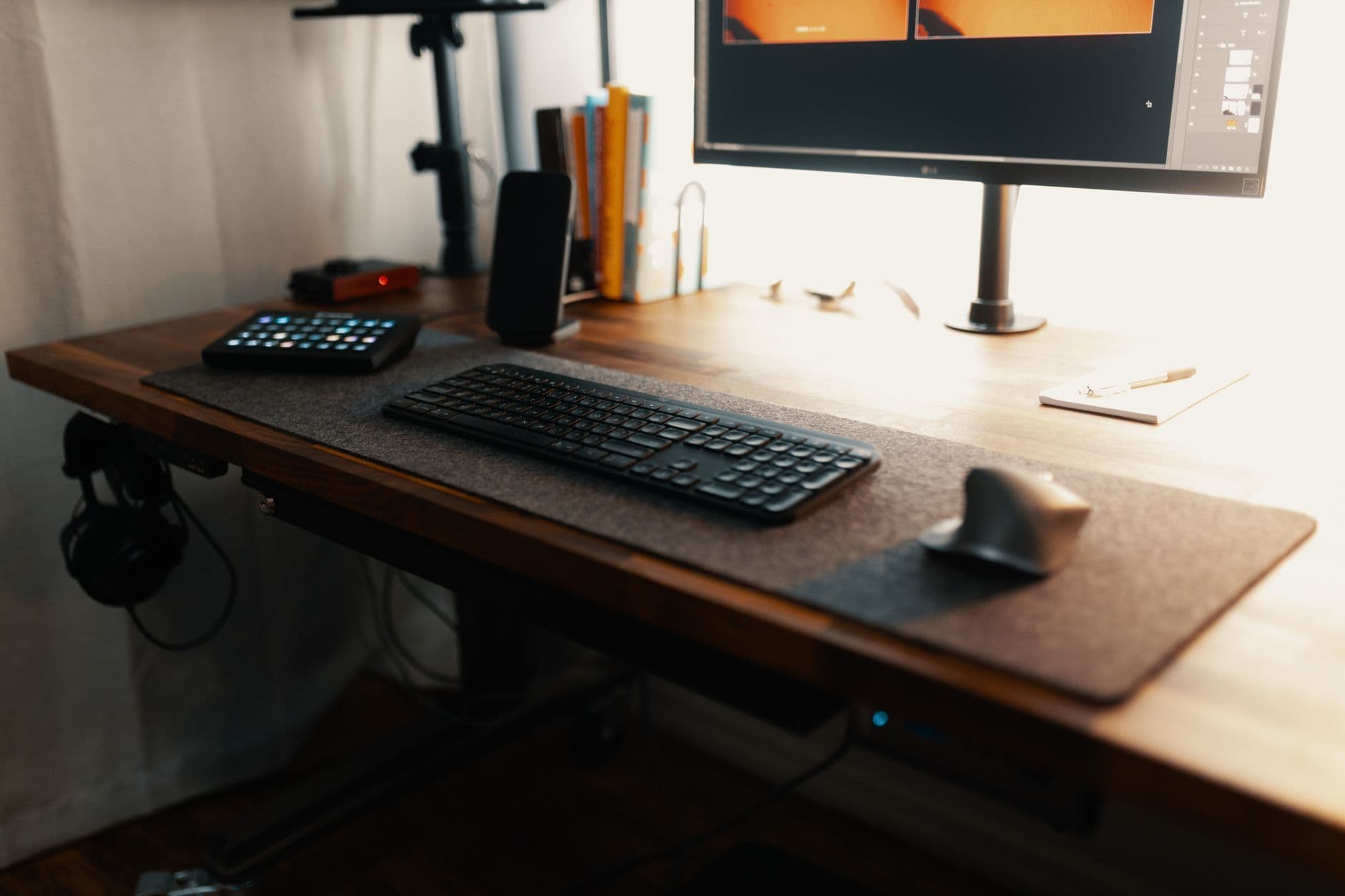
A fresh study of 7,700 corporate employees just proved what we all quietly knew: people working from home have the highest psychological well-being of any labor demographic on the planet. Naturally, we took this profound victory for human sanity and immediately channeled it into buying $4,000 orthopedic exoskeletons and smart furniture that judges our posture.
Five years ago, the dream of remote work was simple. You were going to sit on a sun-drenched porch with a Macbook Air, a flat white, and a gentle breeze rustling your linen shirt. That illusion lasted approximately forty-eight hours until your thoracic spine folded into an accordion. Now the market for portable "lifestyle" gadgets is cratering while white-collar professionals build commercial-grade sensory deprivation chambers in their split-level suburban homes.
The Great Leap from Kitchen Stool to Cybernetic Throne
Nobody warned us that the human spine was not designed to process quarterly earnings spreadsheets while hunched over a breakfast bar. After eighteen months of slouching like a startled possum on a wooden dining chair, the modern remote worker snapped. We collectively abandoned the fantasy of the nomadic digital creator and demanded industrial machinery.

The global home office hardware industry is currently sprinting toward clinical absurdity. We aren't buying cute lap desks anymore. We are buying motorized steel desks capable of lifting an adult male elk and ergonomic chairs engineered by German orthopedic surgeons who clearly hold a grudge against slouching.
- Biometric micro-climate seat cushions: If your tailbone increases in temperature by 0.4 degrees Celsius, a built-in peltier cooling loop activates to refrigerate your buttocks back to baseline.
- Acoustic zoning pods: Velvet-wrapped fiberglass monoliths designed to create a "cone of silence" so intense you can hear your own red blood cells bouncing off your eardrum.
- Clinical posture harnesses: Bluetooth-enabled strap systems that administer gentle, humiliating haptic vibrations to your shoulder blades whenever you dare to relax.
We haven't liberated ourselves from the office. We have built high-security panopticons inside our guest bedrooms, powered entirely by USB-C.
Welcome to Your Personal Atmospheric Micro-Zone
The craziest pivot in consumer electronics right now is the rise of micro-climate hardware. In a standard corporate office, the thermostat is controlled by an invisible, vengeful facility manager named Gary who insists on keeping the floor at a crisp meat-locker temperature of 64 degrees Fahrenheit. At home, you are your own Gary, and you have infinite power.
Consider the new wave of desktop atmospheric regulators. These are not humble desk fans bought at a drugstore for twelve bucks. These are $600 desktop wind tunnels that monitor your skin moisture, track ambient humidity via infrared sensors, and shoot laminar streams of ionized, lavender-scented air directly at your forehead.
If you drop a pencil, the smart air purifier detects the microscopic dust disturbance and accelerates into jet-turbine mode to protect your pristine breathing zone. It is pure hypochondria disguised as productivity. We are one hardware generation away from people wearing fighter-pilot oxygen masks during weekly Zoom syncs just to optimize their cognitive oxygen saturation.
The Acoustic Fortress of Solitude
Then there is the audio arms race. When remote work began, people bought cute noise-canceling headphones to drown out the neighbor's lawnmower. Today, people are lining their drywall with heavy acoustic zoning furniture—giant felt baffles and upholstered hex-panels that make a domestic nursery look like a high-end recording studio for Scandinavian death metal.
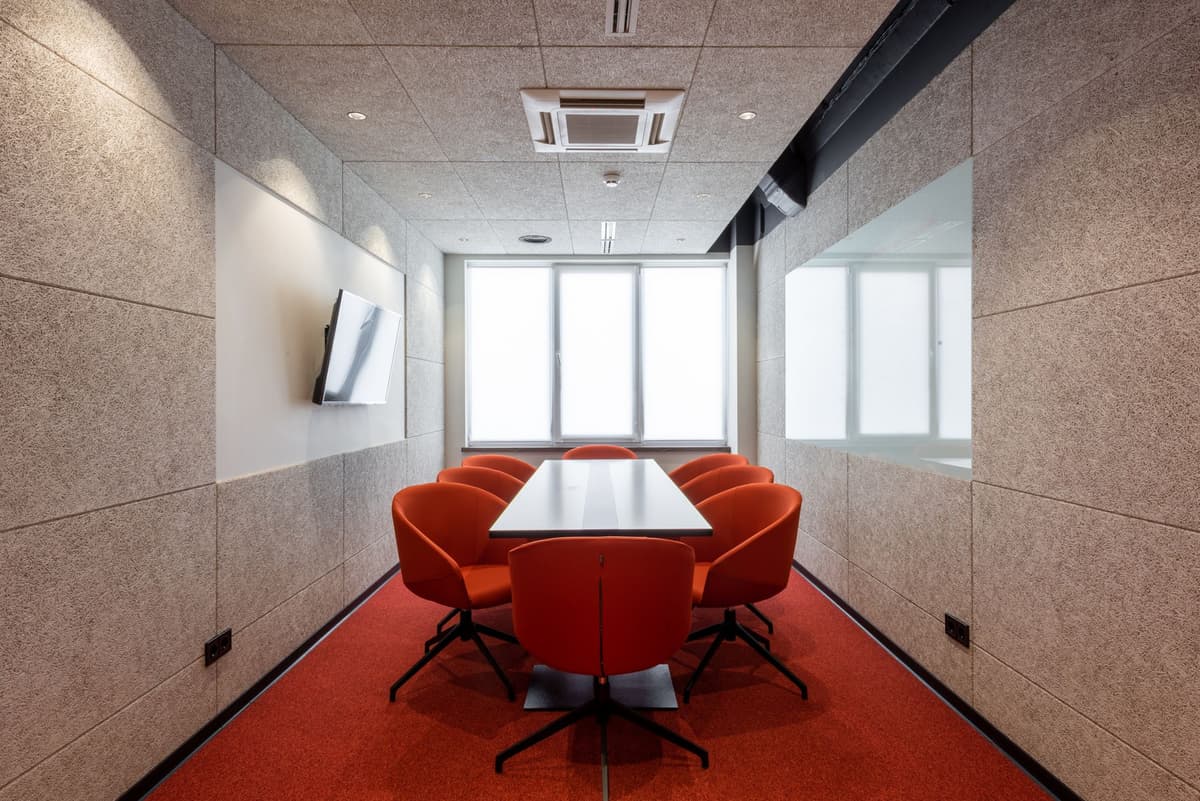
Photo by Max Vakhtbovych on Pexels
I recently saw a promotional video for an "acoustic privacy pod" for the home. It is quite literally a padded phone booth you install in your living room. You step inside, seal the airtight pneumatic door, and stare through triple-glazed acoustic glass at your family eating dinner ten feet away. You are smiling. They are smiling. You can hear nothing. You are completely safe from the horror of casual human conversation.
This is the ultimate evolution of the white-collar workspace. We hated the open office because we could hear Dave chewing almonds. So we spent thousands of dollars to construct a personal vacuum chamber where the only sound is the low, ominous hum of our own clinical-grade lumbar support.
What This Actually Means
The fact that remote workers report record-high well-being isn't a fluke. It is a genuine, structural shift in how people want to live. But the gadget industry's reaction reveals something hilarious about our collective psychology: we cannot simply enjoy being comfortable. We have to optimize it until it resembles aerospace engineering.
We spent decades enduring bad fluorescent lighting, broken swivel chairs, and aggressively lukewarm breakroom coffee. Given the freedom to fix those problems at home, we didn't just fix them; we completely over-corrected into a high-tech domestic arms race. If an executive wants me to return to a physical office, they will have to pry me out of my climate-controlled, posture-correcting sensory pod with a crowbar.
Take the well-being win. You are happier at home because you have control over your environment, your time, and your dignity. Just remember that you're answering emails about marketing copy, not navigating a lunar lander through the upper atmosphere—even if your chair did cost more than a used Honda Civic.
Quick Answers
Did the study actually show remote workers are happier?
Yes. In the survey of 7,700 professionals, remote workers consistently scored highest in overall psychological well-being and lowest in daily workplace-related stress.
What is driving the shift toward heavy office hardware?
After realizing remote work is permanent, employees stopped buying temporary "travel" tech and started investing in industrial-grade furniture to prevent long-term musculoskeletal damage.
Do you actually need a smart posture wearable?
No. You just need to stand up occasionally, go outside, and remember what natural sunlight looks like before your smart lamp attempts to simulate it for you.


