The Ghost in the Social Machine
I can’t stop thinking about the idea that our career paths might be determined by the 'background radiation' of our childhood friends' living rooms. We usually talk about social mobility in terms of cold, hard resources—better schools, tutors, or a dad who can get you a summer internship at a hedge fund. But recent data suggests something much more subtle and, frankly, more haunting. It’s the concept of economic connectedness: the simple measure of how much low-income and high-income people actually hang out.
When a child from a low-income background grows up with friends from high-income families, their lifetime earnings increase by an average of 20%. That’s a staggering number. It’s not just a statistical blip; it’s a tectonic shift in a life’s trajectory. What fascinates me isn't the networking aspect—that’s the boring, obvious part. What fascinates me is the psychological permission. It’s the possibility that watching a friend’s parent navigate a high-stakes career makes that career feel like a default setting rather than a lottery win.
The Psychology of the Possible
There is this specific, quiet confidence that comes from proximity. If you grow up in a circle where everyone works hourly jobs, the idea of starting a venture-backed tech company or becoming a neurosurgeon feels like a plot point from a movie. It’s fiction. But if you spend your weekends at a friend’s house where the dinner table conversation involves quarterly earnings or the nuances of law, the fiction starts to look like a manual. You aren't just learning how to do these things; you’re learning that they are things people actually do.
I wonder if we underestimate how much 'risk tolerance' is actually just 'familiarity.' To someone who has never seen a business fail and recover, starting a company looks like jumping off a cliff. To someone who grew up around entrepreneurs, it looks like a calculated move on a familiar board. We call it grit or ambition, but maybe it’s just a lack of existential terror because the path has already been demystified. The 'Friending Gap' suggests that our social imagination is a claustrophobic space unless someone else opens a window.

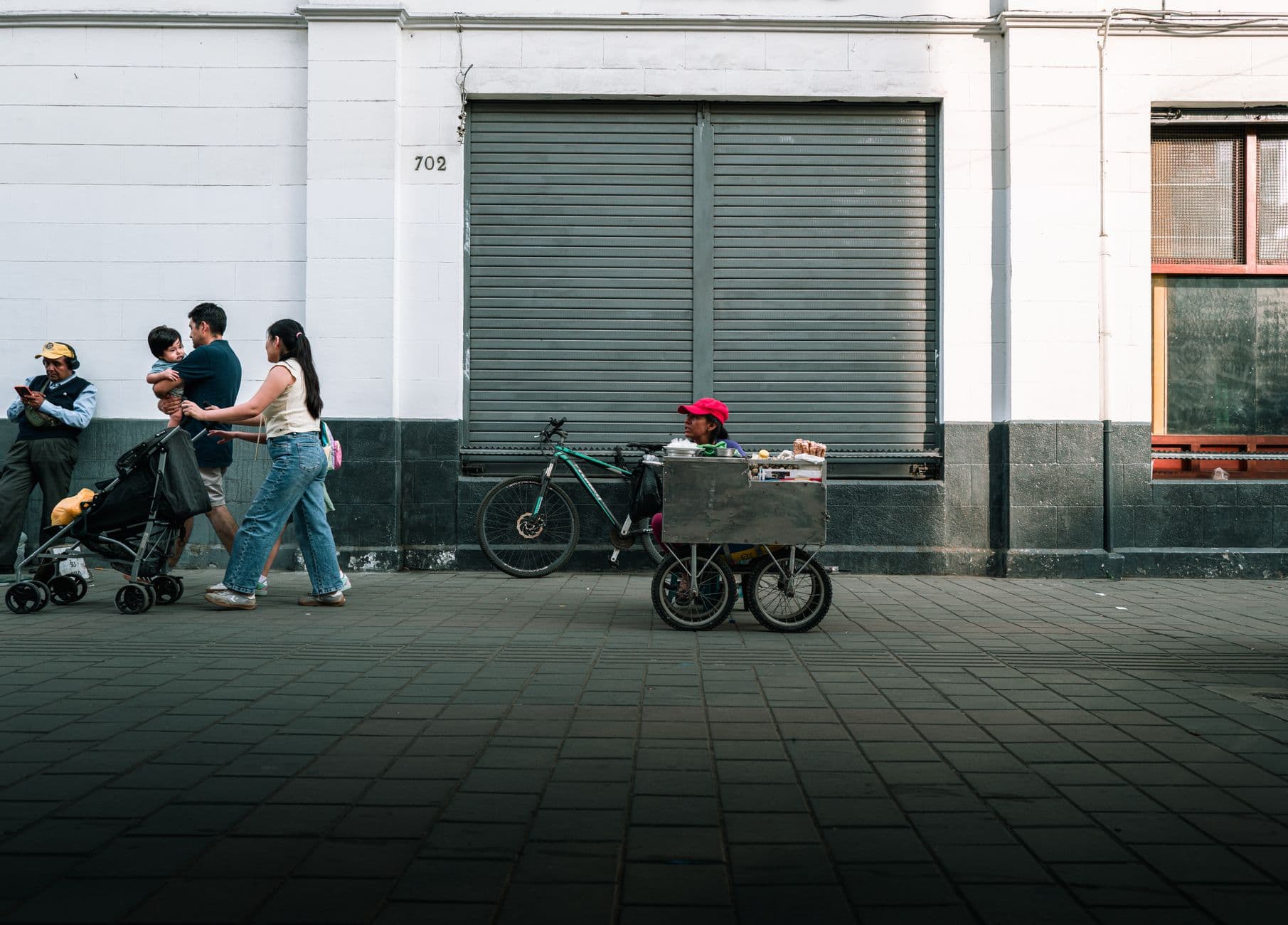
Photo by Efrem Efre on Pexels
The Accidental Ambition Loop
This leads to a weird phenomenon I’ve started calling accidental ambition. It’s the drive you didn't know you had because you didn't realize there was any other way to be. When your social circle treats high-status roles as the baseline, you don't feel 'ambitious' for pursuing them—you just feel like you’re keeping up with the group. It removes the friction of choice. You don't have to spend energy convincing yourself that you belong in the room because you’ve been in the living room for a decade.
- Exposure reduces the 'imposter syndrome' tax before the career even begins.
- Cross-class friendships provide a linguistic bridge, teaching kids the specific vernacular of the professional class.
- It creates a safety net of perception; if your friend's family survived a career pivot, you assume you can too.
But what happens to the kids on the other side of the gap? If economic segregation continues to rise—and it is—we are essentially building silos of reality. In one silo, the world is a place of agency and high-stakes play. In the other, the world is a place of labor and survival. If you never see the bridge, you don't even think to look for it. It makes me wonder if the most valuable thing a school can provide isn't a curriculum, but a diverse lunch table.
What This Actually Means
If economic mobility is actually rooted in 'social imagination,' then our current fixes are mostly cosmetic. You can give a kid a scholarship, but if they still feel like an alien in the environment that scholarship sends them to, the outcome is muted. We focus so much on the 'hard' infrastructure of success—the degrees and the certifications—that we ignore the 'soft' infrastructure of belonging. We are trying to fix a hardware problem with software updates.
Real mobility might require a radical rethinking of how we design our physical world. It means zoning laws, public transit, and urban planning aren't just about logistics; they are about psychological engineering. If we keep building neighborhoods that are economically homogenous, we are literally capping the imagination of the next generation. We are deciding, by default, who gets to feel brave.
Ultimately, I’m left wondering how many brilliant minds are currently stuck in a loop of low expectations simply because they’ve never seen a version of themselves succeed in a different way. It’s a quiet tragedy of missed connections. If the 'Friending Gap' is the primary driver of the American Dream, then the dream isn't about hard work at all—it's about who you were allowed to play with when you were ten.
Quick Answers
Is this just about getting jobs through friends?
No, the research suggests the effect exists even when people move to different cities; it’s about the shift in aspiration and behavior, not just direct referrals.
Does this mean poor kids aren't ambitious?
Not at all, it means their ambition is often directed toward known paths because the high-stakes paths haven't been 'de-risked' by personal observation.
Can we fix this with social media?
Unlikely, because digital 'friendships' lack the deep, lived-in observation of a friend's daily life that actually rewires your sense of what is normal.


