
The fundamental architecture of personal computing has remained largely unchanged since the 1980s. Whether you are using a command line or a touch screen, the paradigm is the same: you provide an input, the machine provides an output. You are the operator; the software is the tool. But the emergence of autonomous agent runtimes like OpenShell signals the death of this reactive model. We are moving toward an era of 'software as an employee,' where our devices do not wait for instructions but instead manage complex, multi-step workflows across personal ecosystems.
This is not merely an upgrade to Siri or Alexa. Those are interfaces. OpenShell and its contemporaries are environments—private, sandboxed runtimes designed specifically to house agents that can think, plan, and execute. For the first time, the consumer is being positioned not as a user, but as a manager of a digital workforce. This shift demands a total reassessment of how we view privacy, agency, and the very purpose of owning a gadget.
The Infrastructure of Autonomy
To understand why a dedicated runtime like OpenShell matters, you have to look at the limitations of current AI. Most people interact with large language models through a chat box. This is a narrow straw. An autonomous agent, however, needs a place to live, a way to access your files securely, and the ability to interact with the web without a human clicking every button. This is what a runtime provides. It is the virtual office space where your digital laborers sit and do their work.
By prioritizing privacy and local execution, these runtimes solve the trust gap that has stalled AI adoption in the enterprise and the home. If an agent is going to manage your bank transfers, book your travel, or reorganize your sensitive documents, it cannot be a cloud-based service that hoovers up your data for training. OpenShell’s approach emphasizes that for an agent to be useful, it must be private. We are seeing the rise of a 'Personal Cloud'—a localized, encrypted environment where autonomous labor happens behind a firewall that the user alone controls.
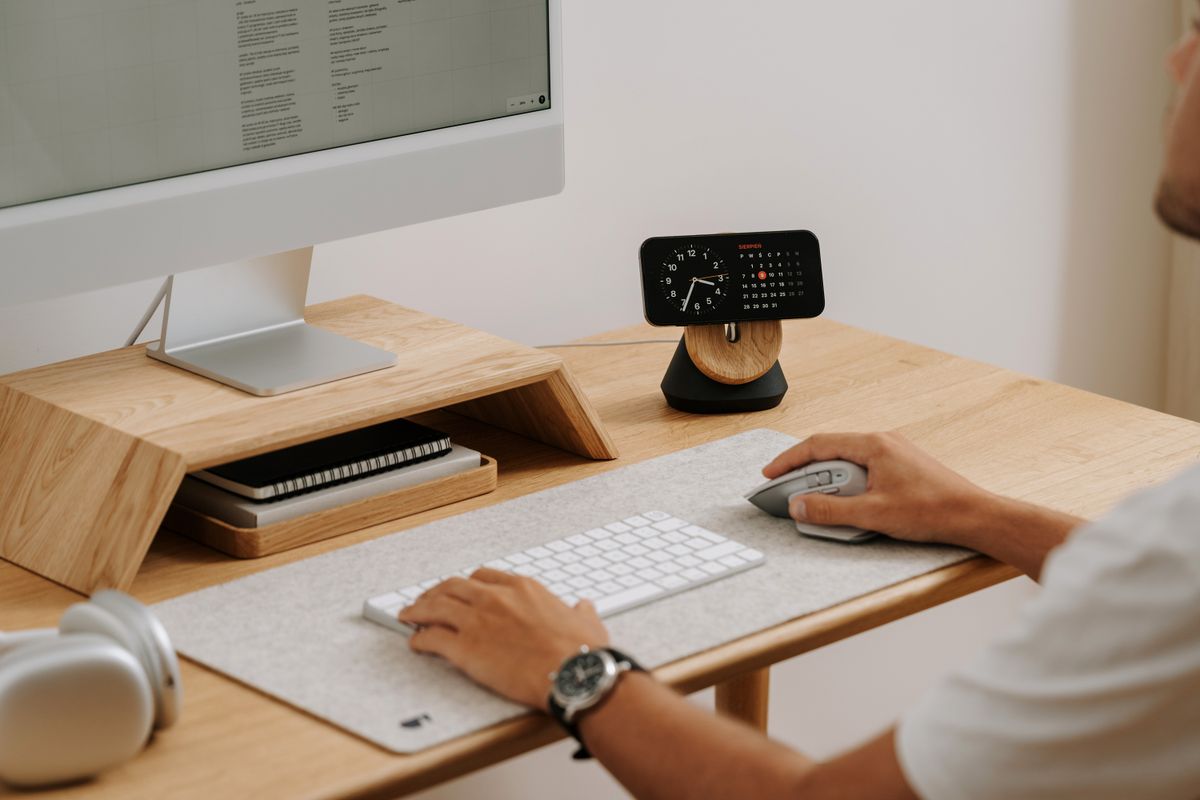
Photo by Mateusz Haberny on Pexels
From Applications to Outcomes
In the old paradigm, we bought apps to perform tasks. You bought a photo editor to edit photos. You opened a browser to find information. In the new paradigm, the app is an antique concept. You don't want a travel app; you want a trip to Tokyo. You don't want a spreadsheet app; you want a quarterly tax filing completed. Autonomous runtimes allow developers to build 'skills' rather than interfaces, turning the software into a goal-oriented entity.
- Continuous Operation: Unlike standard apps, agents in these runtimes can work while you sleep, monitoring markets or organizing data streams.
- Inter-Agent Communication: Different agents within a private runtime can collaborate, with a 'manager' agent delegating tasks to 'specialist' agents.
- Resource Management: The runtime governs how much CPU or battery an agent can consume, treating digital labor like a utility.
This transition means that hardware manufacturers must rethink their designs. A smartphone designed for an agent-centric world doesn't need to prioritize a screen for six hours of daily interaction. It needs to prioritize secure enclaves, neural processing units (NPUs), and persistent connectivity. The gadget is becoming a silent orchestrator of labor rather than a glowing window for consumption.
The Burden of Management
There is a hidden cost to this shift: the transition from 'doing' to 'managing' is mentally taxing in a different way. When you use a tool, you are responsible for the process. When you manage an employee—even a digital one—you are responsible for the outcome. This requires a new kind of digital literacy. Users must learn how to set boundaries, define success metrics, and audit the work of their agents.
If your autonomous agent makes a mistake—say it books a non-refundable flight on the wrong day because it misinterpreted a calendar entry—the friction between man and machine becomes acute. This is why the 'safety' aspect of runtimes like OpenShell is so critical. They aren't just running code; they are enforcing a policy layer. They act as a digital constitution, ensuring that an agent’s autonomy never exceeds the user’s intent. We are building the cages at the same time we are breeding the lions.
What This Actually Means
The arrival of robust, private agent runtimes marks the beginning of the 'Post-App' economy. By 2026, the primary value of a high-end consumer device will not be its screen resolution or its camera, but its 'Agent Capacity'—how many autonomous processes it can reliably and privately host at once. We are moving away from a world where we spend our lives serving our devices, clicking and swiping in a never-ending cycle of manual labor.
Instead, we are entering a period of radical delegation. This will free up human cognitive bandwidth on a scale we haven't seen since the industrial revolution, but it will also make us more dependent on the underlying infrastructure than ever before. If your digital workforce goes offline, your ability to function in a modern economy could be severely hampered. We are trading the autonomy of the tool for the efficiency of the employee.
Ultimately, OpenShell and its peers are not just software projects; they are the blueprints for a new social contract between humans and silicon. We are no longer just users. We are directors of a private, digital enterprise, and our success will depend on how well we manage the machines that work for us.
Quick Answers
Is OpenShell just another AI chatbot?
No, it is a runtime environment that allows AI agents to operate autonomously, access local files, and execute tasks without constant human prompting.
Why does the runtime need to be private?
Autonomous agents require access to sensitive personal and financial data to be effective; a private runtime ensures this data never leaves the user's local hardware.
Will this replace traditional apps?
It will likely relegate apps to the background, where they serve as APIs or tools for agents to use, rather than interfaces for humans to click.

