Modern civilization is built on a foundation of sacrificed geographies. We treat the disappearance of Neatsville, Kentucky—a town systematically submerged in 1969 to create Green River Lake—as a historical footnote or a haunting curiosity for divers. In reality, it represents a brutal calculation of utility where rural identity is liquidated to secure the industrial and residential future of expanding urban centers.
The Calculation of Human Displacement
Infrastructure is never neutral; it is an act of physical priority. When the U.S. Army Corps of Engineers began the Green River Lake project in the late 1960s, they weren't just managing flood control or generating power. They were deciding that the physical footprint of Neatsville—its general store, its homes, its social fabric—was worth less than the mitigation of downstream flood risks for larger economic hubs. This is the core of 'managed retreat,' a term that sounds like a strategic military maneuver but often feels like an eviction notice written by a computer.
There is a specific violence in the way we dismantle a town before the water arrives. In Neatsville, buildings were moved, razed, or stripped to the bone. This wasn't a sudden natural disaster; it was a slow, bureaucratic drowning. We ask rural populations to bear the psychological weight of losing their heritage so that a city three counties away can have stable electricity and a reliable reservoir. The ethics of this trade-off are rarely debated in the rooms where the blueprints are signed.
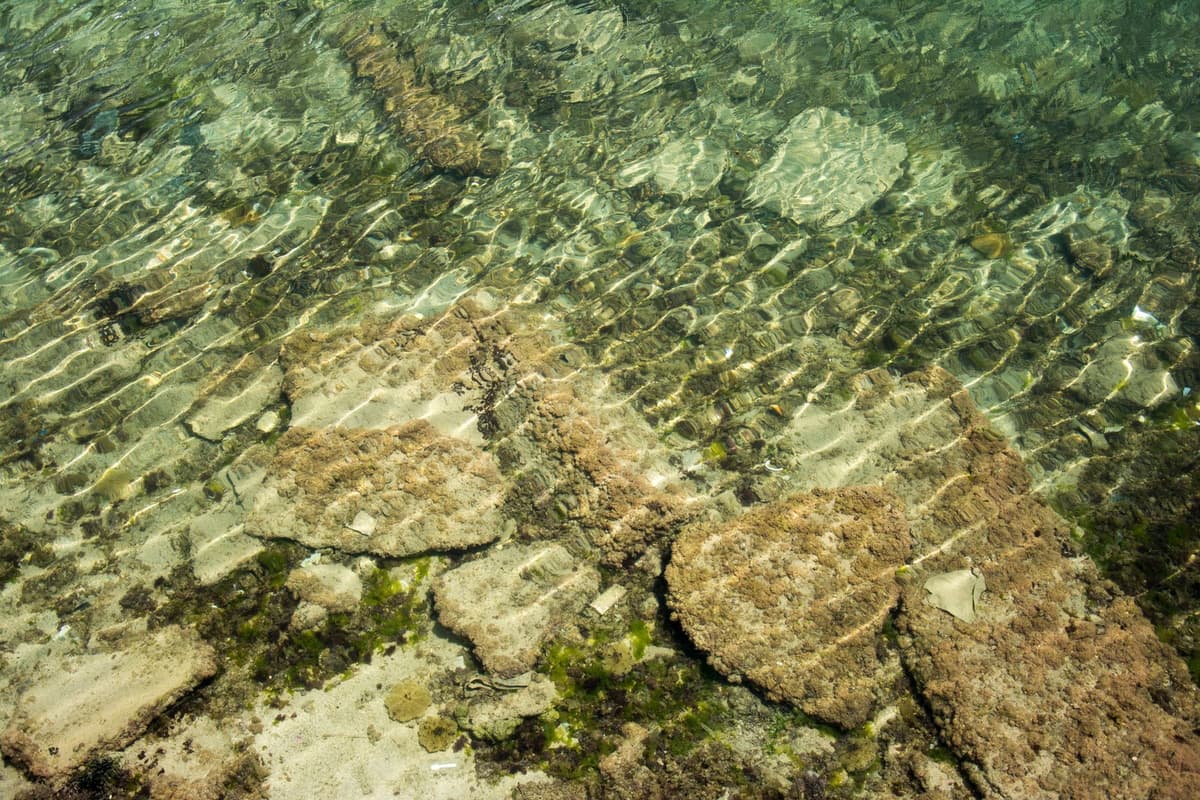
Photo by Mina Hakim on Pexels
The Psychological Cost of Liquidated History
Architecture is the primary vessel for human memory. When we destroy a building, we delete the physical anchor of a specific life event. For the people of Neatsville, the loss wasn't just their property; it was the total erasure of their context. You cannot return to a childhood home that exists only in the dark silt of a lake bottom. This creates a unique form of trauma known as solastalgia—the distress caused by environmental change while you are still at home, or in this case, while your home is being transformed into a utility.
We often ignore the long-term social erosion that follows these projects. Displaced residents are scattered, the localized economy is severed, and the communal 'connective tissue' is dissolved. Urban planners frequently focus on the 'net benefit'—the millions of dollars saved in flood damage elsewhere—but there is no line item in a budget for the death of a community's narrative. We have become too comfortable with the idea that some people must lose their world so that the rest of us can maintain ours.
Managed Retreat as a Modern Weapon
As sea levels rise and climate volatility increases, the 'Neatsville model' is no longer a mid-century relic; it is becoming the standard operating procedure for the 21st century. Managed retreat is being discussed for coastal towns from Louisiana to New Jersey. While the catalyst has shifted from dam construction to climate change, the power dynamic remains identical. The state decides which land is 'defensible' and which land is 'expendable.'
- The decision-making process is almost always top-down, favoring high-density tax bases over low-density historical sites.
- Compensation for property rarely accounts for the loss of communal infrastructure or ancestral ties to the land.
- The 'retreat' is often managed for the residents, not by them, leading to a profound sense of disenfranchisement.
If we are going to continue sacrificing rural settlements for the greater good, we must stop pretending it is a bloodless technicality. It is a radical restructuring of human life. We need to develop a framework for 'just retreat' that prioritizes the preservation of community identity, rather than just the relocation of bodies and the cutting of checks.
What This Actually Means
The ghost of Neatsville is a warning that our urban growth is parasitic. We rely on the destruction of the periphery to sustain the center, treating rural landscapes as mere 'resource zones' rather than living habitats. This logic suggests that if you live in a place with a low population density, your right to your own history is conditional based on the needs of the nearest metropolis.
Moving forward, we have to demand a more sophisticated approach to infrastructure. We cannot simply drown our problems and call it engineering. True progress would involve designing systems that integrate with existing human settlements rather than overwriting them. Until we value the 'placehood' of a small town as much as the power grid of a city, we are merely building our future on the ruins of people who had no choice but to let go.
Quick Answers
Is Neatsville still visible?
During periods of extreme drought or low water levels, foundations and remnants of the town can occasionally be seen, though most of it remains under a permanent layer of silt and water.
What is the difference between managed retreat and relocation?
Relocation is the act of moving; managed retreat is the broader policy of ceding land to nature or infrastructure to protect larger areas, often involving the permanent decommissioning of that land for human use.
Was Neatsville the only town lost this way?
No, hundreds of towns across the U.S. were submerged during the mid-20th century 'dam boom,' creating many of the recreational lakes we use today at the cost of local heritage.


