
I've been wrestling with this idea lately: that we're not just losing individual species, but entire evolutionary libraries—volumes of biochemical knowledge that took millennia to write. What if the real crisis isn't just a species count, but the irreplaceable loss of the very 'memory' nature holds, especially for breakthroughs in medicine? It's a heavy thought, wondering what cures are disappearing before we even know to look for them. This study about 'ecological memory' being overestimated really got under my skin, and I can't shake it.
The Unseen Architecture of Life
Think about it: every plant, every fungus, every microbe has spent eons evolving, developing complex chemical defenses and communication systems. These aren't just random molecules; they're highly refined solutions to incredibly specific biological problems. We're talking about nature's own R&D department, running 24/7 for millions of years. And we're just… letting it dissolve. It's like watching a vast, ancient library burn, not knowing which scrolls hold the cure for some future plague, because we haven't even cataloged them yet. The 'ecological memory' concept suggests that even if a forest regrows, it might lack the deep, subtle web of interactions and chemical blueprints that were there before.
We often frame biodiversity loss as an aesthetic or ethical problem – the sadness of a majestic creature gone, or the moral imperative to protect the planet. And those are absolutely valid. But what if the most immediate, self-serving impact is on our own health? The vast majority of our current drugs, from aspirin (willow bark) to penicillin (mold) to many cancer treatments, originated from natural sources. It’s not just a quaint historical fact; it’s an ongoing process. In fact, a 2017 review found that over 70% of new antimicrobial drugs approved between 1990 and 2015 were either natural products or derived from them.
The Silent Search for Tomorrow's Cures
Consider the relentless rise of antibiotic resistance. We're in a race against superbugs, and our current arsenal is dwindling. Where do we turn next? Increasingly, the answer lies in exploring novel compounds from extremophiles, deep-sea organisms, or fungi in unexplored rainforests. These are precisely the 'evolutionary libraries' that are shrinking fastest. Every time a unique ecosystem is degraded or a species goes extinct, it's not just a data point in a conservation report; it's a potential treatment for a deadly disease that vanishes with it. We're not just losing pretty birds; we're losing the chemical blueprints for our survival.
It makes me wonder if our scientific models for drug discovery are too focused on synthetic chemistry, too confident in our ability to create what nature has already perfected. It’s like trying to invent the wheel when there are countless wheels already rolling, just waiting to be understood. The complexity of natural compounds often far surpasses anything we can readily synthesize in a lab, with intricate structures and mechanisms of action that are incredibly difficult to replicate or even conceive from scratch.
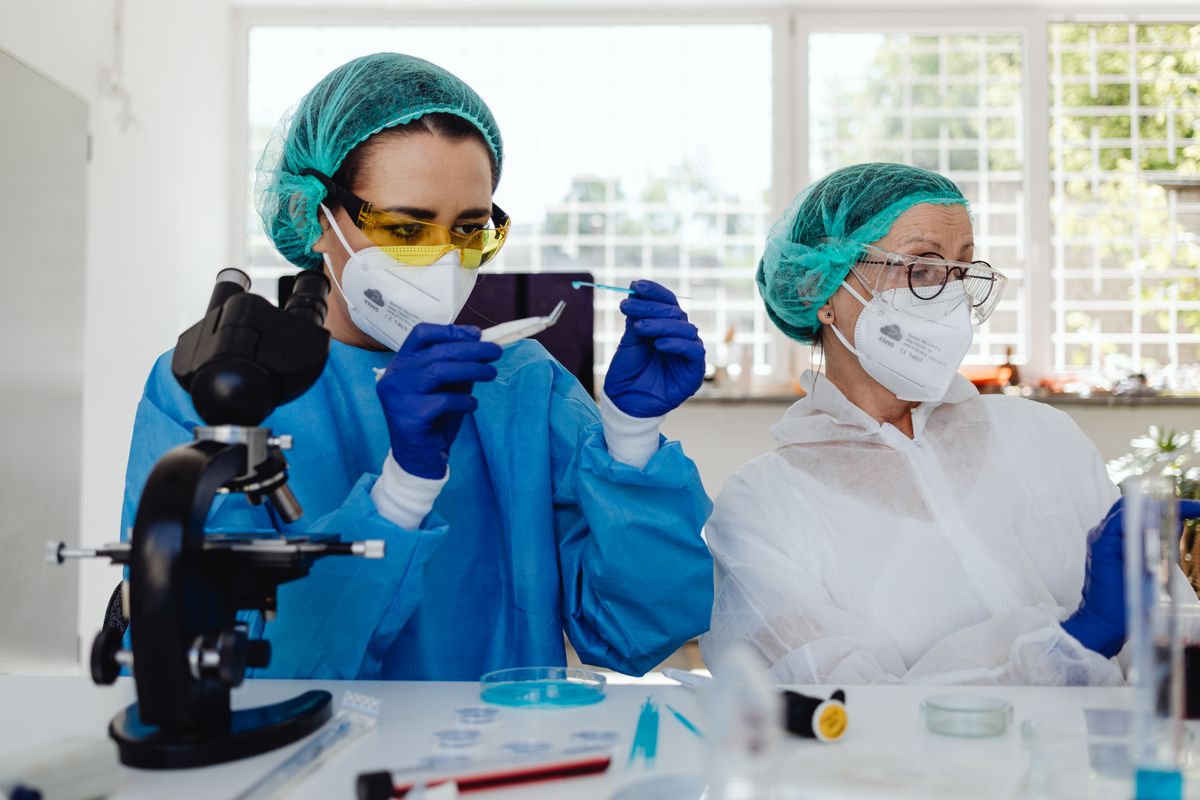
Photo by https://kaboompics.com/ on Pexels
More Than Just Losing a List
This isn't just about losing individual species; it's about losing the relationships between them, the co-evolutionary arms races that drive the development of potent biochemicals. A plant doesn't just spontaneously generate a cancer-fighting compound; it develops it over millennia in response to specific predators or competitors. When you pull one thread from that ecological tapestry, the whole thing starts to unravel, and with it, the context for those chemical innovations.
We talk about 'irreversible loss,' and that's often where my curiosity really kicks in. What does 'irreversible' truly mean in this context? Does it mean we'll never find a cure for a specific cancer because the one organism that held it is gone? Or does it mean we simply lose a shortcut, forcing us to spend decades reinventing what nature had already figured out? Either way, the cost is staggering. It's a deficit that's compounding daily, and we're just beginning to grasp the scale of the debt we're incurring.
What This Actually Means
What this study and the broader discussion highlight is a fundamental shift in how we need to value biodiversity. It's not just about stewardship; it's about self-preservation. Our future health, our ability to fight the next pandemic, to cure intractable diseases – it all hinges on the biological diversity we still have. We are literally dismantling our own emergency toolkit, piece by precious piece, often without even knowing what those pieces do.
It means that conservation isn't just for environmentalists anymore. It's a critical component of public health and medical research. Investing in protecting biodiversity isn't some luxury; it's an investment in the future of medicine. We need to fund bioprospecting initiatives, expand protected areas, and radically rethink our industrial footprint, not just for the planet's sake, but for ours. Because when that last species blinks out, we might be losing more than just an animal or a plant; we might be losing our last best hope.
Quick Answers
- What is 'ecological memory'? It refers to the historical experiences and adaptations of an ecosystem, including its species composition, genetic diversity, and complex interactions, which allow it to respond to disturbances. The study suggests this capacity is being lost faster than we realize.
- How does biodiversity loss affect drug discovery? Many existing drugs originate from natural sources. Losing species means losing unique chemical compounds and biological mechanisms that could be the basis for future antibiotics, cancer treatments, and other essential medicines, effectively burning evolutionary libraries.
- Are synthetic drugs enough to replace natural ones? While synthetic chemistry is powerful, natural compounds often possess intricate structures and biological activities that are incredibly challenging to replicate from scratch, making natural products a vital source for novel drug leads.
- What can be done? Prioritizing biodiversity conservation, funding bioprospecting (searching for useful compounds in nature), and supporting research into under-explored ecosystems are crucial steps to preserve our 'evolutionary libraries' for future medical breakthroughs.

