The Death of Digital Trust
Modern smartphone security has shifted from reactive defense to proactive suspicion. By implementing features like 'Stolen Device Protection' and 'Active Snatch Detection,' manufacturers have effectively turned the accelerometer into a witness for the prosecution. The moment your movement deviates from a narrow, pre-defined baseline of 'normalcy,' the device defaults to a state of hostility. This isn't just a technical glitch; it is a fundamental redesign of the relationship between a human and their primary tool.
We have outsourced our autonomy to an invisible layer of heuristics that cannot distinguish between a thief making a getaway and an owner catching a bus. The engineers at Apple and Google have decided that the risk of a false positive is a price worth paying for a marginal increase in hardware security. This logic ignores the psychological toll of being locked out of your own life because your gait was too aggressive or your pace too fast. It treats the legitimate user as a potential intruder until proven otherwise.
The Architecture of Overcorrection
The technical foundation for these features relies on machine learning models trained on specific datasets of theft. In London, for instance, moped-based phone snatching increased by over 150% in certain districts during 2023. In response, Silicon Valley deployed 'snatch detection'—a system that monitors for sudden, high-velocity changes in movement followed by sustained speed. The problem is that the physics of a theft and the physics of a 400-meter dash are remarkably similar to a sensor tucked in a pocket.

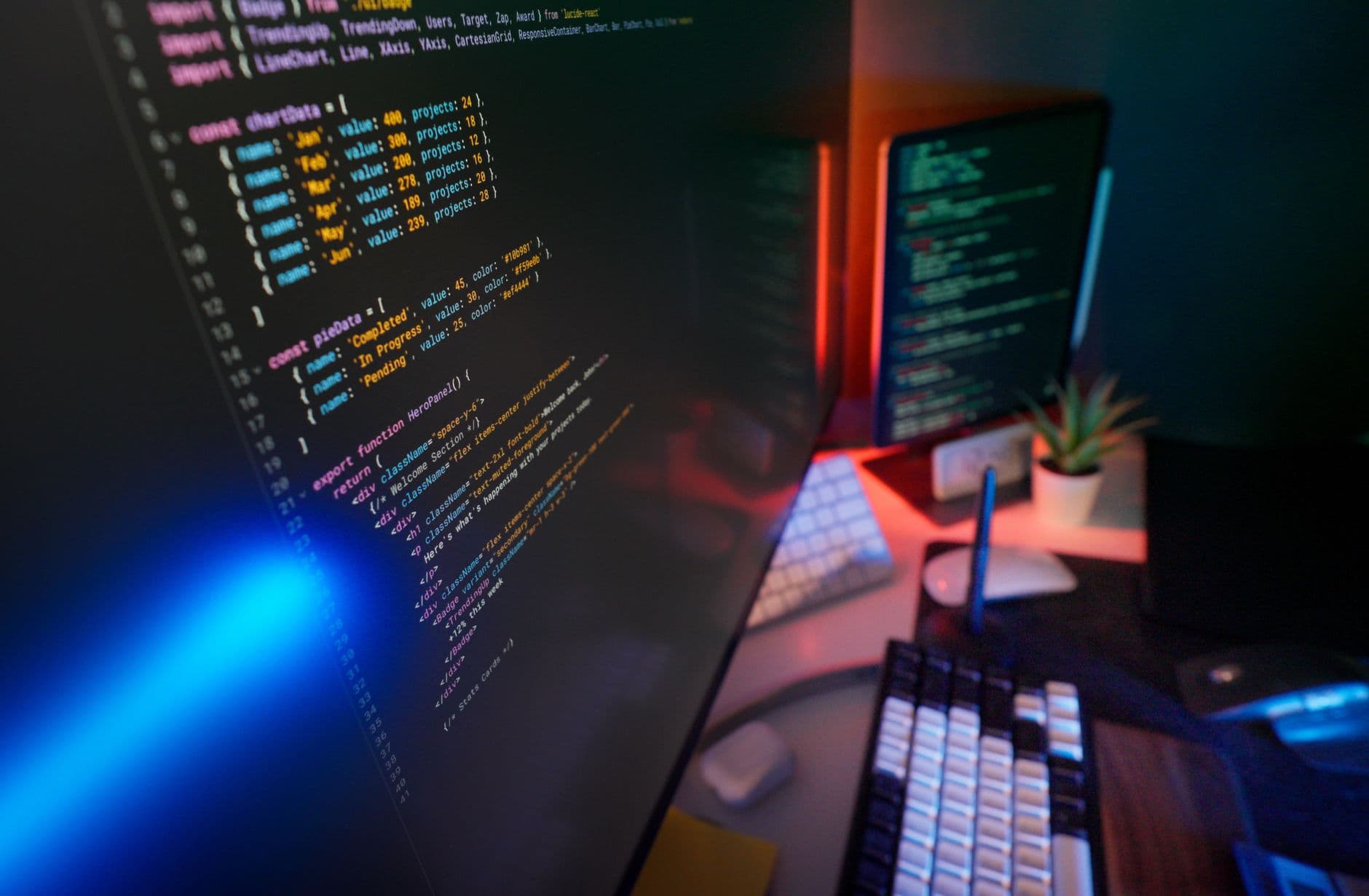
Photo by Mateusz Dach on Pexels
When a device enters this paranoid state, it often triggers a mandatory waiting period or biometrics-only access. If you are miles from home and your phone decides you aren't you, you lose access to navigation, emergency services, and communication. This creates a physical safety risk in the name of digital security. We are sacrificing the reliability of our tools to solve a property crime problem that the tech industry feels uniquely responsible for, yet is ill-equipped to manage through code alone.
- Algorithmic Rigidity: Code lacks the context of intent; it only understands velocity and trajectory.
- Delayed Friction: Features like 60-minute security delays can leave users stranded in unfamiliar environments.
- User Alienation: Frequent false positives lead to 'alert fatigue,' causing users to disable essential security features entirely.
The Erosion of Ownership
This trend highlights a broader philosophical shift in how we own technology. You no longer simply possess a phone; you are a tenant in a secure ecosystem managed by a distant landlord. When the device decides to lock itself because it misinterpreted your morning run, it is asserting a level of control that subverts the concept of private property. The manufacturer is essentially telling you that they know better than you do whether or not you should have access to your data at this exact second.
There is a specific kind of frustration that arises when a machine tells a human they are wrong about their own identity. It is a sterile, unarguable wall. If the accelerometer says you were robbed, you were robbed, even if you are just panting on a sidewalk trying to check your heart rate. This hierarchy of truth—where the sensor data is more authoritative than the user's physical presence—is a dangerous precedent for all future autonomous systems.
What This Actually Means
We are witnessing the arrival of 'adversarial design,' where the product is built to actively resist the user under a widening set of circumstances. While the intent is to deter theft and protect sensitive financial data, the execution is increasingly ham-fisted. Security is only effective when it is invisible and accurate; once it begins to obstruct the very life it is meant to protect, it becomes a defect. We are currently beta-testing a world where our pockets are filled with paranoid sensors that prioritize the safety of the silicon over the convenience of the human.
As we move forward, the industry must move away from binary 'if-then' security triggers and toward more holistic, contextual awareness. A phone that knows it is paired with its owner's watch and is on a familiar running path should never trigger a snatch alert. Until these systems can account for the complexity of human life, they will remain less like a bodyguard and more like a malfunctioning electronic shackle. True security should empower the user, not leave them standing on a street corner, locked out of their own world.
Quick Answers
Why does my phone think I'm a thief when I run?
The internal sensors detect sudden acceleration and sustained speed, which perfectly mimic the physical profile of a phone being snatched and carried away by a thief on a bike or on foot.
Can I disable these features?
Yes, usually under 'Security' or 'Stolen Device Protection' settings, but doing so removes the genuine protection they offer against actual theft in high-risk areas.
Is this a software bug?
It is rarely a bug in the traditional sense; rather, it is a design choice where the threshold for 'suspicious activity' has been set too low, prioritizing security over user convenience.
How can manufacturers fix this?
By integrating more data points, such as heart rate from a connected smartwatch or recognized GPS routes, to provide the AI with the context it needs to verify a legitimate workout.