Finally, a Way to Fail Publicly Without a Filter
Silicon Valley has spent the last ten years convincing us that the pinnacle of human connection is a thirty-second clip of a teenager dancing to a sped-up remix of a song they don't know. We reached the peak of 'asynchronous isolation,' a fancy term for staring at a screen alone while an algorithm feeds us a drip-feed of dead-eyed content. Now, the geniuses behind projects like Mic Drop have decided that what we actually want—what we crave in our very souls—is to scream into a condenser microphone while three strangers in different time zones try to find the melody to 'Total Eclipse of the Heart.'
This is the 'Second Wave' of synchronous social gaming. It’s a return to the messy, glitchy, and deeply uncomfortable reality of live performance. Forget the ring lights and the seventeen takes it took to get that transition right. In the new world of live multiplayer karaoke, your mistake is permanent, your pitch is questionable, and the lag is probably going to make you sound like a malfunctioning blender. It’s progress, apparently.
The High-Latency Thrill of Digital Humiliation
There is something truly poetic about the technical hurdles being cleared just to facilitate a digital screeching match. We are building massive server infrastructures and low-latency audio pipelines so that someone in Des Moines can harmonize—poorly—with someone in Berlin. We’ve moved beyond the era where you could simply ignore a comment or delete a post. Now, if you hit a flat note on a high C, you have to sit there in the digital silence that follows.

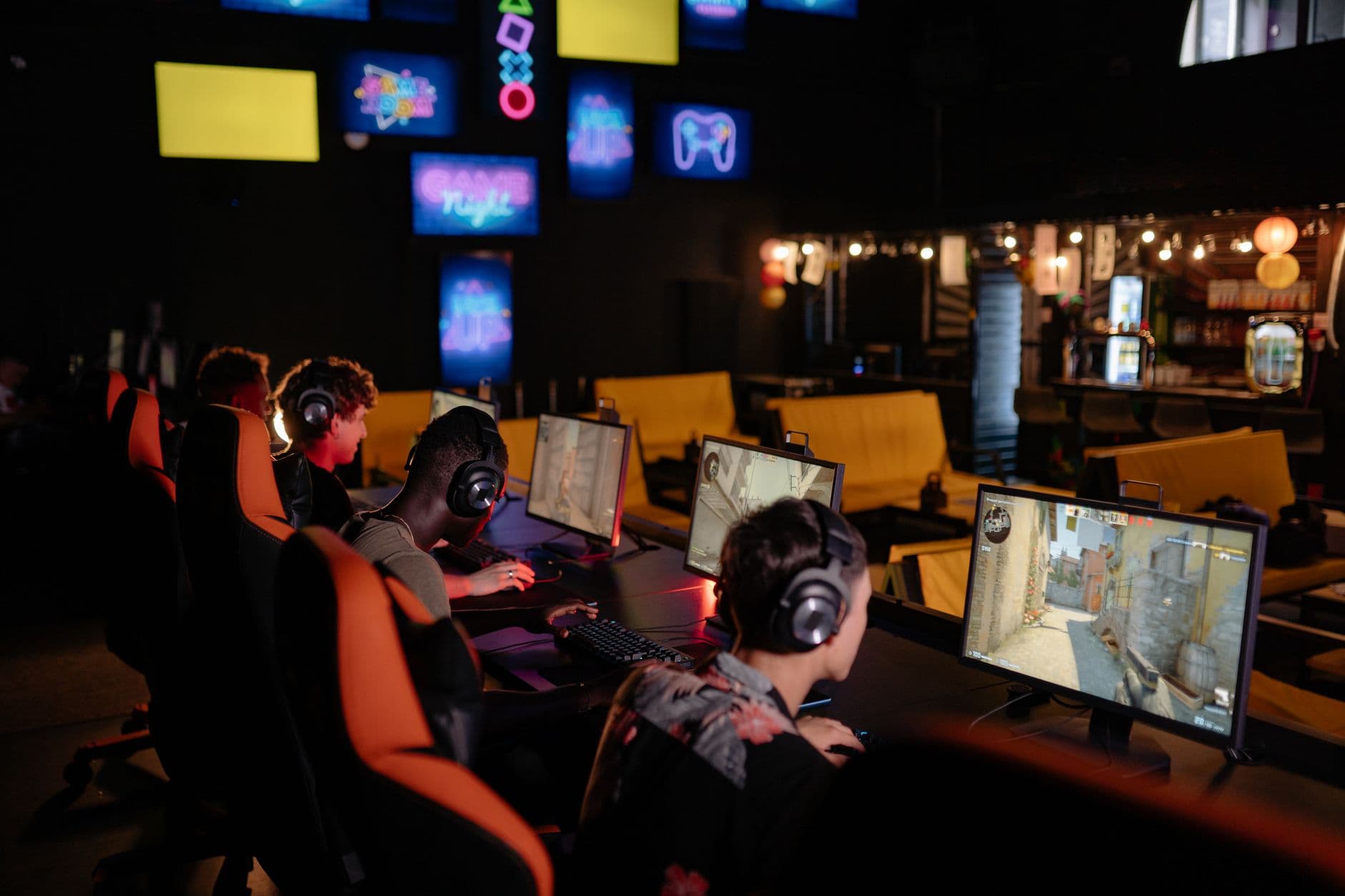
Photo by AI25.Studio AI GENERATIVE on Pexels
This isn't just a game; it's a high-stakes social experiment in how much embarrassment the human ego can withstand for the sake of 'engagement.' The industry calls this 'moving beyond the isolation of the feed.' Most people call it 'why did I agree to this at 2 AM?' By making the experience live and performance-based, these platforms are betting that we are bored of being perfect. They are betting that we are so desperate for a 'real' interaction that we’ll settle for a pixelated avatar of a cat singing Adele while their internet connection struggles to stay above 50mbps.
Polished Content Is Out, Messy Reality Is In
The irony is thick enough to choke on. For years, the tech giants told us that the future was controlled, edited, and optimized. We bought into the idea that our digital personas should be museum-quality exhibits. Now, the pendulum is swinging back toward the chaotic energy of the early 2000s internet, but with better microphones and more venture capital. We’re moving from the 'curated self' to the 'accidental self,' where your true personality is revealed by how you handle a missed cue in a Lizzo song.
- Real-time multiplayer gaming used to be for shooting things; now it's for hitting the right notes in 'Bohemian Rhapsody.'
- The 'social' in social media is becoming a live burden rather than a passive hobby.
- We are paying for the privilege of being judged by strangers in real-time instead of through a heart icon three hours later.
This shift toward synchronous interaction is being framed as a cure for digital loneliness. It turns out that watching a stranger eat a giant bowl of noodles on a pre-recorded loop didn't actually fulfill our deep-seated need for community. Who knew? So now we have to actually talk to each other—or sing at each other—in a space where there is no 'edit' button. It’s a brave new world where the only thing lower than the audio latency is our collective dignity.
What This Actually Means
We are witnessing the final admission that the 'optimized' internet was a lonely, sterile failure. The industry is pivoting to 'live' because they ran out of ways to make the 'static' interesting. If they can't sell us perfection anymore, they’ll sell us the chaos of a live performance. It’s a brilliant move, really: you can’t algorithmically predict a live human mess, which makes it the only thing left that feels remotely authentic in a sea of AI-generated slop.
But let’s be honest about what this is. Mic Drop and its ilk are digital dive bars where the floor is sticky and the lighting is bad, but at least you know the person next to you is real because they just butchered the bridge of a Taylor Swift song. We’ve spent billions of dollars on technology just to get back to the basic human experience of being slightly embarrassed in a group setting. If that isn't the definition of the modern age, I don't know what is.
Quick Answers
Is this actually better than TikTok?
Only if you consider being yelled at by a teenager for missing a beat 'better' than silently judging their outfit from afar.
Will the lag ruin the experience?
Absolutely, but the developers will call it 'experimental rhythmic tension' instead of poor server optimization.
Does anyone actually want to sing with strangers?
Statistics suggest we are lonely enough to try anything once, even if it involves a headset and a 2012 pop hit.
Is this the end of polished social media?
No, it’s just the beginning of a new way to be stressed out about your digital presence in real-time.


