
The news from Cunningham Falls State Park isn't just about beavers; it's a stark indicator of a much larger, global trend. As we embrace aggressive rewilding to combat climate change, the lines between human and wild are blurring, sometimes with painful consequences. This isn't a problem we can ignore, nor one we can solve by simply pushing nature back.
Maryland's decision to close more of Cunningham Falls after a second beaver attack underscores a complex, emerging conflict. We want beavers back—they're vital 'ecosystem engineers,' creating wetlands that filter water, mitigate floods, and boost biodiversity. But when these industrious creatures start biting people in areas designed for human recreation, the policy framework clearly needs an overhaul. This isn't just about a few aggressive animals; it's about the fundamental design flaw in how we envision shared spaces.
The Unintended Consequences of Success
For decades, conservationists fought to bring species like beavers back from the brink. And, by many metrics, they've succeeded. Beaver populations, once decimated, are rebounding across North America and Europe. Their return is a win for ecological health, creating critical climate-resilient wetlands that are more important than ever in an era of unpredictable weather patterns and dwindling freshwater resources. These restored habitats act as sponges, absorbing excess rainfall, slowly releasing water during droughts, and providing homes for countless other species.
However, this success has a predictable, yet largely unaddressed, side effect: wild animals are moving back into areas now heavily used by humans. Our parks, our trail systems, even the fringes of our suburban developments, are increasingly becoming shared territory. We've designed these spaces with a human-centric view, assuming nature would stay in its designated, often shrinking, corners. That assumption is now being challenged, and the results are, at times, violent. The Maryland incident, with its two reported beaver attacks, serves as a harsh reminder that 'wild' still means wild, even in a state park just an hour from Baltimore.
The Myth of Separate Spheres
Our traditional approach to urban and recreational planning has been predicated on a clear division: nature over there, people over here. Parks are often seen as curated green spaces, sanitized versions of the wild where danger is minimized and human comfort is maximized. This model worked, or at least seemed to, when human activity profoundly suppressed wildlife populations. Now, as conservation efforts bear fruit and species like beavers reclaim their ancestral territories, this separation is no longer tenable.
Architects and urban planners are grappling with a paradigm shift. The concept of 'interspecies infrastructure' isn't just theoretical anymore; it's a practical necessity. We need designs that explicitly acknowledge and mitigate the physical boundaries between human leisure spaces and critical wildlife habitats. This means rethinking everything from trail placement and water access points to barrier design and public education campaigns. Simply putting up a 'Beware of Beavers' sign, as some parks have done, is a woefully inadequate response to a complex ecological interaction. The goal isn't to eliminate risk entirely, but to design systems that reduce friction and allow for coexistence without constant conflict.
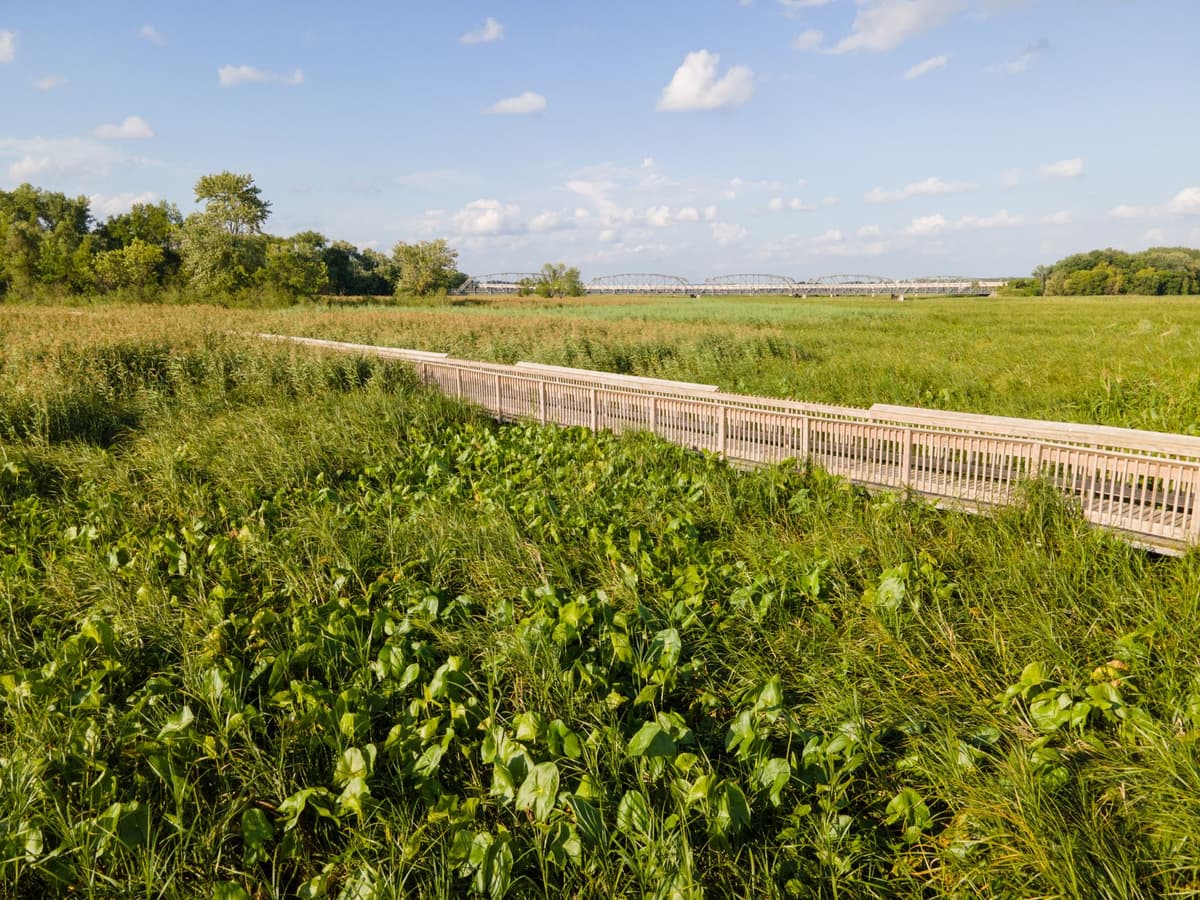
Photo by Chris Flaten on Pexels
Consider the fundamental needs of a beaver: access to water, suitable trees for damming, and a strong territorial instinct. Now overlay that with human desires for hiking trails, swimming areas, and scenic overlooks. Where these needs intersect without thoughtful planning, conflict becomes inevitable. We must move beyond simply reacting to incidents and proactively design spaces that anticipate these interactions. This might involve creating designated 'no-go' zones for humans near sensitive beaver habitats, building elevated boardwalks over wetland areas, or even engineering specific water flow solutions that deter beavers from high-traffic human zones without harming their ability to build dams elsewhere.
What This Actually Means
This isn't about blaming beavers for being beavers, or humans for wanting to enjoy nature. It's about acknowledging that our well-intentioned conservation efforts are creating new management challenges that demand sophisticated, integrated solutions. We can't simply reintroduce species and hope for the best; we have to re-engineer our shared landscape.
The Maryland incident is a bellwether. It signals a future where human-wildlife encounters, some of them challenging, will become more frequent. We need to invest in research that informs better design principles, educate the public about the realities of coexisting with powerful wild animals, and develop adaptive management strategies that can evolve as ecological conditions change. The alternative is a constant cycle of conflict, closures, and the erosion of public support for the very rewilding efforts that are so crucial for our planet's future.
Quick Answers
- Why are beavers attacking people? Beavers are territorial and can become aggressive if they feel threatened, especially when protecting their kits or dams. Attacks, while rare, often occur when humans get too close or interfere with their habitat.
- What is 'aggressive rewilding'? This refers to conservation strategies focused on reintroducing and supporting keystone species, like beavers, to restore natural ecological processes and create more resilient ecosystems, often with significant landscape impact.
- What is 'interspecies infrastructure'? This concept involves designing human-built environments—like parks, bridges, or urban green spaces—to explicitly accommodate and mitigate conflicts with wildlife, promoting coexistence rather than strict separation.
- How can we prevent future conflicts? Solutions include thoughtful park design that separates human and wildlife zones, public education on wildlife behavior, and adaptive management strategies that balance conservation goals with public safety concerns.


