
LG wants everyone to calm down. Those reports suggesting your brand-new OLED panel monitors your behavior like an anxious parole officer are, in the company's official phrasing, 'not true.' It is merely enhancing your viewing experience by taking acoustic and visual fingerprints of your life every three seconds, which is a completely different thing that only paranoid people would call spying.
We really ought to send them a thank-you note. After all, you only paid $1,800 for the glass and silicon; expecting the panel not to inspect your habits and resell your attention to data brokers would just be selfish.
The Immaculate Conception of 'Content Recognition'
Smart TVs are no longer appliances. An appliance does a job, sits in the dark, and shuts up until you push a physical button. A toaster does not report your preferred browning index to a consortium of artisanal wheat distributors.
Modern displays operate on an entirely different moral plane called Automated Content Recognition, or ACR. ACR takes tiny visual and audio samples from whatever pixels cross your screen—whether it is a Netflix documentary, an HDMI feed from your retro game console, or a private home video—and compares those fingerprints against a massive cloud database in real time. LG calls this feature "Live Plus." Other manufacturers call it "Viewing Information Services" or "Smart Interactivity." These names were clearly focus-grouped to sound like free room service at a boutique hotel rather than an automated wiretap on your media intake.
When LG issues a corporate denial stating that concerns about snooping are unfounded, they are relying on a charming linguistic loophole. To a normal human, "spying" means watching someone without their enthusiastic permission. To an ad-tech executive, it isn't spying if paragraph 47 of an 8,000-word software update license you clicked while holding a slice of pizza technically permitted the behavior under the heading of "tailored offerings."
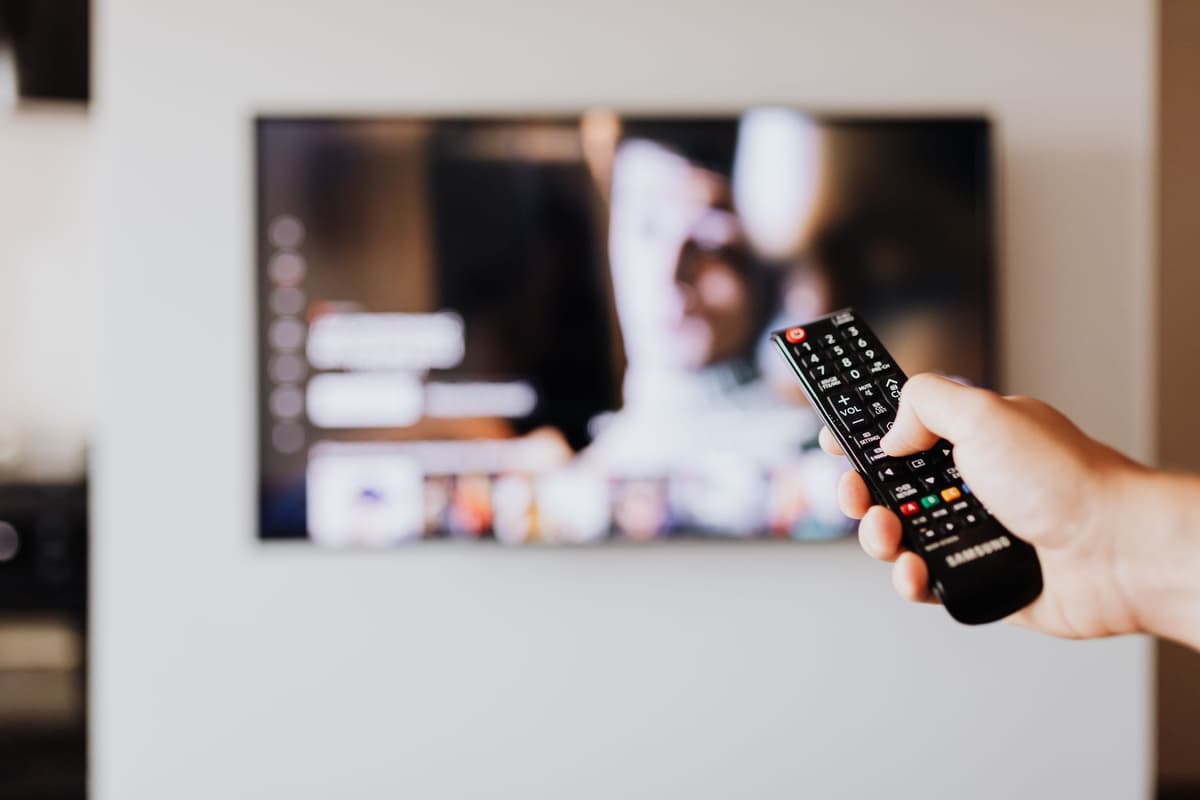
Photo by https://kaboompics.com/ on Pexels
Seven Menus Deep into the Labyrinth
If you truly wish to stop this algorithmic friendship, the manufacturers make the process wonderfully intuitive. All you have to do is navigate to the gear icon, bypass the settings menu you thought was the settings menu, find the Advanced System Options, scroll past the terms of service that look like grayed-out wallpaper, and uncheck four individually named boxes whose titles read like Cold War treaties.
Consider the average setup flow for a modern TV. To get the panel to display a basic image, you are presented with a series of mandatory checkboxes mixed seamlessly with optional surveillance clauses:
- Terms and Conditions (mandatory, unless you enjoy owning an oversized paperweight)
- Privacy Policy (mandatory, detailing how your data will keep the company afloat)
- Automated Content Recognition Services (optional, but framed as essential for screen calibration)
- Voice Recognition Enhancements (optional, unless you want the remote to ignore you entirely)
- Cross-Device Interest-Based Advertising (unchecked means a pop-up warning you of degraded functionality)
Notice the design choice. If you accidentally decline the wrong prompt, the television does not simply say, "Understood, enjoy the display." It warns you that voice search might become sluggish, or that software patches might fail to land. You are gently steered back into the fold. It is consent, certainly, in the same way that handing your wallet to a mugger is a voluntary asset reallocation.
The Razor-and-Blades Model for Your Sofa
Vizio was kind enough to give the game away years ago. In regulatory filings leading up to their $2.2 billion acquisition by Walmart in 2024, the hardware manufacturer laid out the accounting with refreshing cynicism. Making televisions is a low-margin nightmare. The plastic, the backlights, the logistics—it barely covers the cost of shipping the crate from an overseas dock.
The actual profit comes from the recurring revenue extracted from your living room after the box is already in the dumpster. In one financial disclosure, Vizio's "Platform+" division—the corporate euphemism for selling your viewing metrics and renting out banner space on your home screen—generated operating margins above 70 percent, dwarfing the hardware division. Selling televisions at near-cost is simply the toll manufacturers pay to plant an interactive billboard in your house.
When LG denies that they are tracking consumers inappropriately, what they mean is that tracking consumers is the core enterprise. To stop doing it would violate the fiduciary duty they owe to their shareholders. You bought the glass, but the advertisers bought the rights to the light coming out of it.

Photo by Jakub Pabis on Pexels
What This Actually Means
The fundamental covenant of consumer electronics is broken, and it didn't happen by accident. We spent two decades drifting from owners of hardware to involuntary renters of perpetual surveillance hubs. The television used to be a dumb terminal that obeyed an electrical pulse down a coaxial cable. Today, it is an insecure endpoint running an undocumented operating system that requires a broadband connection to turn on the inputs.
The real trick was convincing us to pay full retail price for our own observation. We accepted five-second boots, bloated home screen interfaces that look like the Las Vegas strip, and remote controls with dedicated corporate buttons, all under the guise of convenience. If a hardware company wanted to put an intrusive behavioral research sensor on your mantelpiece in 1995, they had to pay you fifty dollars a month and send a representative with a clipboard named Nielsen. Today, you finance the sensor on your credit card and defend the picture quality on message boards.
LG is technically right. They aren't spying on you. Spies have the decency to work in secret, whereas your TV makes you sign a document accepting the surveillance before it lets you watch Sunday football.
Quick Answers
Did LG actually do anything illegal?
No, because their privacy policies and user agreements contain explicit clauses authorizing ACR and data collection. The entire business model is protected by the digital contracts users click through during setup.
Can I actually turn off the tracking on my smart TV?
Yes, but you have to actively dig through several layers of the settings menu to disable ACR, Viewing Information Services, and personalized advertising. Disabling these options will not break the screen, despite the system warnings.
What happens if I never connect the TV to Wi-Fi?
The TV functions as a standard, unmonitored display panel. You can plug in an external streaming box or local media player and bypass the built-in tracking operating system entirely.


