The Fatal Flaw of Software-Level Access
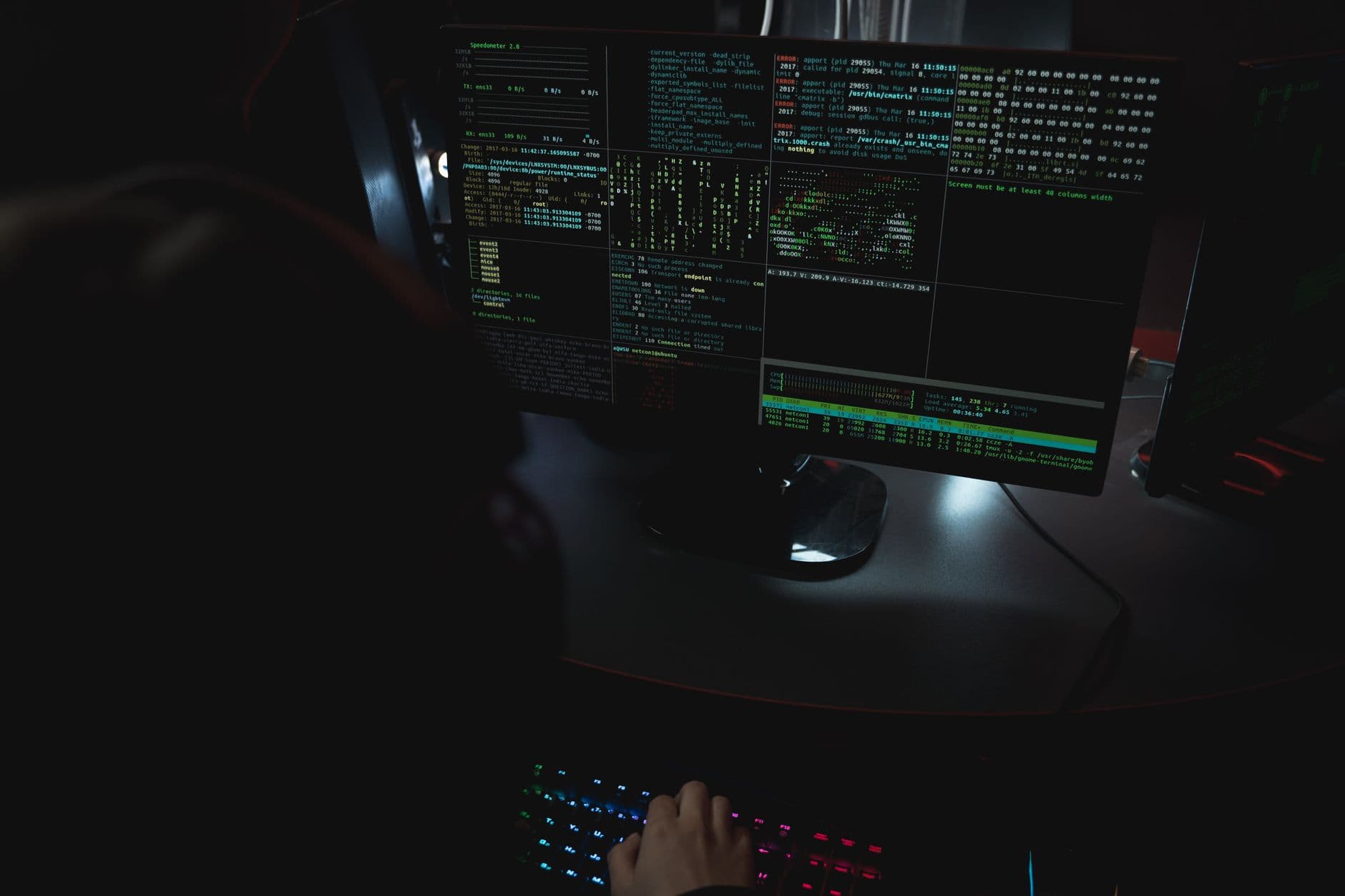
For as long as we have managed computers from a distance, we have relied on a paradox: using the operating system to fix the operating system. Whether it is RDP, SSH, or TeamViewer, these tools are guests in a house that might be on fire. If the kernel panics, if the network driver hangs, or if the BIOS loses its way, your software tools are the first things to die. You are left staring at a 'Connection Lost' screen, effectively blinded and paralyzed until someone physically touches the machine.
This dependency has created a massive bottleneck in technical efficiency. In a professional data center, this is solved by expensive, integrated IPMI (Intelligent Platform Management Interface) circuits. But for the small business owner, the home lab enthusiast, or the edge computing deployer, that level of 'out-of-band' management has historically been too expensive or too bulky to implement. We have accepted a lower standard of reliability because the alternative required a rack-mounted budget.
Democratizing the Silicon-Level Handshake
The miniaturization of IP-KVM (Keyboard, Video, Mouse) hardware, exemplified by the JetKVM Mini, represents the final decoupling of hardware management from software stability. By intercepting the HDMI signal and injecting USB HID commands at the hardware layer, these devices treat the target computer as a 'black box.' It does not matter if the machine is running Windows, Linux, or is stuck in a boot loop; the administrator has a literal eyes-on view of the silicon's output.
This is not just a convenience for hobbyists. It is a fundamental shift in the economics of uptime. When a $100-200 device can provide the same BIOS-level control as a $5,000 enterprise server, the barrier to professional-grade reliability vanishes. We are seeing the 'prosumerization' of disaster recovery, where the ability to reflash a BIOS or repartition a drive from three states away is becoming a standard feature of any serious setup.
- Real-time latency reduction: Modern RISC-V or ARM-based KVMs can stream 1080p video at 30-60fps with sub-100ms lag.
- Zero-trust compatibility: Hardware KVMs do not require 'agent' software installed on the target, reducing the attack surface of the production OS.
- Mass storage emulation: The ability to remotely 'plug in' a virtual ISO file as a physical USB drive allows for full OS reinstalls over the internet.
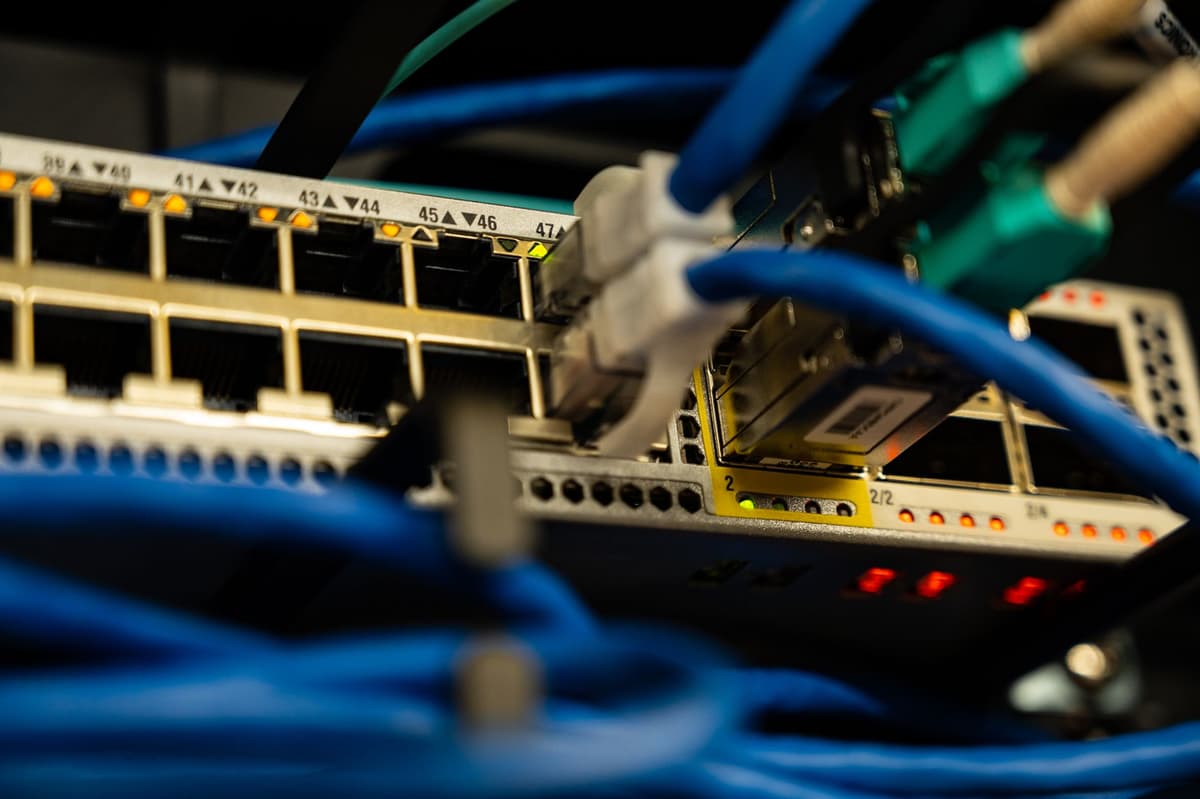
Photo by Brett Sayles on Pexels
The Security Implications of Hardware Independence
There is a sobering security reality to this transition. By moving management to an external device, we are creating a dedicated management plane that is physically isolated from the data plane. If a server is compromised by ransomware, a software-based remote tool would likely be disabled or used as a pivot point. A hardware KVM, however, remains an uninfected observer, allowing an admin to wipe the infected drives and restore from bare metal without ever entering the compromised environment.
However, this power requires a new discipline in network architecture. An IP-KVM is a skeleton key; if that device is exposed to the public internet without robust VPN tunneling or multi-factor authentication, you have effectively handed a physical keyboard to the entire world. The democratization of this tech means that people who are not trained data center architects are now responsible for securing 'God-mode' access to their hardware. The stakes for internal network security have never been higher.
What This Actually Means
The era of the 'remote support bottleneck' is ending because we are finally admitting that software cannot be trusted to fix itself. The JetKVM Mini and its peers are the physical manifestation of a 'trust but verify' approach to systems administration. By placing a dedicated micro-computer in charge of the primary computer, we create a redundant layer of control that survives the most catastrophic software failures.
This shift will fundamentally change how we build and deploy edge infrastructure. We are moving toward a world where 'unmanaged' hardware is seen as an unacceptable risk, regardless of whether that hardware sits in a Tier 4 data center or a small business closet. Reliability is no longer about making software that never crashes; it is about ensuring you have the hardware tools to fix it when it inevitably does.
Ultimately, this is about sovereignty over our machines. When you have out-of-band access, you are no longer a hostage to a frozen OS or a botched update. You own the hardware again, even from a thousand miles away.
Quick Answers
Does this require special software on my computer?
No, hardware KVMs act as a physical monitor and keyboard, requiring zero drivers or agents on the host system.
Can I access the BIOS remotely with this?
Yes, because the device captures video from the HDMI/VGA port, you can see the POST process and enter BIOS settings before the OS even loads.
Is it faster than software like VNC or RDP?
While software tools can feel smoother on a healthy OS, hardware KVMs provide superior reliability and 'bare metal' control that software tools cannot match during a crash.


