
The transition from exploration to industry is rarely cinematic. While the public remains fixated on the visceral thrill of human footprints in the lunar dust, Blue Origin is executing a far more pragmatic and consequential strategy: building the freight elevators. The Blue Moon MK1 pathfinder mission represents a pivot toward a cargo-first architecture that prioritizes heavy-payload landers over the immediate, fragile requirements of human life support. It is a cold, calculated bet that the future of space is not found in flags, but in infrastructure.
Bezos is applying the same ruthless logic to the solar system that he applied to terrestrial retail. You do not build a city before you build the roads, and you do not build a moon base before you establish a reliable, high-volume supply chain. By focusing on the delivery of three metric tons of cargo to the lunar surface in a single mission, Blue Origin is effectively prototyping the logistics backbone for a permanent presence. This is not a distraction from the human mission; it is the only way to make the human mission sustainable.
The Architecture of Mass and Momentum
The MK1 is designed for a specific purpose: to prove that we can land massive, autonomous hardware on the lunar surface with repeatable precision. This is a departure from the Apollo-era philosophy where every gram was scrutinized to keep a tiny crew capsule aloft. Blue Origin’s lander is built to be a workhorse, capable of delivering everything from rovers and power plants to habitat modules. By removing the immediate complexity of human safety systems, they are accelerating the development of the propulsion and landing technologies that will eventually serve the MK2 and the crewed Human Landing System (HLS).
There is a strategic advantage to this uncrewed-first approach. It allows for a higher tolerance for iterative testing and a more aggressive deployment schedule. The target date for the MK1 pathfinder mission is currently set for as early as 2025, a timeline that reflects a sense of urgency often missing from government-led initiatives. If Blue Origin can successfully land three tons of equipment, they will have effectively doubled the payload capacity of almost any other commercial lander currently in development.
This shift also addresses the fundamental bottleneck of space exploration: the cost of mass. To date, every mission to the moon has been a bespoke, high-cost event. Blue Origin is aiming for a model of scalability. By treating the lunar surface as a destination for bulk cargo, they are lowering the barrier to entry for other nations and private entities who have the ambition to build on the moon but lack the means to get their equipment there. It is the democratization of the lunar surface through freight.
Turning the Moon Into a Fulfillment Center
The comparison to Amazon’s fulfillment centers is more than a metaphor; it is a blueprint. For a lunar economy to exist, the moon must serve as a waypoint for deeper exploration into the solar system. This requires the capacity to store, process, and distribute resources. The MK1 pathfinder is the first step in establishing a permanent landing site that can be transformed into a depot. Once you can reliably land heavy machinery, you can begin the work of In-Situ Resource Utilization (ISRU)—mining lunar ice for water and fuel.
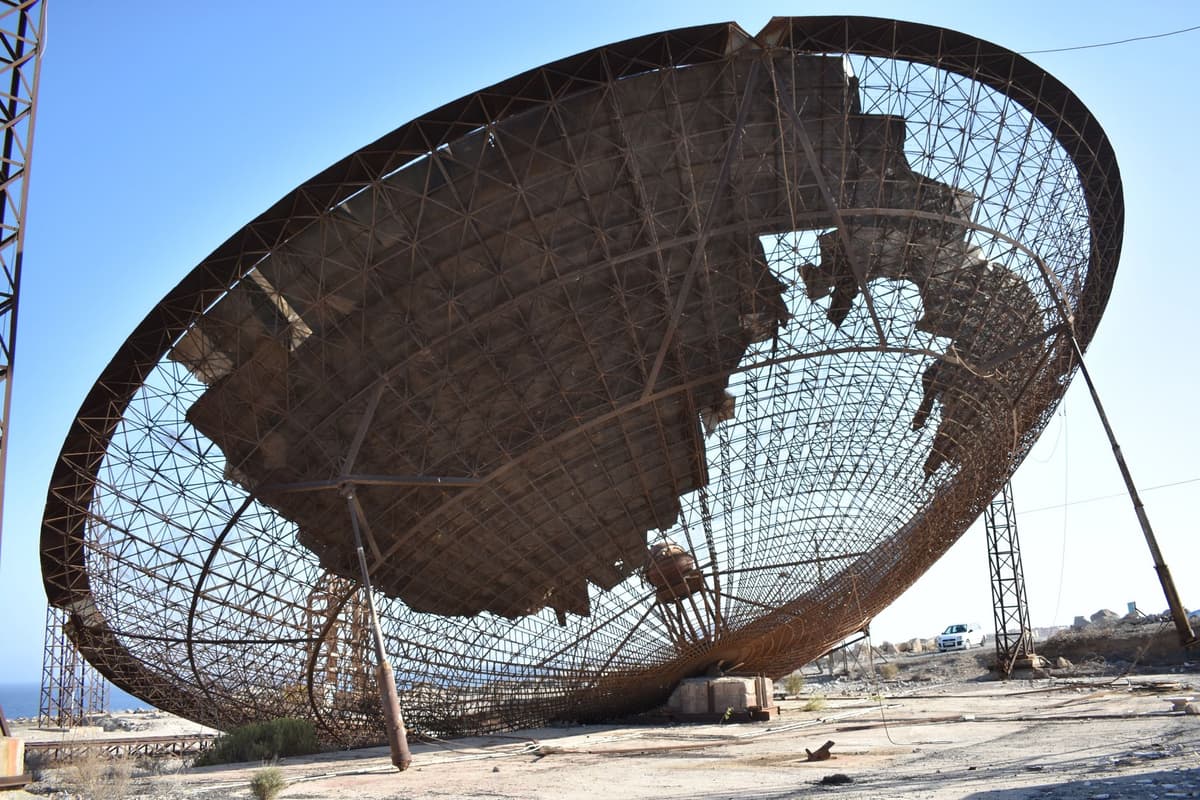
Photo by Ciprian Andrei Pavel on Pexels
If the moon becomes a refueling station, the entire math of the solar system changes. Launching from Earth is expensive because of the deep gravity well; launching from the moon is a fraction of the cost. Blue Origin’s focus on heavy-lift cargo landers is the prerequisite for this entire chemical and industrial ecosystem. They are not just landing a box; they are landing the tools required to build the factory that will build the future.
We must also consider the geopolitical and commercial implications of holding the keys to the lunar docks. Whoever controls the most reliable transport system effectively sets the terms for the lunar economy. By positioning themselves as the primary logistics provider, Blue Origin is ensuring that they are indispensable to NASA’s Artemis program and any subsequent international efforts. They are building a monopoly on reliability, which in the vacuum of space, is the most valuable currency there is.
The Discipline of the Long Game
Critics often point to Blue Origin’s slower pace compared to SpaceX as a sign of failure, but this ignores the fundamental difference in their objectives. SpaceX is building a transport system for Mars; Blue Origin is building the infrastructure for the Earth-Moon neighborhood. The MK1 mission is a manifestation of the company's motto, Gradatim Ferociter—step by step, ferociously. It is a methodical approach that prioritizes the structural integrity of the long-term vision over the short-term optics of a crewed launch.
The investment required for this is staggering. Bezos has been liquidating roughly $1 billion in Amazon stock annually to fund Blue Origin, and much of that capital is being funneled into the New Glenn rocket and the Blue Moon lander series. This is not vanity spending; it is an attempt to solve the most difficult engineering problem in human history. The MK1 pathfinder is the moment where that investment moves from the laboratory to the lunar surface, testing the viability of a heavy-payload strategy under the harshest conditions imaginable.
This strategy also hedges against the inherent risks of human spaceflight. A single tragedy involving a crew can set a program back by a decade. By contrast, a failure of an uncrewed cargo mission is an expensive but manageable data point. By the time humans step onto a Blue Moon lander, the system will have been battle-tested by thousands of kilograms of landed cargo. This is the discipline required to build an interplanetary civilization: the willingness to be boring and functional before being heroic.
What This Actually Means
The Blue Moon MK1 pathfinder is the end of the beginning. It signals that we are moving past the era of the "scientific outpost" and into the era of the "industrial zone." When we look back at this period of space history, we won't just remember who got there first; we will remember who stayed. And staying requires a supply chain that doesn't break.
Blue Origin's cargo-first strategy is the most realistic path to a permanent human presence beyond Earth. By prioritizing the heavy lifting now, they are ensuring that when humans do arrive, they aren't just surviving in a tin can—they are walking into a fully equipped environment with the power, tools, and resources necessary to expand. This is the quiet construction of a new world, one shipping container at a time.
We are witnessing the transition of the moon from a celestial object to a piece of strategic real estate. The logistics backbone being tested by the MK1 will determine the pace of human expansion for the next century. It is a serious undertaking that demands our attention, not for the spectacle it provides, but for the foundation it lays.
Quick Answers
Why is Blue Origin focusing on cargo instead of people?
Establishing a cargo-first infrastructure reduces risk and builds the necessary logistics chain required to support life. Without a way to land heavy equipment and supplies, human missions will always be short-term and unsustainable.
What makes the MK1 pathfinder different from other landers?
Its scale is the primary differentiator, designed to deliver up to three metric tons to the lunar surface. Most current commercial landers are significantly smaller, focusing on scientific instruments rather than industrial-scale equipment.
Is this mission part of NASA's Artemis program?
Yes, Blue Origin was awarded a $3.4 billion contract to develop the Blue Moon lander for the Artemis V mission. The MK1 pathfinder is a critical internal milestone to prove the technology before the crewed missions begin.


