The Luxury of Having Your Own Keys
I’ve been thinking about what it actually feels like to be a European space agency official right now, and I suspect it feels a lot like being a tenant whose landlord just raised the rent while forgetting to fix the plumbing. For the last decade, if you wanted to get a satellite into a specific sun-synchronous orbit, you basically had two choices: wait in a very long line for a SpaceX rideshare or ask the Russians for a lift. One of those doors slammed shut in 2022, and the other is controlled by a company that is increasingly synonymous with American strategic interests.
Isar Aerospace and their Spectrum rocket represent something more than just another startup with a cool logo and some carbon fiber tanks. They represent the realization that 'cheap' is a dangerous metric when it's the only metric. Europe has spent decades being the world’s most sophisticated hitchhiker, but the 'Sovereign Launch' movement suggests that nations are finally willing to pay a 'sovereignty tax'—a premium for the peace of mind that comes with having a launchpad and a rocket that doesn't require a phone call to Washington D.C. to authorize.
The Math of Why We Overpay
It’s easy to look at the numbers and call this irrational. A Falcon 9 launch is famously cheap, hovering around $67 million for a dedicated flight, or even less for a Smallsat Rideshare slot. Meanwhile, developing a domestic micro-launcher program costs billions in subsidies and years of R&D. If the goal is simply 'get the thing up there,' then building your own rocket is like building a bespoke car from scratch because you don't like the local bus schedule. It’s objectively inefficient.
But what if the goal isn't efficiency? I’m fascinated by the shift in value perception here. We are seeing the birth of 'Orbital Regionalism,' where the value of a launch isn't just the price per kilogram, but the geographical origin of the combustion. Germany, for instance, has backed Isar because they've realized that in a world of fractured supply chains, a satellite sitting in a warehouse because of a diplomatic spat or a SpaceX backlog is worth exactly zero dollars.
- The global space economy is projected to hit $1 trillion by 2040.
- Europe currently holds less than 10% of the commercial launch market.
- Isar Aerospace has raised over $350 million to date, a massive sum for a non-U.S. player.
A Map of Many Smaller Heavens
I wonder if we are moving toward a 'Balkanization' of the upper atmosphere. For a long time, the narrative was that space would become more globalized, a shared frontier where the best tech wins regardless of its flag. Instead, it’s starting to look like the early days of the internet—before it was a global web, it was a series of disconnected nodes. If France, Germany, and the UK all decide they need their own 'sovereign' path to orbit, do we end up with a more resilient world, or just a more cluttered one?

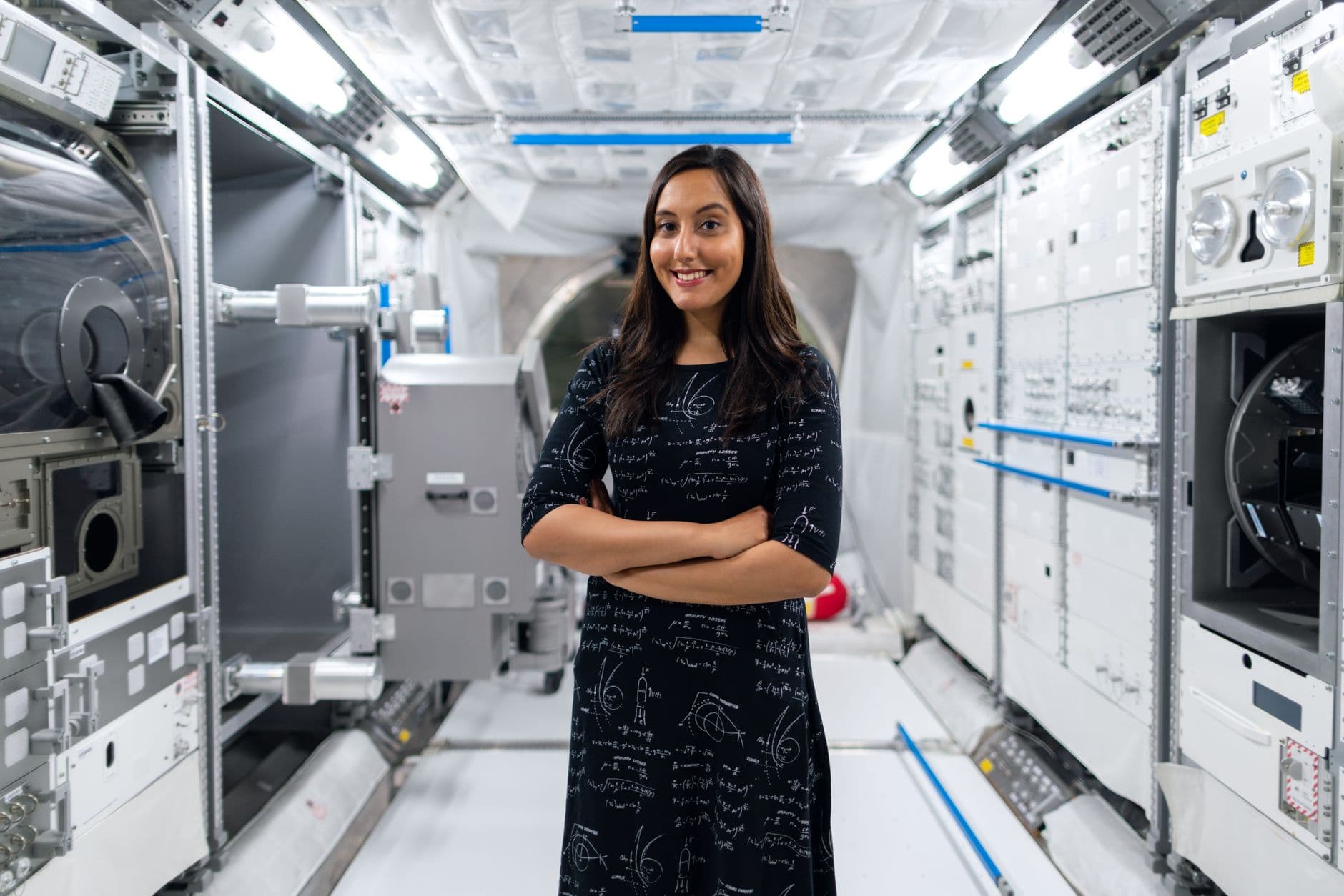
Photo by Yassen Kounchev on Pexels
There is something deeply human about this urge to control the entire vertical stack. We saw it with the frantic push for domestic semiconductor fabs, and now we’re seeing it with liquid oxygen and kerosene. If Isar succeeds in making orbit routinely, it breaks the monoculture. It proves that you don't need a sprawling campus in Hawthorne and a billionaire's cult of personality to reach the stars. You just need a specific set of high-end manufacturing tools and a government that’s tired of asking for permission.
What This Actually Means
This shift toward sovereign launch means the 'SpaceX discount' is no longer the most important number in the room. We are entering an era where the strategic cost of dependence is being priced directly into the market. For investors and engineers, this is a gold rush, but for the rest of us, it marks the end of the 'Global Village' era of space exploration. Space is becoming a series of gated communities.
I suspect we will look back at the 2020s as the moment we stopped trying to build one giant ladder for everyone and started building a dozen smaller ones. It’s less efficient, yes. It’s more expensive, certainly. But in a world that feels increasingly fragile, everyone wants to make sure they have their own way out, even if they only ever plan to go 500 kilometers up.
Quick Answers
Why would a country pay more for a local rocket?
It’s about insurance against geopolitical shifts; if the U.S. restricts exports or SpaceX changes its priority list, a domestic rocket ensures your hardware doesn't get stuck on the ground.
Is Isar Aerospace actually a threat to SpaceX?
Not in terms of sheer volume or price, but they represent a threat to the monopoly by offering a 'Plan B' for European institutional and commercial customers who want to keep their money in the Eurozone.
What is 'Orbital Regionalism'?
A trend where space access is dictated by regional alliances and domestic infrastructure rather than a single, globalized market dominated by one or two superpowers.


