
The Twelve O’Clock Blink
There is a specific kind of anxiety that comes from seeing a digital clock flashing 12:00 after a three-second power flicker. It is a tiny, persistent reminder that the objects in our lives are incredibly stupid and entirely dependent on us for their basic dignity. I started looking for a clock that would simply never be wrong, and I ended up tumbling down a rabbit hole of radio towers in Colorado and GPS constellations orbiting 12,000 miles above my living room.
What started as a search for convenience turned into a minor obsession with functional immortality. Why does it feel so satisfying to own a device that communicates with a satellite to determine the exact nanosecond, yet feels more 'analog' than a smart bulb? We are living in an era where the things we buy are designed to die, yet there is this quiet, underground movement of people building hardware that is intended to outlive its owners.
I wonder if this isn't just about timekeeping, but about a desperate need for a fixed point in a world where everything else is a subscription. If the company that made my smart lock goes bankrupt, my door becomes a paperweight. But the 60 kHz signal from the WWVB radio station in Fort Collins has been broadcasting since 1963. There is something deeply romantic about hitching your daily routine to a broadcast that doesn't care about your data or your user engagement metrics.
The Architecture of Over-Engineering
To get a clock that truly requires zero maintenance, you have to embrace a level of engineering that borders on the absurd. A standard quartz movement loses about 15 seconds a month, which is fine for most people, but offensive to the enthusiast. To fix this, you have three main paths: the NTP (Network Time Protocol) route, the Atomic Radio route, or the GPS route.
- NTP Clocks: These connect to your Wi-Fi and ping a server. They are accurate, but they rely on your router, your ISP, and a cloud server staying alive. It’s too fragile for the immortality seekers.
- Atomic Radio (WWVB/DCF77): These listen for long-wave radio pulses. They are independent of the internet, but they are finicky. Move the clock three inches to the left, or turn on a cheap LED bulb nearby, and the signal vanishes into the noise.
- GPS Discipline: This is the gold standard. You are essentially building a ground station for a multi-billion dollar military satellite array just to make sure you aren't late for your 9:00 AM meeting.
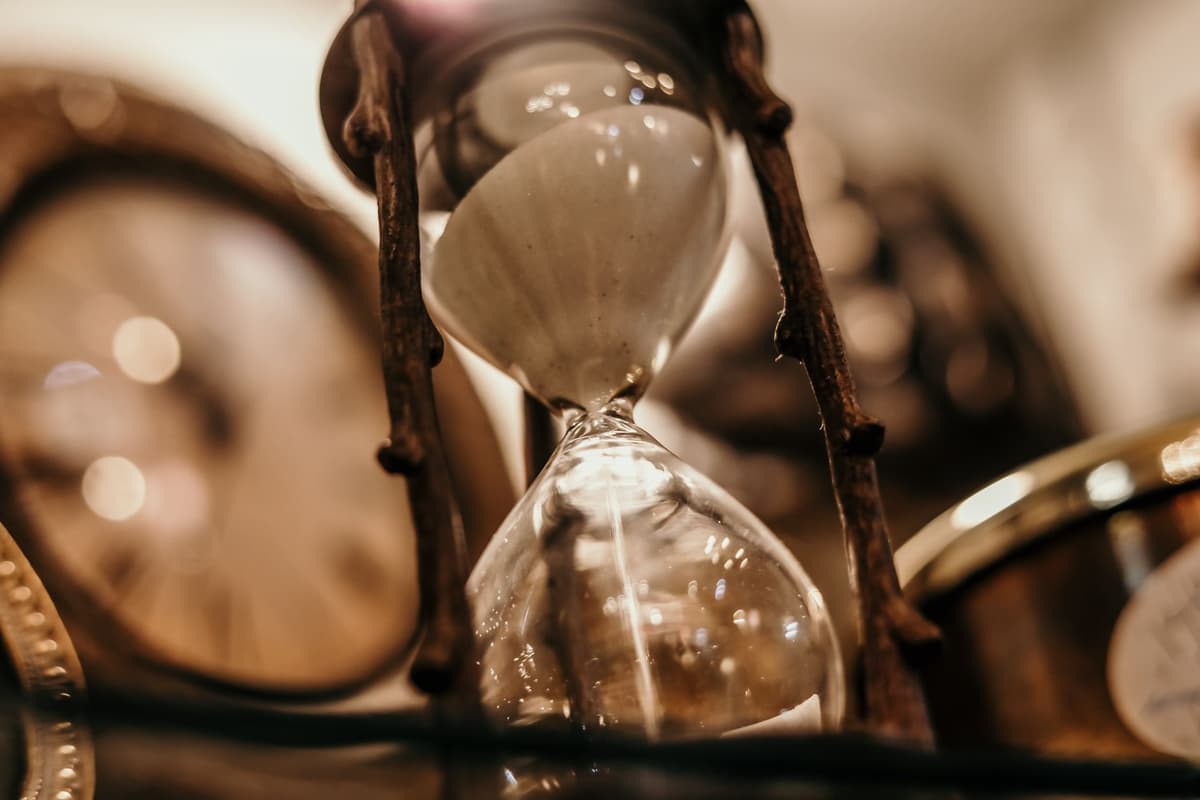
Photo by Jordan Benton on Pexels
I find myself questioning why I find the GPS solution so much more comforting than a phone sync. Maybe it’s because the GPS signal is a public good. It is a raw physical fact of the universe that these satellites are up there screaming the time at us. By building a clock that listens to them, you aren't a customer; you're an observer. You’ve removed the middleman. There is no 'Terms of Service' for the GPS constellation.
Escaping the Cloud Prison
This trend toward over-engineered autonomy seems like a direct protest against 'Cloud Dependency.' We have been burned too many times. In 2016, Google shut down Revolv, turning $300 smart home hubs into bricks overnight. In 2020, Under Armour killed off the HealthBox. We are tired of our hardware having an expiration date set by a board of directors three states away.
A GPS-synced clock or a high-end NTP display built on open-source firmware represents a return to 'dumb-smart' tech. It is technically complex—far more complex than a mechanical watch—but it is functionally sovereign. It doesn't need to 'phone home' to a server in Virginia to tell you it’s Tuesday. It just exists.
I’m curious about where this ends. If we can’t trust the companies that make our appliances to keep them running for a decade, will we eventually see a rise in 'sovereign appliances'? Imagine a refrigerator that uses local AI to manage power but has zero external network connections, or a washing machine with a manual override that bypasses the motherboard entirely. We are willing to spend $500 on a clock that syncs with satellites just to feel like we actually own the thing again.
The Loneliness of the Long-Term Machine
There is a certain irony in using the most advanced technology humanity has ever created to achieve the same result as a grandfather clock that someone winds once a week. But the grandfather clock requires a human. The GPS clock is a ghost in the machine—it maintains itself. It is a piece of hardware that has achieved a state of Zen-like independence.
I look at my desk and see devices that will be obsolete in three years, but this clock—this over-engineered, satellite-chasing monstrosity—might still be ticking exactly on the second in the year 2080, provided the satellites are still up there. It makes me wonder what else we’ve sacrificed for the sake of 'smart' features. Is the convenience of a touchscreen worth the loss of an object that can actually last a lifetime?
Maybe the 'perfect' gadget isn't the one that does the most, but the one that requires the least from us while promising never to leave. We are building these things because we’re lonely for objects we can trust. We want tools, not services. We want things that work because of physics and engineering, not because a subscription payment cleared.
What This Actually Means
The pursuit of over-engineered, maintenance-free gadgets is a signal that consumers are reaching a breaking point with disposable technology. We are starting to value 'autonomy' as a premium feature. This isn't just a hobby for nerds; it’s a blueprint for how we might demand all our products be built in the future—complex enough to be brilliant, but independent enough to be immortal.
Ultimately, this is about control. By choosing hardware that relies on universal signals (like GPS or radio) rather than proprietary servers, we are reclaiming our homes from the ecosystem wars. We are choosing to live with machines that serve us, rather than machines that report on us.
If you find yourself tempted to spend too much money on a clock that never needs setting, don't think of it as a purchase. Think of it as a small act of rebellion against a world that wants to sell you the time of day on a monthly installment plan. It’s a way to keep a little bit of the future for yourself, without having to ask for permission every time the sun comes up.
Quick Answers
Is a GPS clock overkill for a normal house?
Technically yes, but it eliminates the 'human error' of setting the time and the 'network error' of Wi-Fi glitches. It is the only way to ensure 100% accuracy without a data connection.
Do these devices actually last longer?
Yes, because they rely on physics and public broadcasts rather than private APIs. As long as the hardware doesn't physically degrade, there is no software 'kill switch' that can stop them.
Why not just use a smartphone?
Smartphones are the ultimate 'cloud' device; they are distractions that require constant charging and updates. A dedicated, autonomous clock is a single-purpose tool that respects your attention.


