Living Scripted Lives, Deliberately
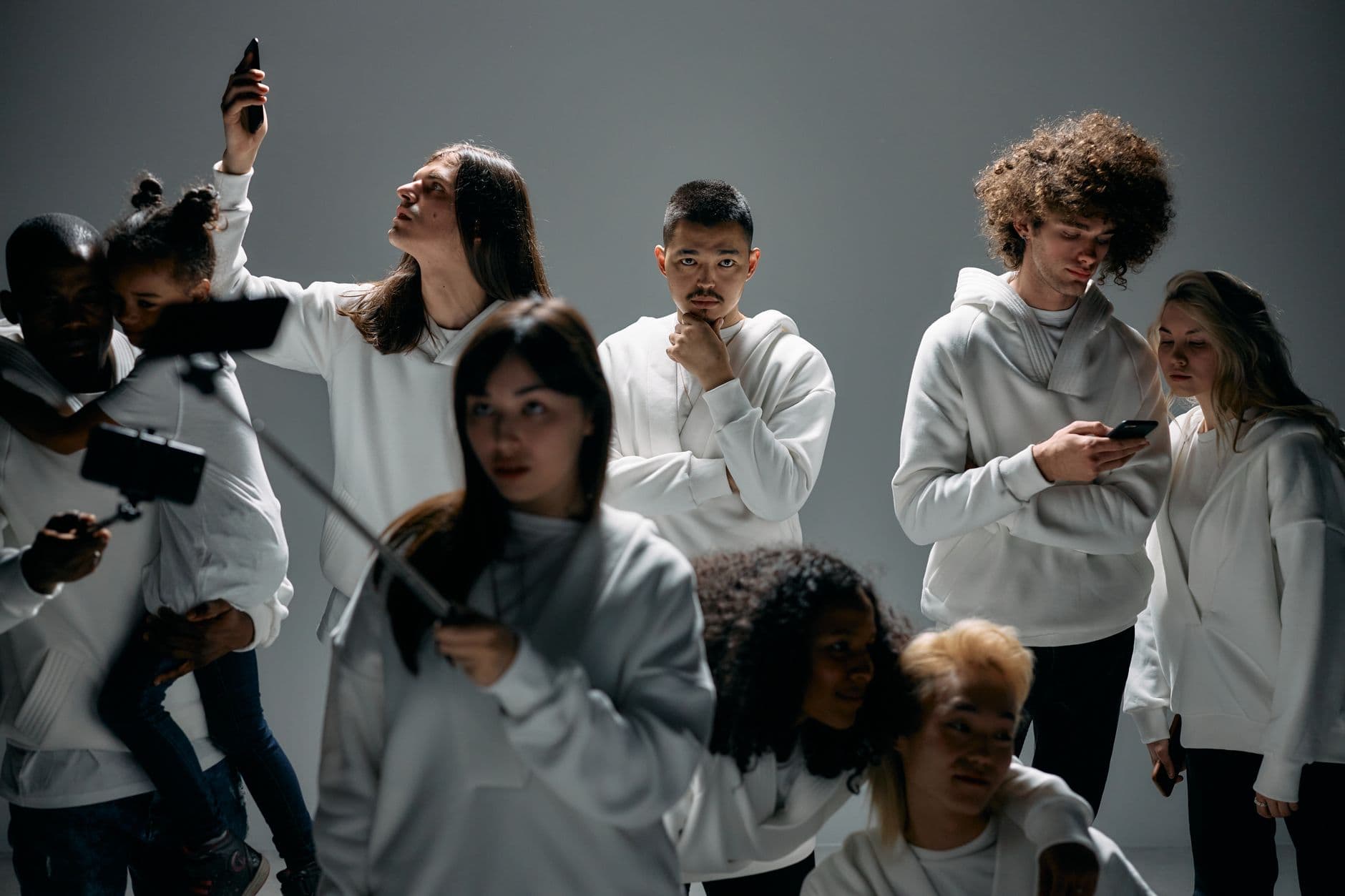
I’ve been seeing this pop up more and more: young adults embracing what they’re calling an ‘NPC life.’ Think of video game characters – the non-player characters. They have limited dialogue, predictable routines, and don't really do anything beyond their programmed function. Now, imagine choosing that for yourself. Not as a joke, but as a lifestyle. It’s not about apathy; it’s about a conscious sidestepping of the relentless pressure to be the ‘main character’ in your own existence.
This isn't just about laziness. It’s a curated embrace of the mundane. People are finding comfort in repetitive tasks, in predictable social interactions, and in not having to make grand decisions that might propel them into the spotlight of the attention economy. It’s a stark contrast to the hustle culture that’s been shoved down our throats for years, urging us to optimize every second, brand ourselves, and constantly seek the next big achievement. The NPC life, in this context, feels less like surrender and more like a strategic retreat.
The 'Agency Fatigue' Hypothesis
What’s driving this? The term 'agency fatigue' keeps surfacing. It’s this idea that we’ve been overloaded with choices and opportunities, and the expectation to constantly leverage them into some grand narrative has become utterly exhausting. The modern world, with its infinite scrolling feeds and curated perfection, demands we constantly perform. We’re supposed to be the protagonists of our own wildly successful, Instagram-worthy stories. But what happens when the sheer effort of maintaining that narrative, of being perpetually 'on,' becomes too much?
It’s like being stuck in a casino where every machine offers you a chance at a jackpot, but the energy required to keep pulling the lever drains you faster than you can collect your pennies. So, some people are just walking away from the machines. They’re choosing the simple, predictable loop. The NPC doesn't worry about their personal brand or their next career move. They just are. And in a world that commodifies individuality, perhaps that's a kind of freedom.
The Digital Echo Chamber Effect
This subculture seems to thrive online, ironically. TikTok and other platforms are where many discover and share this 'NPC' aesthetic. It’s fascinating because the very platforms that contribute to this 'hyper-optimization' are also becoming the spaces where people articulate their rejection of it. They create content about living a life devoid of constant self-improvement and dramatic arcs.
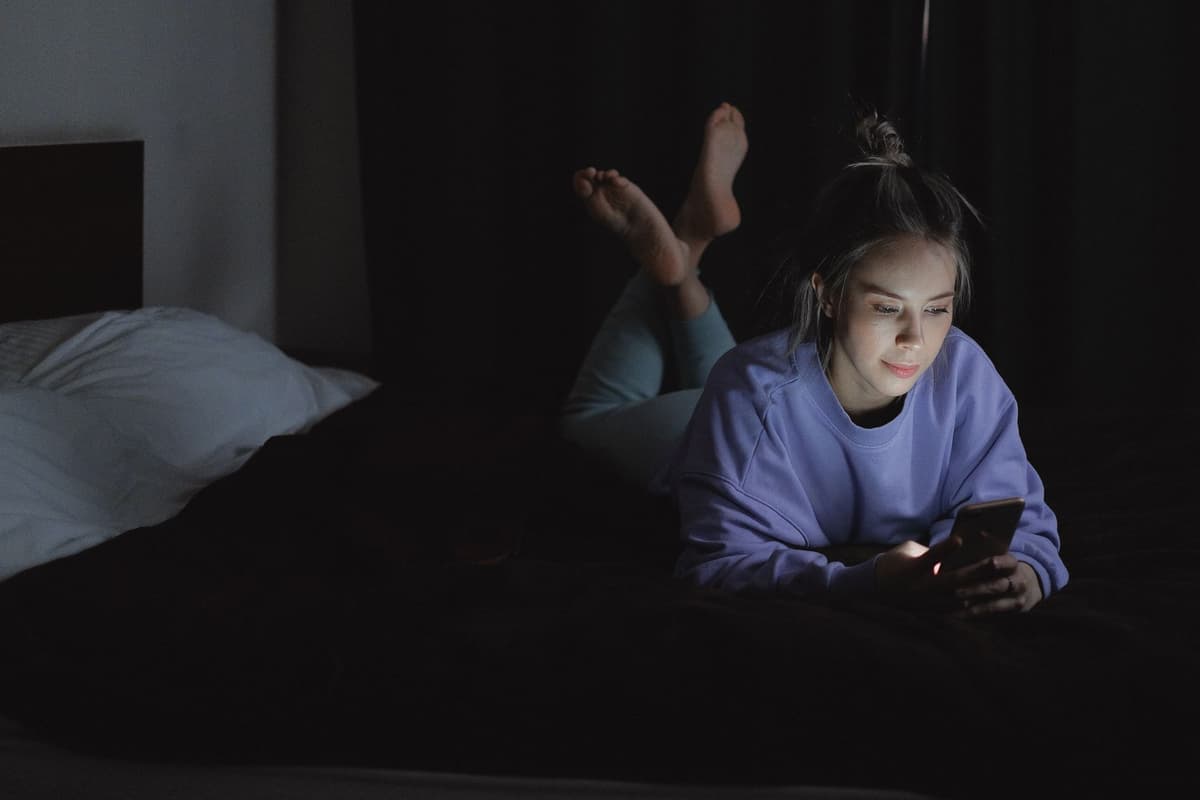
Photo by SHVETS production on Pexels
It makes me wonder about the psychological mechanisms at play. Is it a defense mechanism, as some suggest? When the pressure to be extraordinary is so immense, and the consequences of failure feel so public, opting for a less visible, less demanding existence could be a way to protect one’s mental well-being. It’s like wearing camouflage in a jungle that’s constantly trying to spot and capture its prey – the ‘main characters.’
Reclaiming the Mundane, One Loop at a Time
So, what does this mean for the future? Are we heading towards a society of contentedly scripted individuals? Or is this a temporary, albeit peculiar, coping mechanism? I'm genuinely not sure. It could be a fleeting trend, a quirky rebellion that fades as quickly as it emerged. Or, it could be a more fundamental shift in how younger generations perceive success and fulfillment.
Perhaps the 'NPC life' isn't about a lack of ambition, but a redefinition of it. Maybe fulfillment isn't found in climbing ladders and accumulating achievements, but in finding peace and stability within a chosen, predictable framework. The focus shifts from external validation to internal comfort. It's a quiet rejection of the idea that every moment must be optimized for maximum impact or personal gain. It's about finding a rhythm, a comforting repetition, in a world that often feels chaotic and overwhelming.
What This Actually Means
I keep coming back to the idea that this isn't nihilism. It’s a form of self-preservation in an environment that’s designed to extract maximum performance from everyone, all the time. The constant demand for 'growth,' for 'progress,' for 'engagement' can be incredibly draining. When you feel like you’re constantly being judged on your ability to be a standout, to be unique, to be more, the appeal of simply being, without that pressure, becomes incredibly strong.
It’s a testament to the sheer exhaustion that the current cultural emphasis on individual achievement and constant self-optimization is generating. This ‘NPC’ movement is a quiet, almost passive, protest. It’s a way of saying, “I’m opting out of the competition to be the most interesting person in the room, because frankly, I’m tired.” And honestly, I can see the appeal.
Quick Answers
What is an 'NPC life'?
It's a lifestyle where individuals deliberately adopt repetitive routines, limited decision-making, and predictable behaviors, mirroring non-player characters in video games, as a way to cope with modern pressures.
Why are people choosing this lifestyle?
Many cite 'agency fatigue,' exhaustion from the constant pressure to optimize their lives, be 'main characters,' and perform for attention, seeking comfort and reduced stress in predictability.
Is this a sign of societal decline?
It's more likely a psychological response to the overwhelming demands of the current attention economy and hyper-optimization culture, rather than a definitive statement about societal progress or decline.


