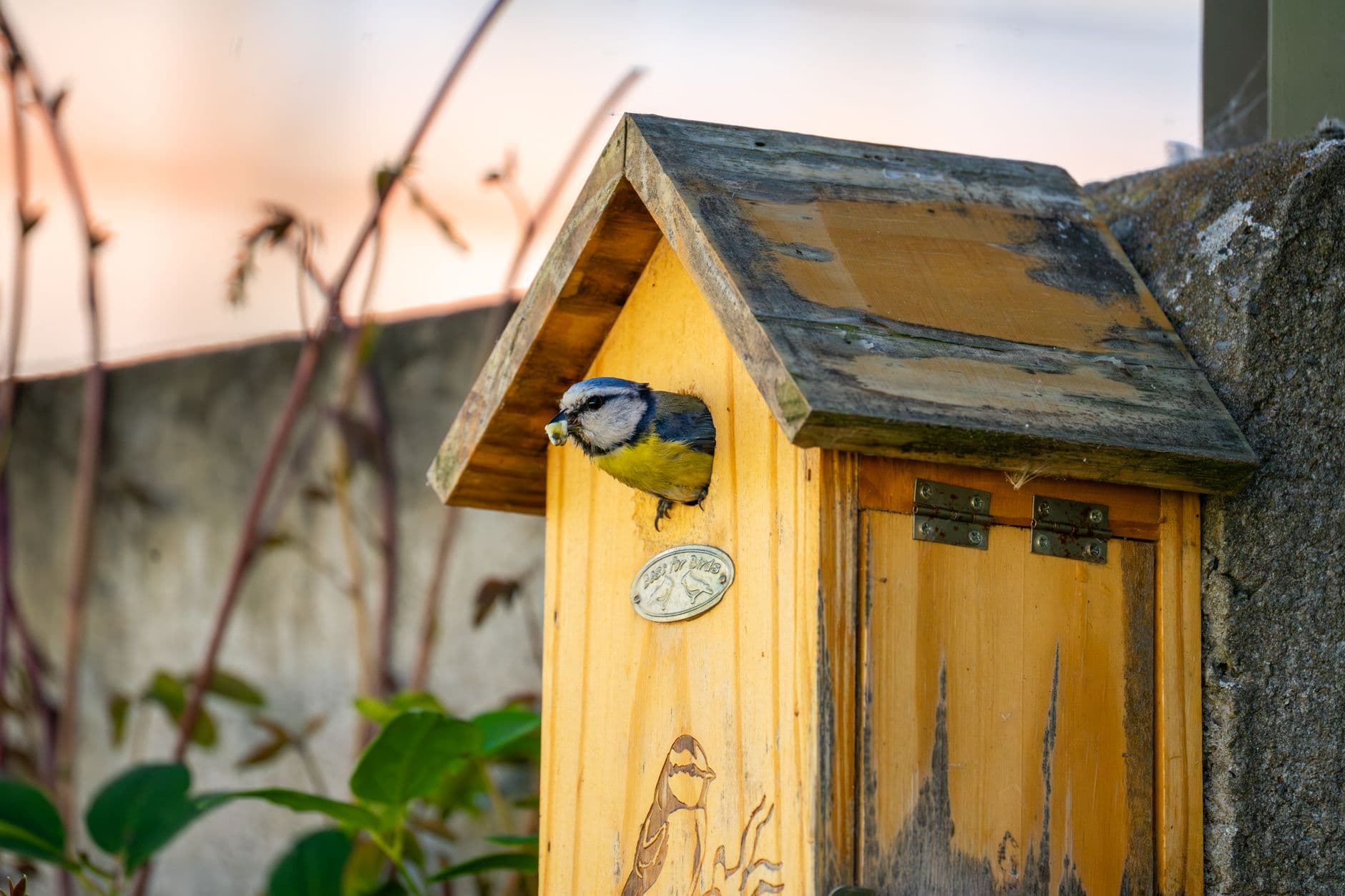
From Porch Piracy to Avian Espionage
For years, my outdoor security cameras had one job: alert me whenever a delivery driver threw my 'Fragile' glassware like he was trying to close out the ninth inning of the World Series. It was a boring, cynical existence. I was just another guy with a $200 glass eye watching for porch pirates who never came. Then I realized that while my AI was searching for human-shaped threats, it was completely ignoring the real drama happening on my bird feeder. There is a whole world of feathered chaos out there, and I was missing the granular details of every seed-based turf war.
I decided to pivot. I didn't need to know if the mailman was walking on my grass; I needed to know if that was a House Finch or a Purple Finch. The stakes are incredibly high, mostly because I have nothing else going on on a Tuesday afternoon. By plugging my generic camera feeds into a localized Edge-AI model, I’ve effectively turned my house into a suburban version of a high-security lab, except instead of searching for Jason Bourne, I’m searching for a particularly chubby Northern Cardinal who seems to have a personal vendetta against my sunflower seeds.
The Hardware is Already Watching Us
There are roughly one billion surveillance cameras on this planet. That is a staggering amount of hardware dedicated to the collective anxiety of humanity. We are using cutting-edge silicon and neural networks to make sure nobody steals a used lawnmower from a driveway. It’s a waste of processing power. When I realized my camera’s 'Human Detection' feature was just a specialized version of 'Is This a Moving Blob,' I started re-training it. Now, instead of a notification that says 'Person detected,' my phone screams 'TUFTED TITMOUSE AT THE PERIMETER.' It’s much more stressful, but significantly more rewarding.
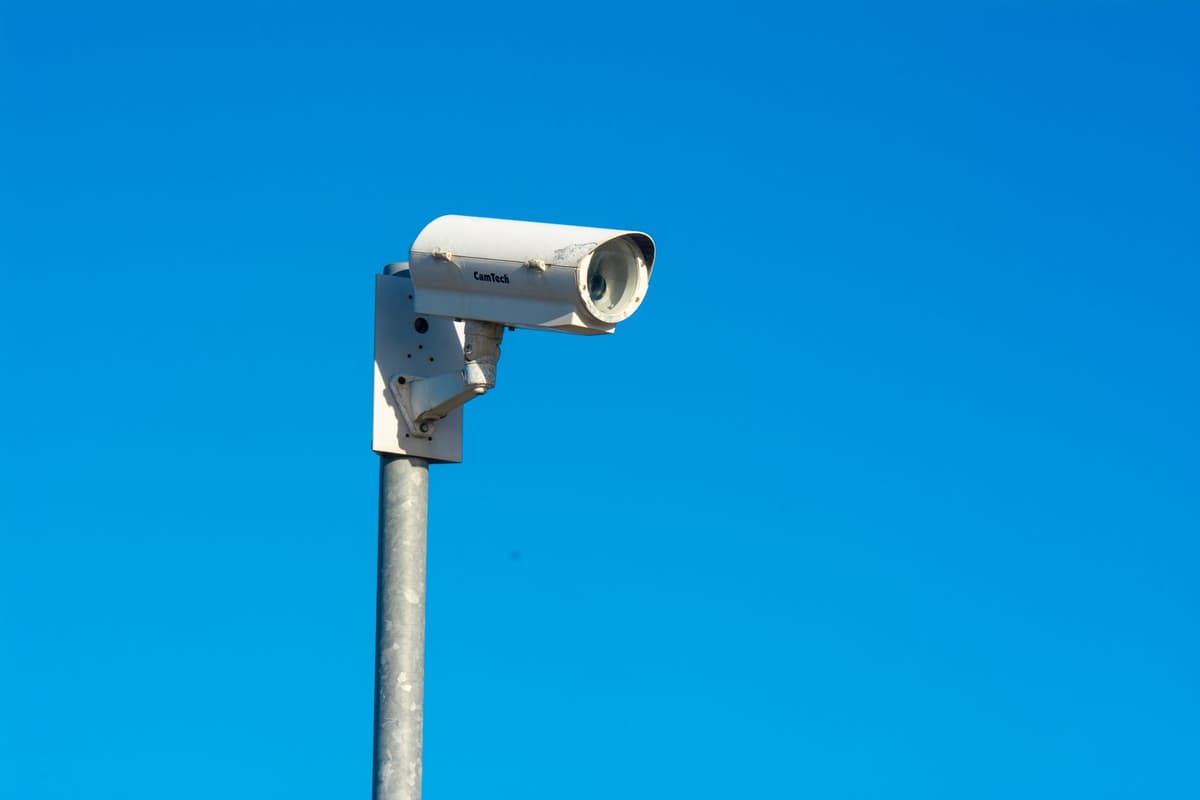
Photo by Jan van der Wolf on Pexels
Most people think AI is this ethereal cloud-based god, but on the 'Edge,' it’s just a very fast, very stupid toddler that you’ve trained to recognize shapes. I spent six hours teaching my camera that a squirrel is not, in fact, a 'Small Dog with a Tail Problem.' Once you get the weights right, the system becomes a passive citizen science machine. I am now contributing to a global database of biodiversity, mostly by proving that my backyard is the primary hangout for every confused pigeon in a three-mile radius.
Data Privacy for Pigeons
There is something deeply satisfying about repurposing 'Big Brother' technology for 'Little Sister Sparrow.' The facial recognition algorithms that governments use to track dissidents are, it turns out, remarkably good at identifying the specific markings on a Woodpecker’s head. I’ve noticed that the birds don’t seem to mind the surveillance. They don't have a concept of the Fourth Amendment. They will look directly into a 4K lens while eating a fermented berry and vibrating with the intensity of a jet engine, totally unaware that their presence is being logged into a CSV file for a researcher in Berlin.
- The AI can distinguish between 400 species of birds.
- It still thinks my neighbor's cat is a 'Large Flightless Owl.'
- My wife has asked why the living room TV now displays a live 'Threat Level' for local Blue Jays.
- I have accidentally created a 24/7 reality show where the main plot point is 'Who dropped the suet?'
We are living in an era where the average homeowner has more sensor power than a 1990s research university. If we all stopped looking for burglars and started looking for warblers, we’d have the most comprehensive ecological map in human history. Plus, it’s much harder to get into a heated political argument with a Goldfinch. They don't have opinions on tax brackets; they just want to know if the birdbath is clean or if it’s currently a soup of dead leaves and regret.
What This Actually Means
This shift from 'Security' to 'Science' represents the first time in history that being a paranoid homeowner has a net positive for the planet. We’ve spent billions of dollars on a global grid of cameras meant to protect our stuff, but that same grid can now be used to protect species we didn’t even know were in our zip codes. When you turn your doorbell into a biological sensor, you aren't just a guy with a gadget; you’re a node in a massive, unintended telescope pointed at the natural world.
It changes how you see your own property. You stop looking at your yard as a patch of grass you have to mow and start seeing it as a transit hub for a thousand different lives. You realize that the 'security' you were looking for wasn't about catching a thief—it was about connecting to the weird, frantic, and highly-coordinated world of nature that’s been happening right under your nose while you were busy checking your Amazon tracking numbers.
Quick Answers
Is my camera going to start judging me?
No, the AI doesn't care that you’re checking the mail in your bathrobe at 2 PM; it’s too busy trying to calculate the wingspan of a passing crow.
Do I need a PhD in computer science to do this?
Not anymore. Most of these 'Edge-AI' tools are now basically 'plug-and-play,' provided you have the patience of a saint and don't mind your computer fan sounding like a Boeing 747 taking off.
Will this actually help scientists?
Surprisingly, yes. Researchers love 'passive data' because it's consistent, localized, and they don't have to pay a grad student to sit in a bush for three weeks with a pair of binoculars and a notebook full of rain-smudged lies.


