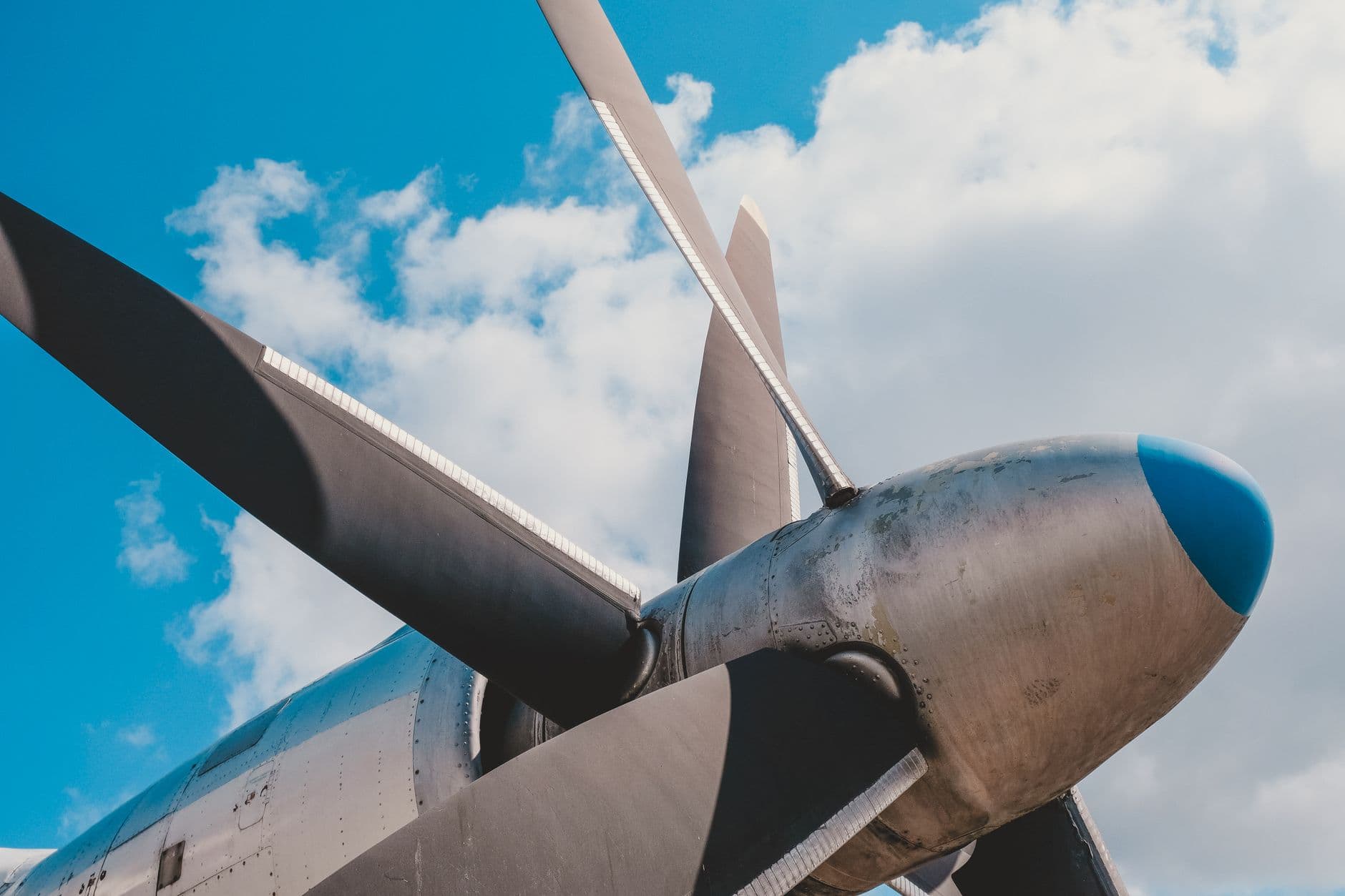
Aviation has spent the last decade chasing a mirage of silent, carbon-free flight powered by batteries that simply do not possess the energy density required to lift themselves, let alone a payload, across an ocean. This week’s shift toward hybrid-electric engines targeting a 30% leap in fuel efficiency is not a retreat; it is a long-overdue reconciliation with reality. We are finally moving past the marketing brochures of 'all-electric' startups and toward the rigorous engineering required to decarbonize the hardest-to-abate sector in the global economy.
Traditional turbofans have reached a plateau where incremental gains are measured in fractions of a percent. To demand a 30% improvement from a standard kerosene-burning engine is to ask for a miracle of thermodynamics that the last forty years of aerospace engineering haven't been able to provide. By integrating electric motors into the core of the propulsion system, we are finally breaking that stagnation.
The Physics of Failure in Pure Electrification
The fundamental problem with all-electric flight is the energy density gap. Jet fuel contains roughly 12,000 watt-hours per kilogram (Wh/kg). Even the most advanced lithium-ion batteries currently struggle to reach 300 Wh/kg. This 40-to-1 ratio is the reason why a Tesla can drive for 300 miles, but an electric Boeing 737 cannot currently make it off the tarmac with a full load of passengers.
Weight is the enemy of flight. In a liquid-fueled aircraft, the plane gets lighter as it flies, becoming more efficient with every mile. A battery-powered plane carries the same dead weight of its 'fuel' from takeoff to landing. This structural penalty makes pure electric flight an impossibility for anything beyond regional 'puddle jumpers' or flight school trainers. The pivot to hybrid systems acknowledges that we need the energy density of liquid fuels—whether fossil or synthetic—to handle the heavy lifting, while using electricity to optimize the least efficient parts of the flight cycle.
Engineering the 30% Efficiency Leap
This 30% target is significant because it represents a generational leap rather than an iterative tweak. Hybrid-electric engines achieve this by using electric motors to assist the gas turbine during high-load phases like takeoff and climb. This allows engineers to downsize the primary engine, running it at its peak efficiency for the duration of the cruise phase rather than over-specifying it for the initial five minutes of flight.
- Peak Shaving: Using batteries to provide the burst of power needed for takeoff reduces the thermal stress on the turbine.
- Regenerative Descent: Like a hybrid car, these aircraft can use the wind passing through the fans during descent to recharge batteries.
- Distributed Propulsion: Electric motors allow for smaller fans to be placed along the wing, improving aerodynamic flow in ways a single massive turbofan cannot.
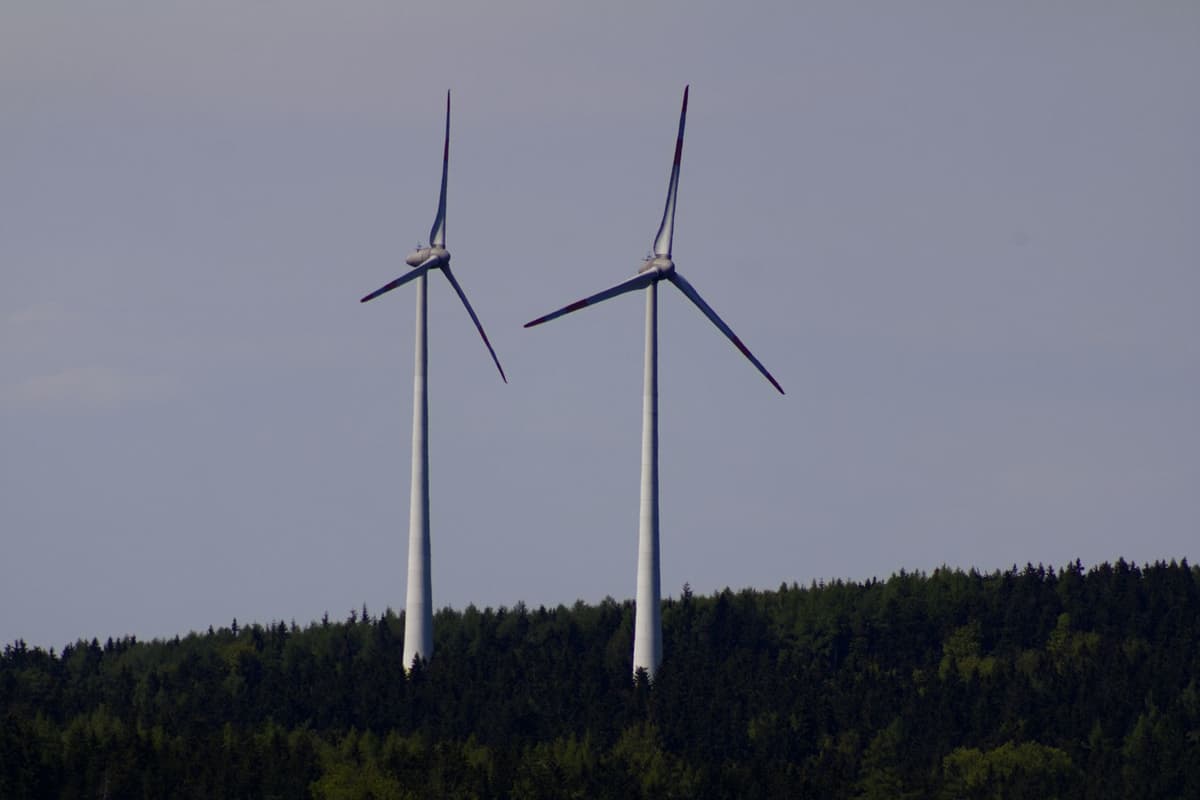
Photo by Marek Prášil on Pexels
By decoupling the power generation from the thrust, we allow the gas turbine to do what it does best—generate steady-state power—while the electric system handles the dynamic adjustments. This synergy is the only way to bypass the diminishing returns of traditional jet engine design. It is a sophisticated solution for a complex problem, far removed from the simplistic 'battery and motor' narrative that has dominated the tech press.
The Middle-Mile Strategic Shift
The industry is correctly focusing on the 'middle-mile'—flights between 500 and 1,500 miles. This segment accounts for a massive portion of global aviation emissions and is where the hybrid-electric configuration finds its 'Goldilocks' zone. It is long enough to require the power of a turbine but short enough that the weight of a hybrid battery system doesn't become a prohibitive tax on performance.
This shift also prepares the infrastructure for the eventual transition to Sustainable Aviation Fuel (SAF) or hydrogen. A hybrid-electric aircraft is platform-agnostic regarding what spins the turbine. Whether it's burning kerosene today or green hydrogen tomorrow, the 30% efficiency gain from the electric drivetrain remains constant. We are building the architecture of the future while using the fuels of the present to bridge the gap.
What This Actually Means
This pivot signifies the end of the 'all-electric' hype cycle and the beginning of the industrialization phase of sustainable flight. We are trading the aesthetic appeal of a zero-emission propeller plane for the functional reality of a hybrid jet that can actually carry 150 people from Chicago to New York. It is a victory for pragmatism over optics.
For the passenger, this means the era of guilt-free flight is still decades away, but the path toward it is finally visible and scientifically grounded. A 30% reduction in fuel burn is a massive economic incentive for airlines, which will drive adoption faster than any government mandate ever could. When the math works, the industry moves.
Ultimately, we must accept that there is no 'silver bullet' for aviation. Decarbonization will be a grueling, multi-decade process of compounding marginal gains. This hybrid transition is the most significant of those gains to date, providing a blueprint for how we might actually keep the world connected without destroying the atmosphere in the process.
Quick Answers
Why not just use better batteries?
Even if battery density tripled tomorrow, they would still be ten times less efficient than jet fuel by weight, making long-haul flight impossible.
Is a 30% efficiency gain enough to meet climate goals?
No, but it is the largest single-step improvement in aviation history and provides the necessary foundation for carbon-neutral fuels.
When will these hybrid planes actually fly?
Ground testing is underway now, with mid-sized commercial demonstrators expected to enter service between 2030 and 2035.
Will this make flights more expensive?
Initially, yes, due to R&D costs, but the 30% reduction in fuel consumption—typically an airline's largest expense—should stabilize prices long-term.