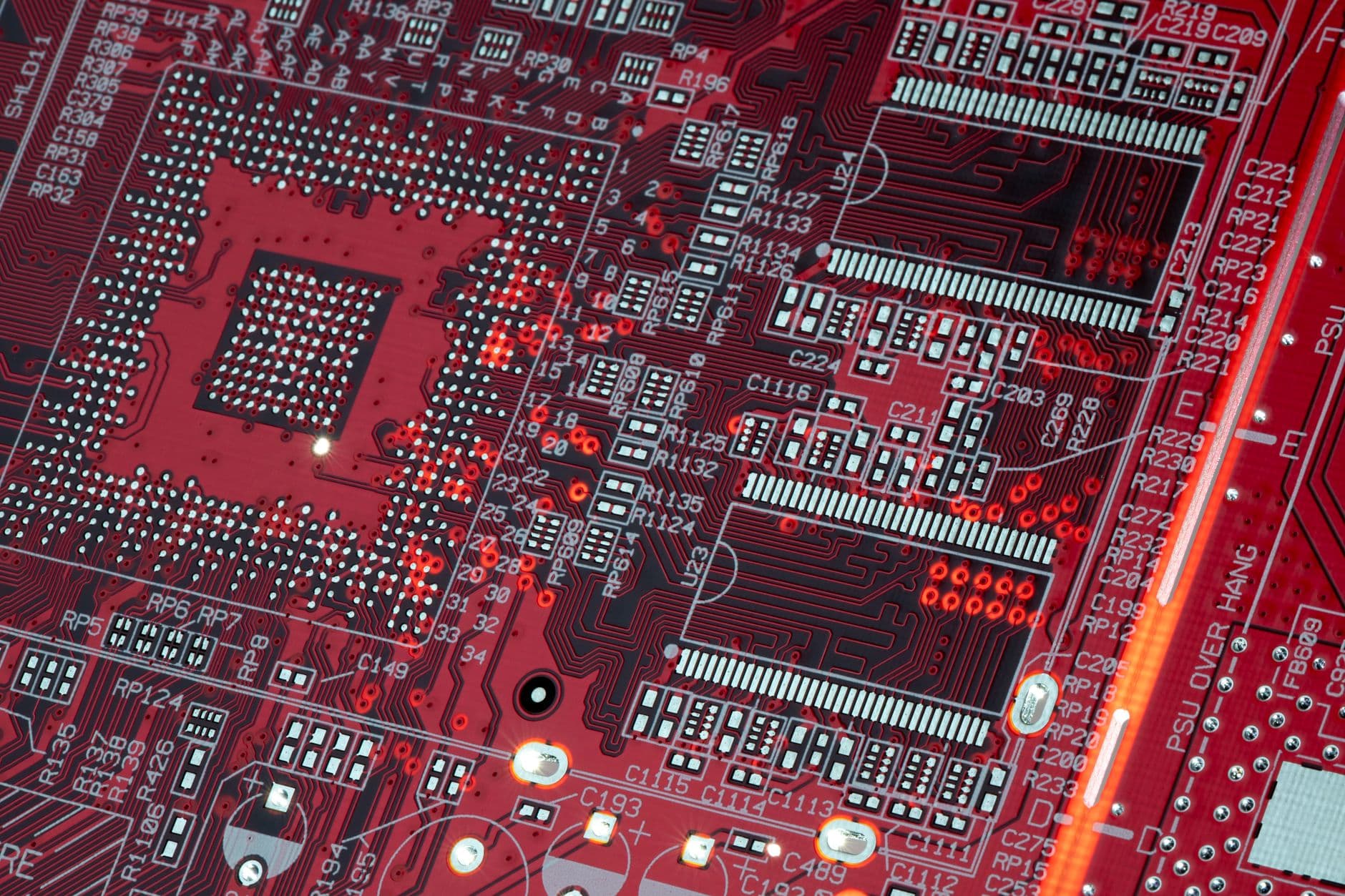
The Silicon Diet We Didn't Know We Needed
Data centers are currently the equivalent of that one roommate who leaves every light on, runs the dishwasher for a single spoon, and then wonders why the utility bill costs more than the rent. We have reached a point where 'AI innovation' is just a fancy way of saying 'we are going to melt a small glacier to generate a picture of a cat wearing a tuxedo.' Fujitsu looked at this burning dumpster fire of energy consumption and decided to invent the Monaka, a CPU designed to run on the electrical equivalent of a polite suggestion.
Most high-end chips behave like Victorian steam engines; they scream, they get hot enough to cook a medium-rare ribeye, and they demand a constant sacrifice of coal. The Monaka is different. It’s built on a 2nm process, which is so small that if you dropped it in a shag carpet, it would technically cease to exist in our dimension. By shrinking the architecture to this microscopic level, Fujitsu is betting that we can keep our AI overlords fed without needing to build a nuclear reactor in every zip code.
If you’ve ever felt your laptop get so hot it started to fuse with your thighs, you understand the problem. Now imagine that, but it’s a building the size of a Costco filled with thousands of those laptops all screaming at once. That is the modern data center. Fujitsu’s 'Eco-Silicon' approach is basically telling the industry to stop trying to buy carbon offsets from a forest in Norway and just stop being so thirsty for volts in the first place.
Sovereign AI Means Never Having to Say You're Sorry
There is a very specific kind of panic that happens when a country realizes its entire technological future depends on a single guy in California named Jensen who wears a cool leather jacket. Every nation on Earth is currently scrambling to build 'Sovereign AI,' which is geopolitical speak for 'we want our own robots so the Americans don't turn ours off if we get into a trade spat over cheese exports.' Fujitsu is handing Japan the keys to the kingdom with a chip that doesn't require a direct line to the sun to operate.
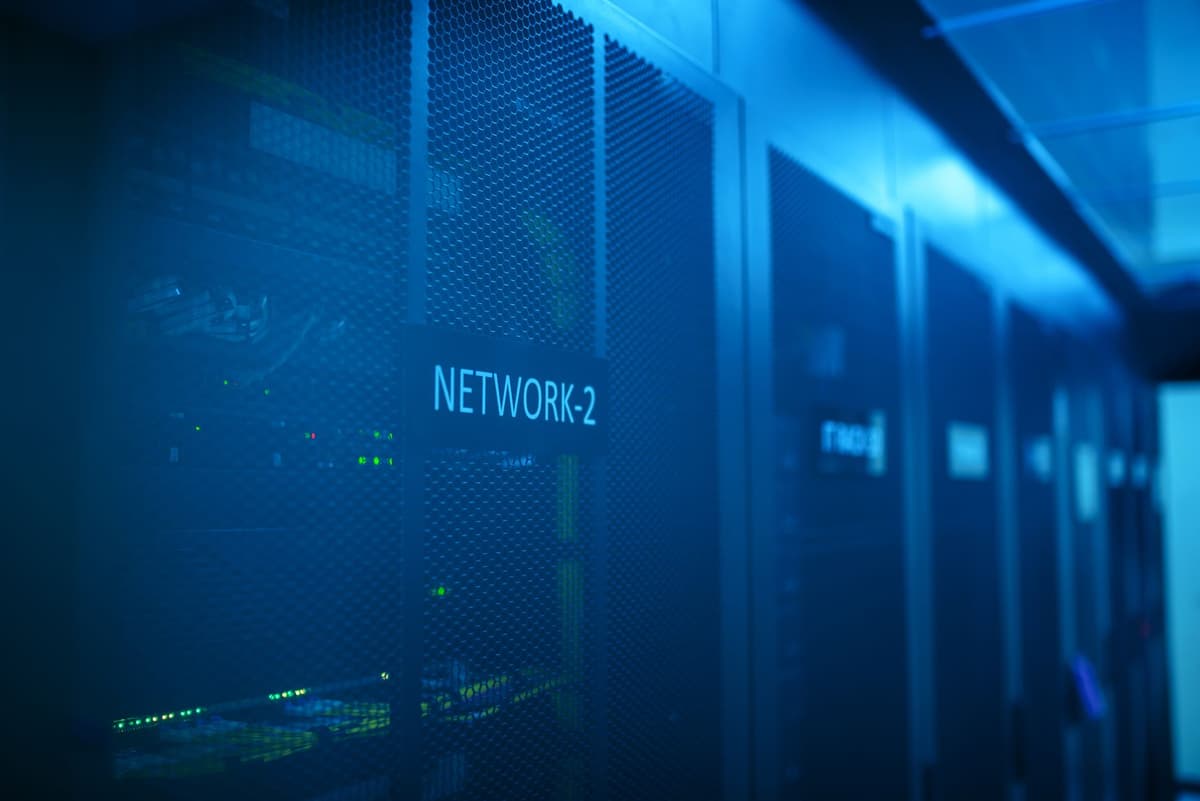
Photo by panumas nikhomkhai on Pexels
Building a data center usually requires the kind of power grid that could restart a dead planet. By lowering the power floor, the Monaka allows nations to tuck AI clusters into places that previously couldn't handle the load—like a converted basement or a very large shoe box. It’s about decentralizing the brainpower. You don't need to beg for a spot on the global GPU waitlist when you’ve got a domestic chip that is as energy-efficient as a hibernating bear.
We are moving away from the 'bigger is better' era of computing, which was basically just the Hummer H2 phase of the internet. We are entering the era of architectural elegance. It turns out that if you design a chip to actually be smart about how it moves electrons, you don't need to build a literal moat of liquid nitrogen around your server racks just to keep them from hitting critical mass.
The Death of the Green Energy Shell Game
For the last decade, Big Tech has played a hilarious game called 'REC-laundering.' They use enough electricity to power a small European nation, but then they buy 'Renewable Energy Credits' from a wind farm that was built in 1994, and suddenly, their carbon footprint is magically zero. It’s like eating a 4,000-calorie cheesecake but claiming it’s a salad because you bought a picture of a head of lettuce. The Monaka is the first real sign that the industry is tired of the lie.
By focusing on 'architectural efficiency' instead of just 'buying more offsets,' Fujitsu is forcing the conversation back to physics. You can’t fake a lower wattage. If the chip pulls 150 watts instead of 400, that is real, tangible carbon not being puked into the atmosphere. It’s the difference between buying a gym membership you never use and actually just walking to work. One makes you feel better on LinkedIn; the other actually changes the outcome.

Photo by Tima Miroshnichenko on Pexels
This shift is going to make a lot of people uncomfortable because it requires actual engineering talent rather than just a large checkbook. You can’t just throw money at the climate problem if your hardware is fundamentally broken. Fujitsu is proving that the path to a sustainable future isn't paved with solar-powered Bitcoin miners, but with silicon that knows how to take a nap when it isn't busy calculating the trajectory of a virtual tennis ball.
What This Actually Means
The Monaka isn't just a piece of hardware; it’s a declaration of independence from the 'more power solves everything' school of thought. By 2027, when these things are humming away in basements across Tokyo, we’re going to look back at our current data centers and realize they were basically just very expensive space heaters that occasionally did math. We are finally moving toward a world where 'high performance' doesn't mean 'high fever.'
This is the start of a trend where the most valuable metric isn't TFLOPS, but TFLOPS-per-watt. It’s a boring name for a revolution, but so was 'The Steam Engine.' If you can run a massive language model on the energy it takes to toast a bagel, you’ve won the future. Fujitsu just took the first bite of that bagel, and it tastes like domestic sovereignty and lower cooling bills.
Ultimately, the goal of technology should be to make our lives better without making the outdoors unbreathable. If we have to choose between 'AI that can write poetry' and 'a planet that isn't on fire,' most of us would pick the planet. Fujitsu is suggesting that, for the first time, we might actually be able to have both. And if that means we get to stop hearing about carbon offsets for five minutes, I am all in.
Quick Answers
Is the Monaka really that much better?
Yes, it’s aiming for a 2x increase in power efficiency over current chips, which in data center terms is the difference between a slight breeze and a hurricane.
Why does Japan care so much about this?
Because they have limited land and even more limited energy resources, and they’d prefer not to spend their entire national GDP on keeping a server room at 68 degrees.
Will this make my gaming PC faster?
Probably not directly, unless your idea of gaming involves running complex fluid dynamics simulations at 2:00 AM, but the tech will eventually trickle down to your heated mousepad.