I keep staring at the satellite imagery of these things. A pyrocumulonimbus (pyroCb) isn't just a big smoke plume; it is a fire that has become sentient enough to manufacture its own weather system. In the Gironde region of France, the heat intensity reached a point where it punched through the troposphere, creating a chimney effect that sucks up embers and spits out lightning. It is a terrifyingly efficient feedback loop.
I find myself wondering if we are physically prepared for the sheer scale of energy being released here. We talk about 'fighting' fires as if they are intruders we can evict, but how do you evict a cloud that is essentially a self-sustaining heat engine? It feels like we are watching the laws of thermodynamics rewrite the manual on civil defense in real-time.
The Physics of a Vertical Border
Traditional firefighting is a horizontal game. You draw a line in the dirt, you spray water across a plane, and you hope the wind stays consistent. But a pyroCb changes the geometry of the problem to something vertical and chaotic. When a fire cloud forms, it can collapse in on itself, sending 'downbursts' of localized wind at 100 mph in every direction. This isn't just a fire anymore; it's an atmospheric event that ignores every firebreak we've ever cleared.
I’m curious about the psychological shift this requires for the people on the ground. For decades, the Mediterranean doctrine was based on containment. Now, French crews are reporting conditions where the fire jumps over highways and rivers as if they weren't there, carried by the very weather the fire created. It makes me think about the limits of human engineering. We build 20-meter firebreaks, but the atmosphere is currently operating on a kilometer-scale logic.
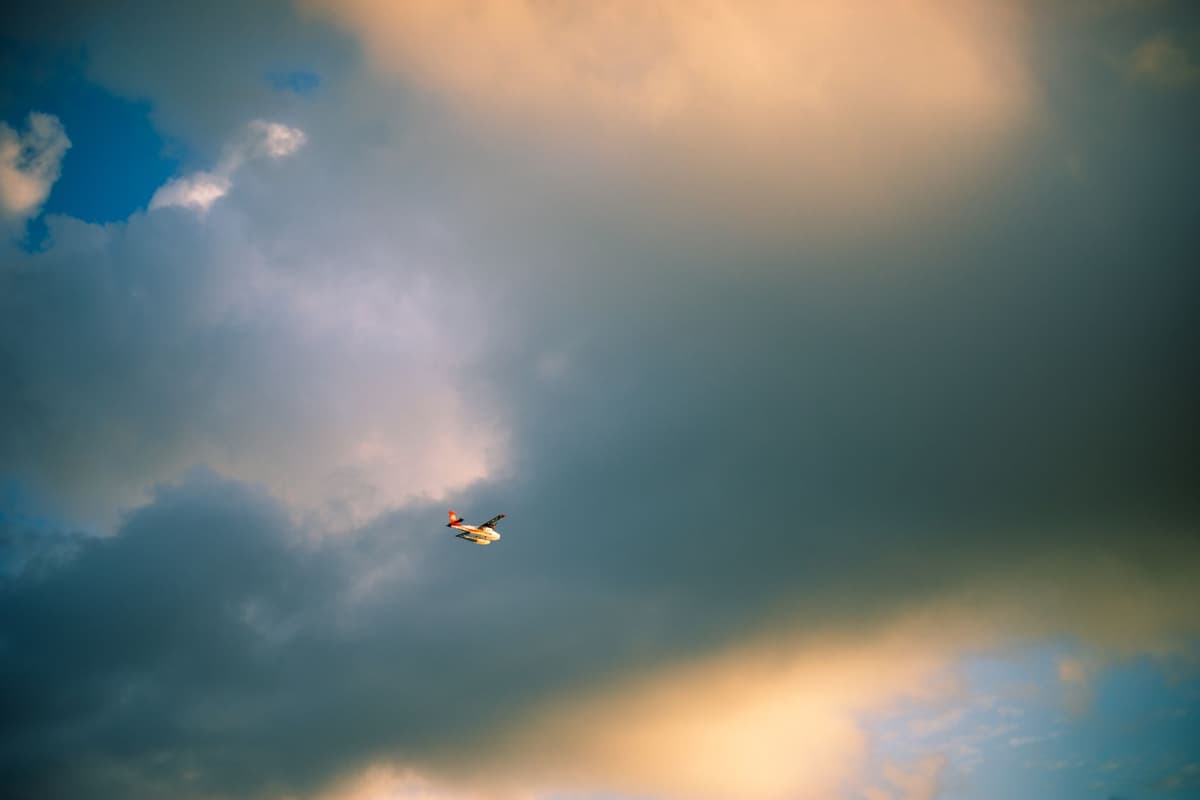
Photo by Maahid Photos on Pexels
What happens to the concept of 'national' security when the threat is literally falling from the sky five miles away from the actual blaze? We are seeing a transition from 'firefighting' to something that looks more like 'atmospheric management,' and I'm not sure we have the vocabulary for it yet.
The End of the Sovereign Fire Hydrant
There is a strange, emerging reality in the European Union right now: no single country is big enough to own the solution to its own heat. France is one of the most capable nations on Earth when it comes to civil protection, yet even they had to look at the Gironde fires and realize their fleet was a drop in the bucket. This is where the 'strategic autonomy' buzzword actually starts to mean something tangible.
- The EU is currently doubling its firefighting air fleet, aiming for 28 aircraft by 2030.
- Individual nations are realizing that owning three Canadair planes is useless if a pyroCb requires twelve at once.
- We are moving toward a model where 'security' isn't about patrolling a border with tanks, but about a shared pool of wings that can move from Athens to Bordeaux in four hours.
I wonder if this is the first time in history that weather has forced a surrender of national ego. Usually, nations give up sovereignty for trade or currency. Now, they are doing it because the clouds are starting to throw lightning bolts made of burning pine needles. It’s a fascinating, if grim, form of forced cooperation.
The Logistics of a New Atmosphere
If you look at the numbers, the scale of the shift is staggering. The EU’s RescEU program is spending hundreds of millions of euros to build a fleet that no one nation could justify on its own balance sheet. But it’s not just about the planes; it’s about the data. To predict a pyroCb, you need satellite arrays and AI modeling that can track heat signatures in real-time across the entire continent.
I find myself thinking about the pilots. Flying into a pyroCb is essentially flying into a volcanic eruption that is also a thunderstorm. The turbulence is enough to snap wings. We are asking humans to navigate a new kind of sky that didn't exist in Europe twenty years ago. Does our current pilot training even cover 'avoiding the fire-induced microburst'?
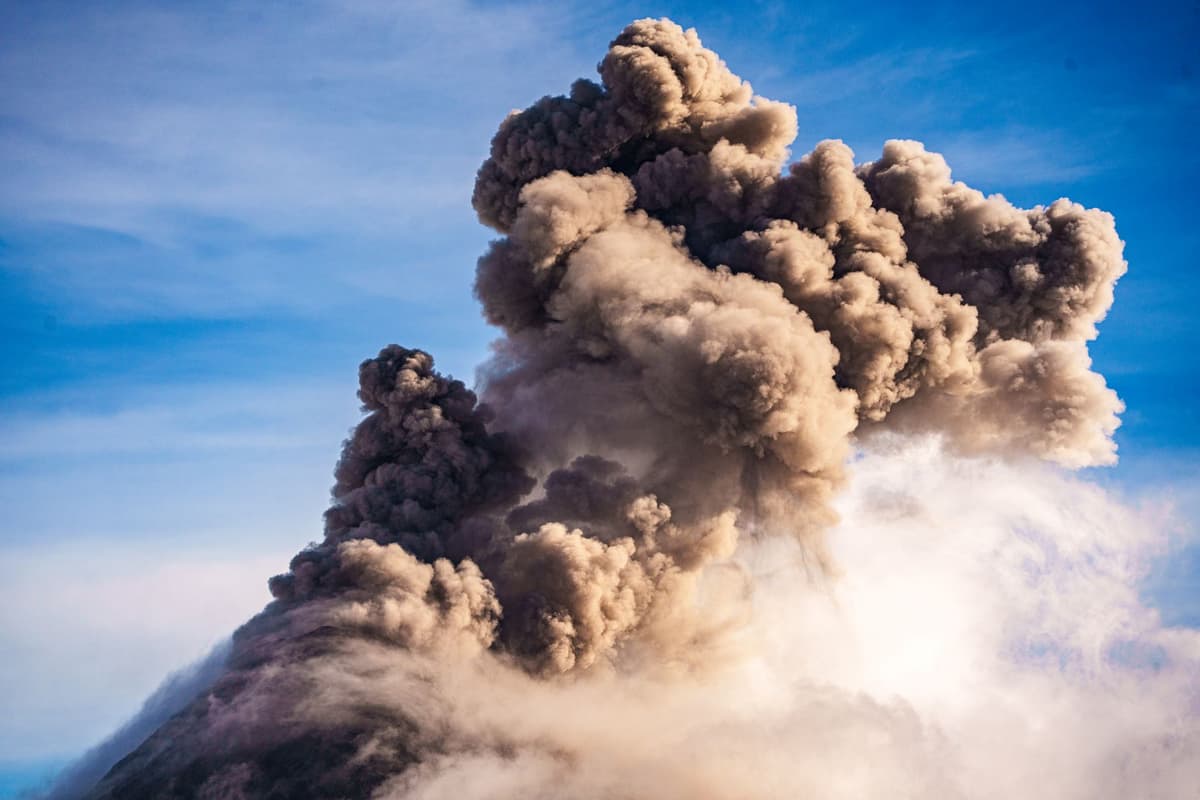
Photo by Diego Girón on Pexels
Is it possible that the climate-security nexus is actually the most powerful unifying force in European history? We’ve tried to unify through coal, steel, and bureaucracy. But maybe the thing that finally erases the significance of the border is the realization that a fire in Spain is just a draft away from becoming a cloud in France.
What This Actually Means
We are witnessing the birth of a post-border security doctrine. For a long time, 'geopolitics' was about who owned which piece of dirt. But as the atmosphere becomes more energetic, the dirt matters less than the air currents above it. The emergence of pyrocumulonimbus in Europe is a signal that the environment has moved faster than our political structures.
It means that 'strategic autonomy' isn't just a fancy way for Europe to say they don't want to rely on the US for defense; it's a literal necessity for survival in a world where the weather has become an active combatant. We are moving toward a future where a 'European Army' might not carry rifles, but water tanks and infrared sensors.
I’m left wondering what the next threshold is. If we’ve reached the point where fires make their own weather, what happens when that weather starts interacting with other systems? We are students in a very high-stakes physics class, and the teacher just skipped three chapters ahead.
Quick Answers
What exactly is a pyrocumulonimbus?
It is a thunderstorm cloud that forms above a massive heat source, like a wildfire, using the fire’s own heat to drive air upward until it condenses and creates its own wind and lightning.
Why is this a big deal for Europe specifically?
Europe’s firefighting infrastructure was designed for 'normal' forest fires; these clouds represent a level of atmospheric energy that renders traditional ground-based containment almost useless.
How does this change the 'geopolitics' of the region?
It forces nations to integrate their emergency services and air fleets into a single, borderless unit, as no individual country can afford the specialized tech needed to combat these 'fire clouds' alone.


