The Great Copper Divorce
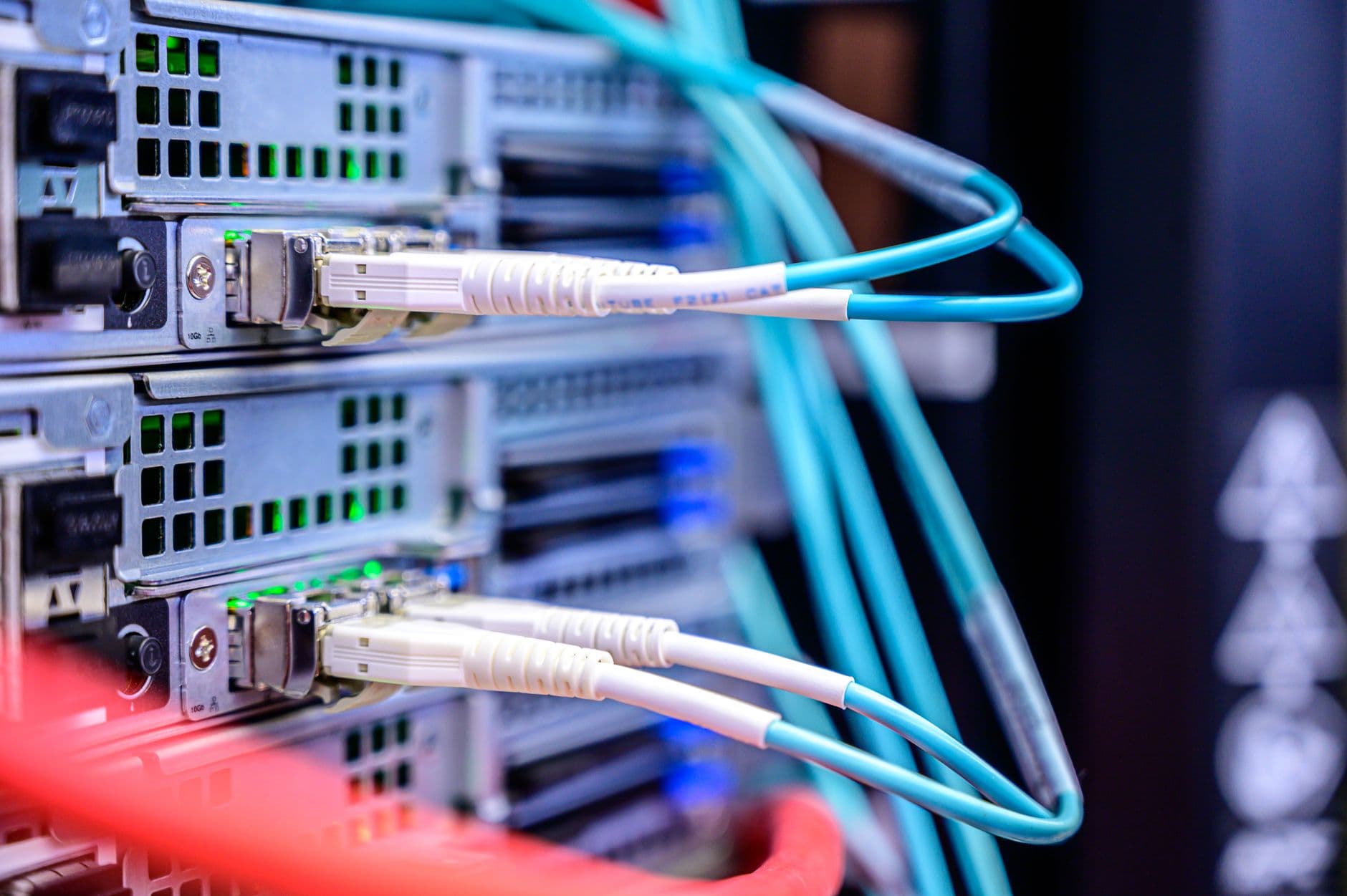
France has reached 94.9% fiber coverage, and I am personally offended on behalf of every other country on earth. This wasn't supposed to happen. France is the country where you need to fill out three forms in triplicate just to buy a croissant on a Tuesday, yet somehow they’ve managed to run glass cables into literally every crevice of their hexagonal territory. They’ve built a 'Fiber Fortress' while their neighbors are still flirting with copper wires that were probably installed during the reign of Charlemagne.
Imagine a world where a goat herder in the Pyrenees has a more stable connection for his 4K Minecraft stream than a software engineer in downtown Berlin. That is the current reality. France decided that high-speed internet was a human right, right up there with complaining about the government and taking two-hour lunch breaks. They didn't just 'invest' in infrastructure; they went on a national crusade to ensure that no citizen, no matter how remote or smellily-cheesed, would ever see a buffering wheel again.
Germany, meanwhile, is looking at its aging copper DSL lines with the same nostalgic affection one might have for a rotary phone or a plague. They are the economic engine of Europe, but that engine is currently connected to the wall via a damp piece of string and some wishful thinking. The digital divide isn't just a gap anymore; it's a structural chasm where France is playing 5D chess at 2 gigabits per second while everyone else is playing Minesweeper on a dial-up modem.
Sovereignty Is a 10-Gig Port
This isn't just about being able to watch Netflix in the bathtub without it stuttering. France is positioning itself as a 'sovereignty hub,' which is a fancy geopolitical way of saying they want to own everyone’s data and be the only place where remote work actually functions. When you have 95% fiber coverage, you aren't just a country; you’re a giant, high-speed server farm with better wine. They are essentially telling the world’s tech talent, "Hey, come live in a village that smells like lavender and has fiber-to-the-home (FTTH) speeds that will make your eyeballs melt."
Photo by Lauri Poldre on Pexels
There is a specific kind of geopolitical flex that comes with knowing your national infrastructure is future-proof. While other nations are debating the costs of digging up sidewalks, France just kept digging until the job was done. By 2026, they’ve created a situation where localized data processing isn't a dream—it's the baseline. If you're a startup, do you want to build your headquarters in a place where the internet cuts out if someone uses a microwave, or in the land of the Fiber Fortress?
It’s a masterstroke of state-led aggression. They didn't wait for the 'free market' to decide that a hamlet of twelve people deserved high-speed internet. They just sent in the technicians. It turns out that when the state decides to stop being a collection of confusing departments and starts acting like a highly motivated cable guy, things actually get done. This is the new European reality: France is the cool kid with the fiber-optic fiber, and the rest of the continent is asking if they can borrow the Wi-Fi password.
The German Buffer Wheel of Doom
Let’s talk about the German situation because it is objectively hilarious. Germany is the land of precision engineering, the Porsche, and the world’s most complicated trash-sorting systems. Yet, their internet is often held together by rust and the ghost of a telegram operator. The competitive disparity is becoming a comedy of errors. A French company can process a terabyte of data in the time it takes a German bureaucrat to find a working fax machine—and yes, they still use fax machines in Germany. It’s like watching a race between a Formula 1 car and a very determined tortoise carrying a heavy backpack.
This isn't just a minor inconvenience for German businesses; it's a slow-motion economic disaster. When you're tethered to copper, you're tethered to the past. You can't run AI clusters, you can't do seamless remote collaboration, and you certainly can't compete with a neighbor that has basically turned its entire geography into a giant motherboard. The 'Digital Divide' used to refer to developing nations; now it refers to the border between Strasbourg and Kehl.
- France: 94.9% FTTH coverage.
- Germany: Still debating if 'the internet' is a passing fad.
- Result: France is the new Silicon Valley, but with better bread and less hustle culture.
What This Actually Means
France has effectively won the first round of the 21st-century infrastructure wars by realizing that fiber optics are the new railroads. By 2026, they will have a unified digital landscape that allows for a level of economic agility that their neighbors simply cannot match. It’s not just about speed; it’s about the fact that they have eliminated the 'digital desert' entirely. They’ve made themselves the most attractive place in Europe for anyone who needs to move bits and bytes, which, as it turns out, is everyone.
The real punchline is that this was achieved through the kind of centralized, top-down planning that economists usually warn will lead to ruin. Instead, it led to a situation where you can get a 2-gigabit connection in a town that doesn't even have a grocery store. France has proven that if you throw enough state willpower (and money) at a problem, you can actually build something that works. They are now the 'sovereignty hub' of Europe, and everyone else is just staring at a loading bar.
In the end, the 'Fiber Fortress' is a warning to the rest of the world: get your glass in the ground or get left behind. France is ready for the future, and they’re going to spend it laughing at us in high-definition 8K resolution while we’re still trying to get our Zoom calls to stop freezing.
Quick Answers
Is France really that much faster than Germany?
Yes, it’s like comparing a teleportation device to a horse-drawn carriage that has a flat tire and is also on fire.
Why did France succeed where others failed?
They treated fiber like a public utility—like water or electricity—rather than waiting for private companies to feel like doing their jobs.
What happens to the 5.1% of France without fiber?
They are probably living in a cave or a very haunted cathedral, and honestly, they’re probably happier not knowing what’s happening on Twitter.


